- Dragging Honey to Trash doesn't fully remove it. Even after deleting the app and browser extension, Honey leaves behind library files, caches, and preferences that need to be manually cleared from your Mac's Library folder.
- The removal steps vary by browser. Safari, Chrome, and Firefox each have a different process — all covered step by step in this guide.
- Honey's affiliate scandal is still unfolding. PayPal acknowledged the problematic affiliate code in January 2026 and disabled it. If privacy is your concern, a full removal — extension, app, and library files — is the safest route.
- CleanMyMac removes Honey leftovers automatically. Instead of hunting through the Library folder manually, CleanMyMac's Protection and Uninstaller features handle extension cleanup and malware scanning in one step.
- Honey leaves files behind even after you delete them. CleanMyMac finds and removes them for you. Try CleanMyMac free for 7 days — cancel before Day 7 — $0 charged.
To delete Honey on Mac, you need to remove it from your browser extension and delete it from the Applications folder.
Still, you may wonder what the crux of the problem is. Why can’t you simply drag and drop the Honey app to the Trash? Although the main Honey app may be deleted when you drag it to the Trash bin, many files and folders that are related to Honey remain on your computer.
No matter your reason for uninstalling, I’ll show you how to completely uninstall Honey on a Mac.
Orget CleanMyMac standalone via Marketplace — from $65.40/yr, no membership needed.
How to completely uninstall Honey on Mac
The steps vary by browser, so follow them to completely remove Honey from your Mac.
Remove Honey from Safari
To uninstall Honey for Safari:
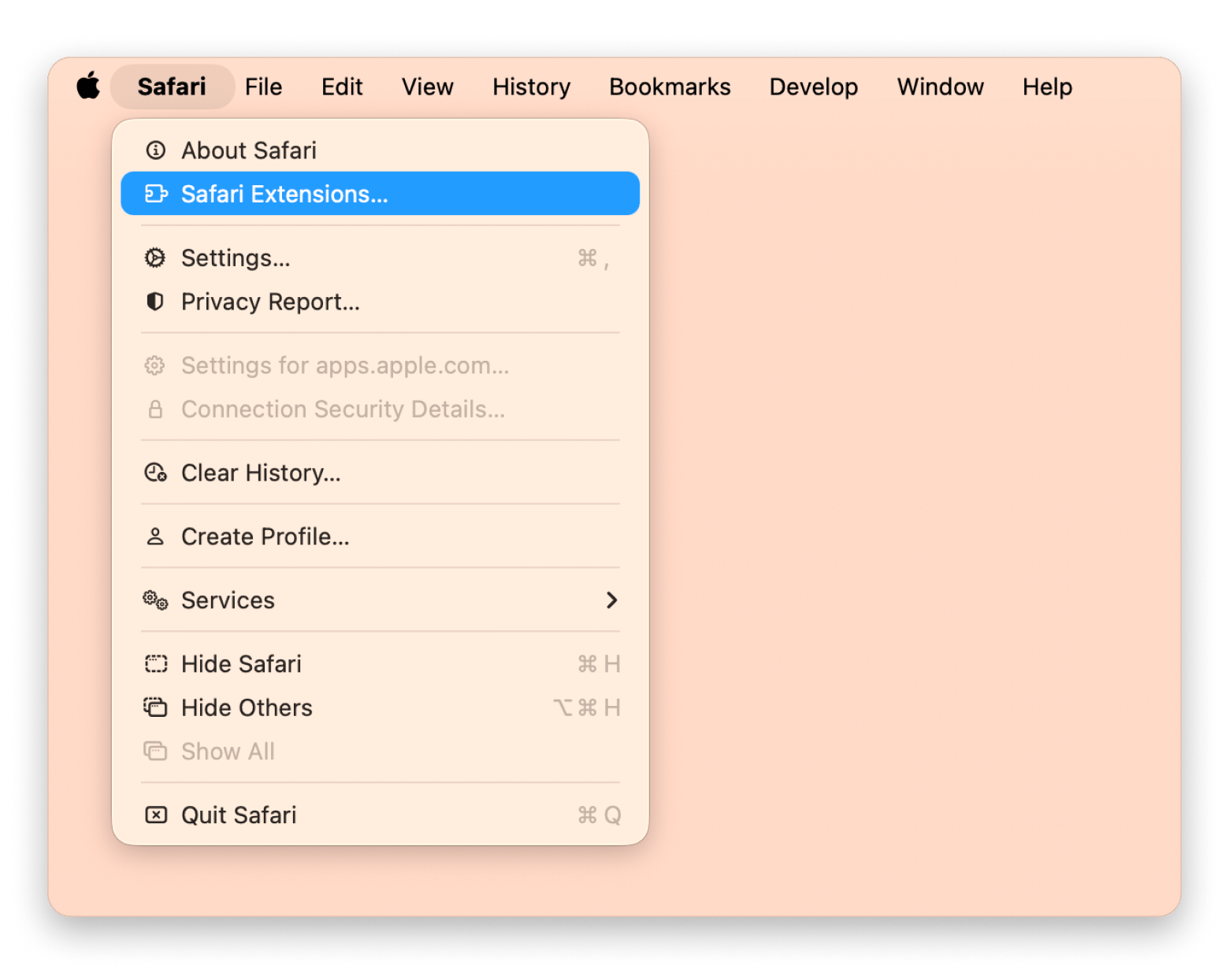
- Open Safari and click Safari in the top menu bar > Safari Extensions.
- Deselect Honey in the left sidebar.
- If you want to remove it completely, click the extension name, then click Uninstall.
- Finally, in Finder, click Go > Applications. Locate the Honey app and move it to Trash.
Sometimes it’s impossible to move Honey to Trash. This is because it’s still functioning. In this case, right-click the Honey app in the Dock and choose Quit to close it (or use Option + Command + Esc). Move the app to Trash again.
If the Honey extension is not the only thing you want to remove from the browser, check out the guide on how to get rid of Frequently Visited on Safari.
Remove Honey from Chrome
Here’s how to uninstall Honey from Chrome:
- Open the Chrome browser, click the three dots in the top right corner, and click > Extensions.
- Choose Manage Extensions.
- Find the Honey extension on the Extensions administration page and click Remove to uninstall it.
If you want information on how extensions work, check Google’s Chrome extension removal instructions for more info.
Remove Honey from Firefox
Follow the steps below to remove Honey from Firefox:
- Click the menu button (≡) in Firefox and select Add-ons & themes.
- Go to the Extensions tab.
- Find Honey in the list.
- Click Remove next to Honey and confirm.
The Honey extension has now been successfully removed from Firefox. For reference, check Mozilla’s add-on management guide.
Read also:
How to remove Honey library files, caches, and preferences
As I’ve already mentioned, you may still have Honey-related files on your Mac even after removing the browser extension and app. These include library files, caches, and preferences. To remove them, you must go to the Library folder to clear these files manually.
To do so:
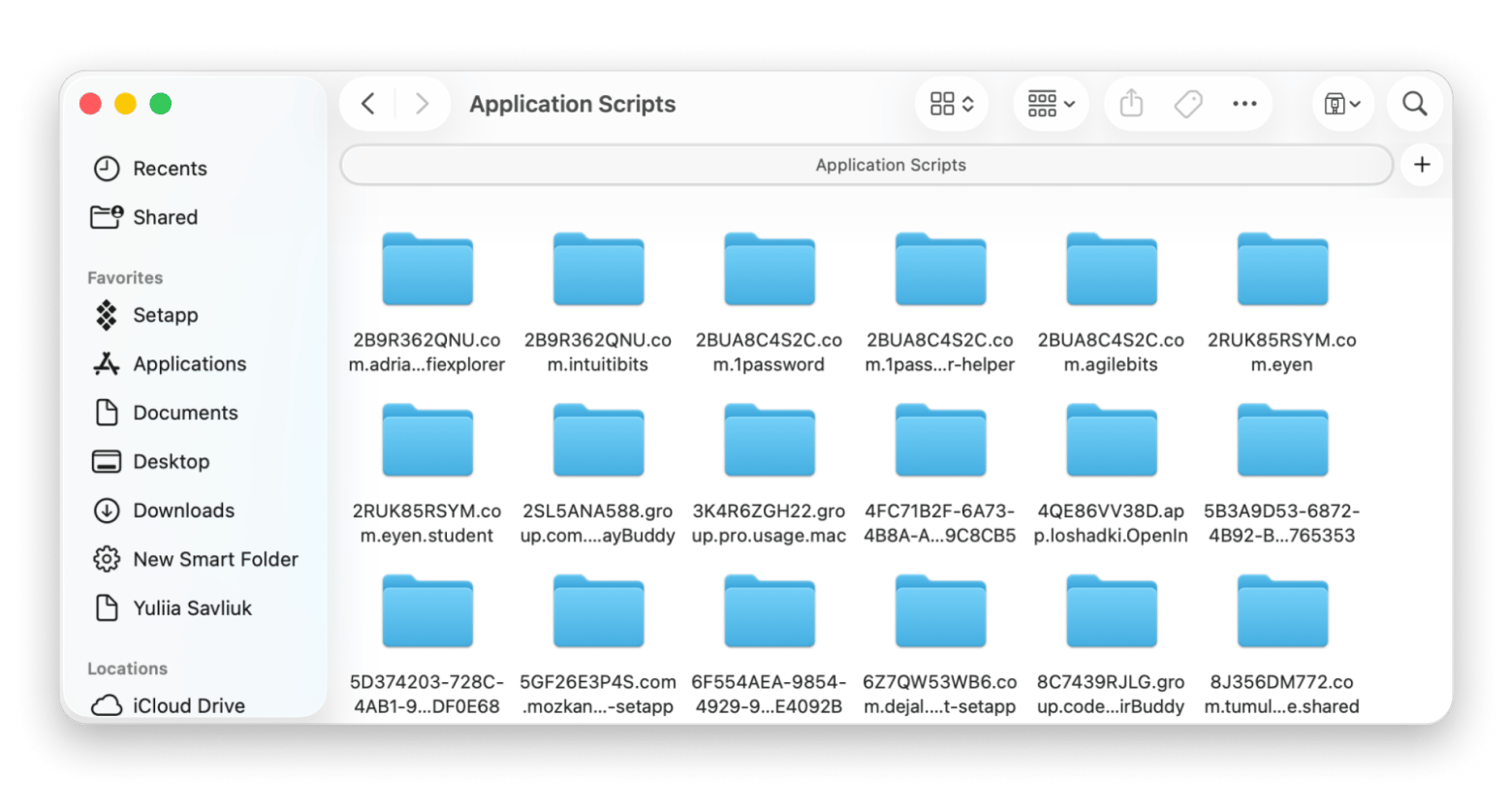
- Open Finder > In Finder, click Go > Go to Folder.
- After that, type ~/Library/ in the Go to Folder box and press the Return button.
- To remove the Honey scripts, open the Application Scripts folder in the Library folder.
- Additionally, look in the Application Support folder. Here you’ll see the Honey support folder. Remove it
- Delete the caches of Honey in the Caches folder and the Honey plist (named like com.joinhoney.*.plist) in the Preferences folder as well.
- Don’t forget to empty your Trash to permanently delete Honey and all of its library files, caches, and preferences.
After removing Honey, it's a good moment to review your apps too. The Productivity Tools assistant helped me identify which ones were genuinely useful and which were just taking up space.
Check for malware with CleanMyMac (no manual digging)
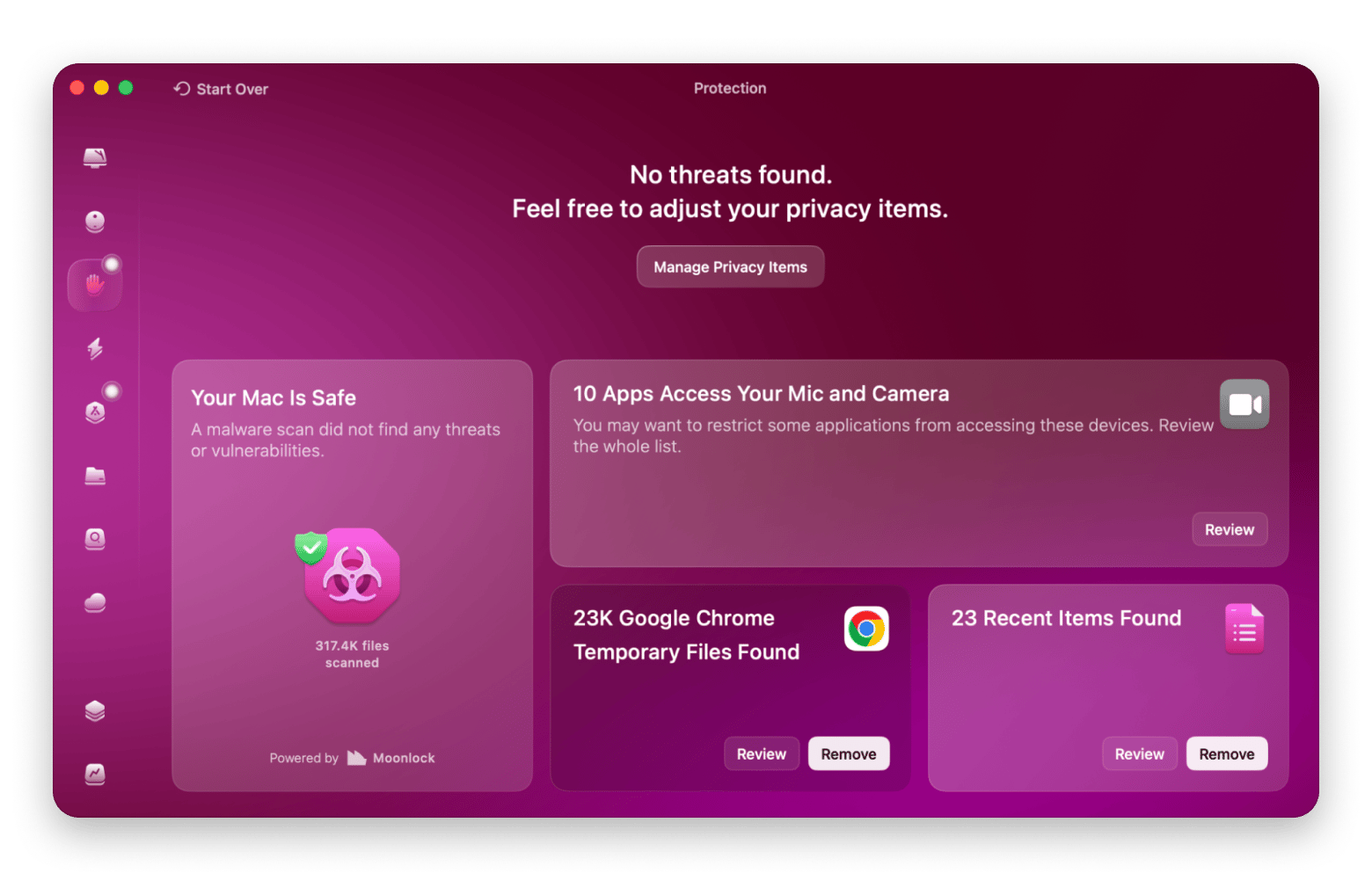
Since extensions may cause malware leaks, I recommend running CleanMyMac on your Mac. The Protection feature can quickly detect any malicious files interfering with your device. And you don’t need to do this manually; the tool does all the hard work of scanning all your Mac’s files and folders. All you need to do is review and remove. That's it — no manual digging required.
How to unsubscribe from Honey
If you want to stop Honey emails or cancel your subscription, follow these steps to cancel your Honey subscription on your Mac:
- Click on your name at the bottom of the sidebar after opening the Mac App Store.
- When prompted, sign in by clicking the View Information option at the top of the window.
- When you reach the Subscriptions tab on the following page that appears, scroll down and choose Manage.
- After clicking Edit next to the Honey app, choose Cancel Subscription.
Tip: If you want to unsubscribe from Honey’s marketing emails, open any Honey email and click the Unsubscribe link at the bottom. And if you need to fully delete your Honey account, visit Honey’s account deletion page for instructions.
Is Honey safe?
Although Honey is a legit tool, you need to keep in mind that it will track searches in your browser so they can propose coupons. That may be the main reason not to install Honey. Honey remains available, but its practices have been publicly questioned and partially acknowledged by PayPal.
However, users love Honey because it does two good things at the same time: in addition to tracking prices, the extension also shows discount coupons. You simply go to Amazon or another supported marketplace and click the Honey icon in the extensions area. A drop-down list will display all currently valid promo codes. Basically, using Honey means saving money.
Honey’s privacy policy explains exactly what data is collected and how it’s used.
The Honey scandal
However, in late 2024, a controversy erupted after a viral YouTube video from creator MegaLag. They revealed that Honey was inserting its own affiliate link even when it hadn't found any useful coupon code, meaning users got nothing in return.
And it also replaced existing affiliate links, so if a YouTuber recommended a product and a fan clicked their link, Honey would quietly swap it out and take the affiliate credit instead, stealing revenue from creators.
As a direct result of the scandal, Google updated its Chrome extension policies in March 2025 to prohibit exactly what Honey was doing.
By the end of 2025, Honey had lost approximately 8 million Chrome users from its peak. On January 12, 2026, PayPal acknowledged the affiliate code issue and announced it had been disabled, and Rakuten Advertising removed Honey from its affiliate network the same day.
How to make sure Honey is completely gone from your Mac
You can easily download and set up the Honey extension in Safari or any other browser via the App Store. However, it wouldn’t be that easy to completely delete Honey from your Mac. You may still have Honey-related files on your Mac even after removing the browser extension and app.
In order for your Mac to be completely safe even after Honey removal, I recommend that you use CleanMyMac. Honey gone — but is your Mac actually clean? CleanMyMac will tell you for certain. Protection scan, extension cleanup, and leftover file removal — all in one tool. Rated 97% by 17,000+ users. Free for 7 days on Setapp. Try CleanMyMac Free. Or get CleanMyMac via Marketplace — from $65.40/yr, no membership needed.
FAQ
How do I deactivate Honey on Safari without uninstalling it?
Open and click Safari in the menu bar, and go to Safari Extensions. Deselect Honey to disable it without removing it. To remove completely, click on the Honey extension in the settings menu > Uninstall.
Will removing the Honey extension delete my Honey account?
No, removing the Honey extension from your browser does not delete your Honey account. To fully delete your account (and all associated data), visit Honey’s account deletion page.
Is Honey safe?
Yes. Honey is owned by PayPal and is generally considered safe to use, but it does collect some browsing data to suggest coupons. As a solution, use CleanMyMac > Protection feature to scan your Mac for malware. For details, see the Honey privacy policy.
How do I cancel my Honey subscription or emails?
To cancel a Honey subscription purchased through the App Store, manage your subscriptions in the App Store account settings as described above. To unsubscribe from Honey’s emails, click the Unsubscribe link at the bottom of any Honey email. Deleting your browser extension does not automatically cancel your account. Visit Honey’s help page for full account removal.






 Best solution
 Best solution