Making a PDF non-editable on Mac is straightforward. You can use macOS's built-in read-only setting via Finder, add password protection, apply certificate-based security, or flatten the document — each method offers a different level of protection depending on your needs.
Read-only permissions are the quickest option but easiest to bypass. Changing file permissions in Finder takes seconds, but anyone with admin access can reverse it — best for casual local sharing, not sensitive files.
Password protection with Adobe Acrobat or Nitro PDF Pro offers stronger security. You can restrict editing, copying, and printing while still letting anyone open the file, or require a password to view it at all.
Flattening converts interactive fields into static content permanently. This is ideal for forms — once flattened, fields can't be filled or edited, and the change is irreversible.
To lock down a PDF, use read-only permissions, add password protection, apply third-party certificate security tools, or flatten documents to prevent unauthorized editing and copying.
This way you’ll protect your content from unauthorized changes, whether you're sharing a contract, distributing a report, or sending out official documents.
Here's a summary of the main approaches to lock your PDFs, with their key differences and best use cases:
Method
Security level
Best for
Reversible?
macOS Read-Only
Basic
Quick protection for local files
Yes, easily
Password Protection
Medium-High
Sensitive documents, contracts
Only with password
Certificate Security
Highest
Corporate documents, legal files
Only with certificate
Flattening PDF
Medium
Forms, preventing field edits
No
How does protecting your PDFs work?
You can add one or more levels of protection to a PDF to prevent anyone from copying, altering, or misusing the information it contains.
Here are the main ways to make a PDF non-editable:
Convert to read-only. This way, viewers can open and read the document, but they can't make changes. This works great for promotional materials where you want public distribution without alterations.
Protect with a password. You can require a password to view the file, limit copying or printing, or designate specific areas as protected while leaving others editable.
Use third-party certificate security tools. This method uses public key encryption to verify the document creator's identity and restrict access to specific recipients. Always verify third-party security certificates come from trusted sources.
Before you lock a PDF, you may want to make final edits first — here's how to edit a PDF on Mac using both free and paid tools.
How to convert a PDF to read-only on Mac
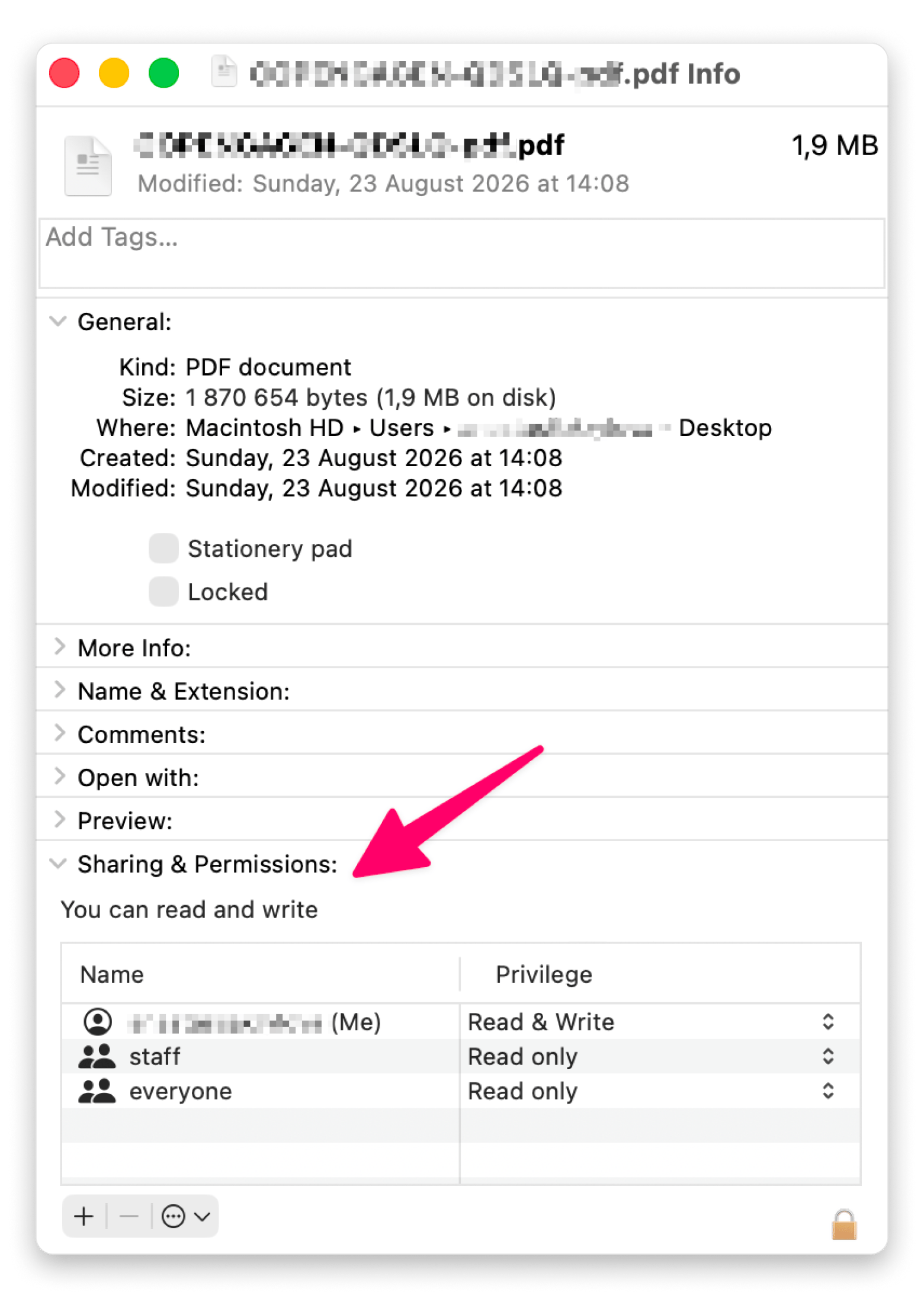
The simplest way to make a PDF read-only on Mac is through Finder.
Here’s how to do that:
1. Right-click your PDF file in Finder.
2. Choose Get Info from the context menu.
3. Expand the Sharing & Permissions section at the bottom.
4. Click the lock icon in the bottom-right corner > Enter your Mac password to make changes.
5. Change your user privilege from Read & Write to Read only.
6. Click the lock icon again to save changes.
Keep in mind that macOS permissions can be reversed by anyone with admin access to the file. For stronger protection, use password-based methods.
How to set password protection with Adobe Acrobat
You can set password protection to open the document or to restrict printing, editing, and copying.
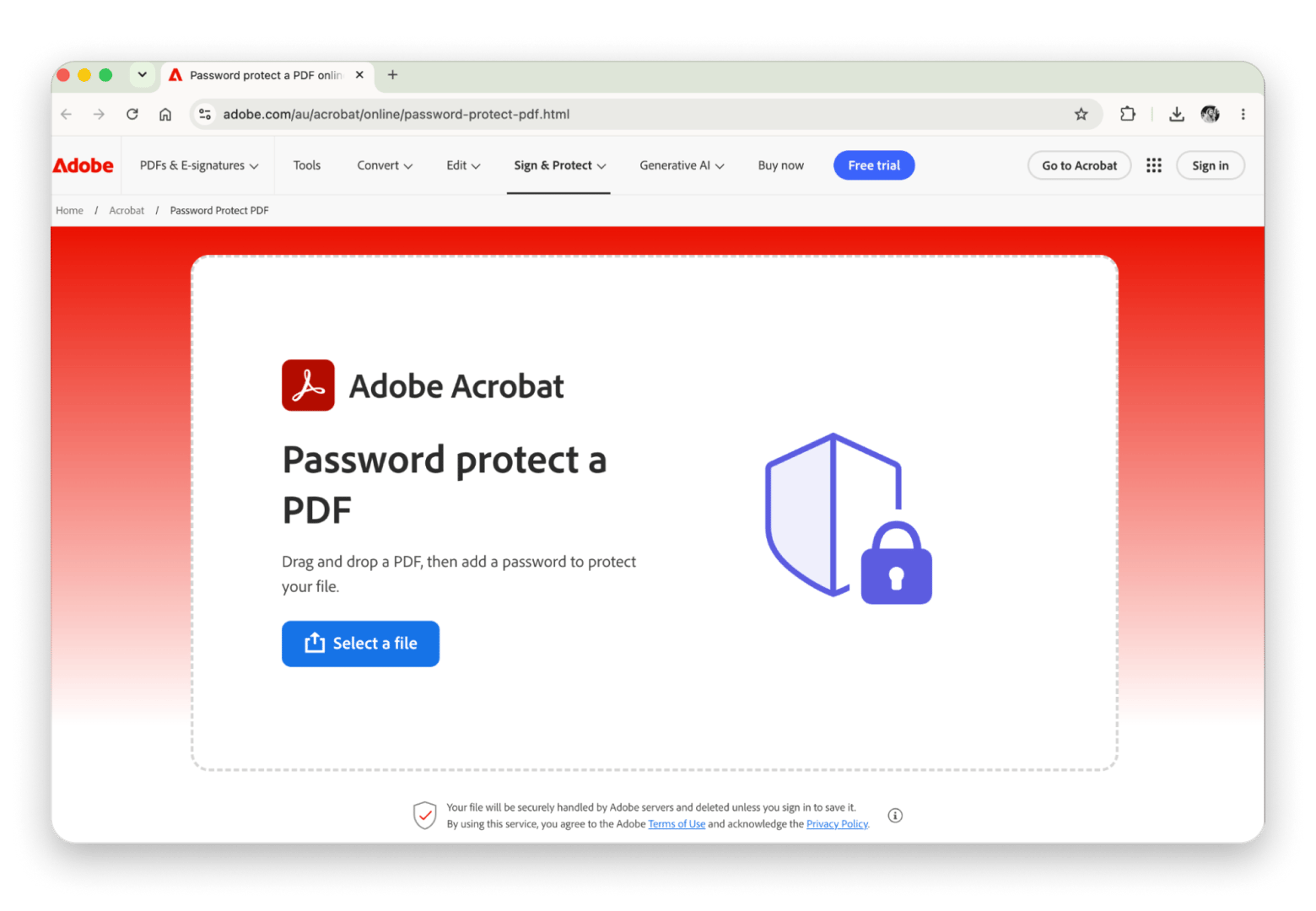
To set a password for opening a PDF file, you can use the Adobe online password protection tool. Upload the document > Set password > Download the password-protected file. After that, you’ll need to enter the password to open the document.
To restrict printing, editing, and copying, you will need to use the Adobe Acrobat app. Install it from the official website. When you open the file you need to protect, go to All Tools > Protect a PDF > Choose Encrypt with Password > Set the necessary settings in the Permissions section. From there, you can choose printing permissions, which changes you allow, and enable or disable copying the content of the document. Finally, save the changes by clicking OK in the bottom-right corner.
Remember that a strong password includes numbers, special characters, and a mix of upper - and lowercase letters.
Adobe Acrobat supports AES-256-bit encryption — the current industry standard for securing PDF documents. For a full overview of how password protection works in Acrobat, see Adobe's password security documentation.
How to protect a PDF with Nitro PDF Pro
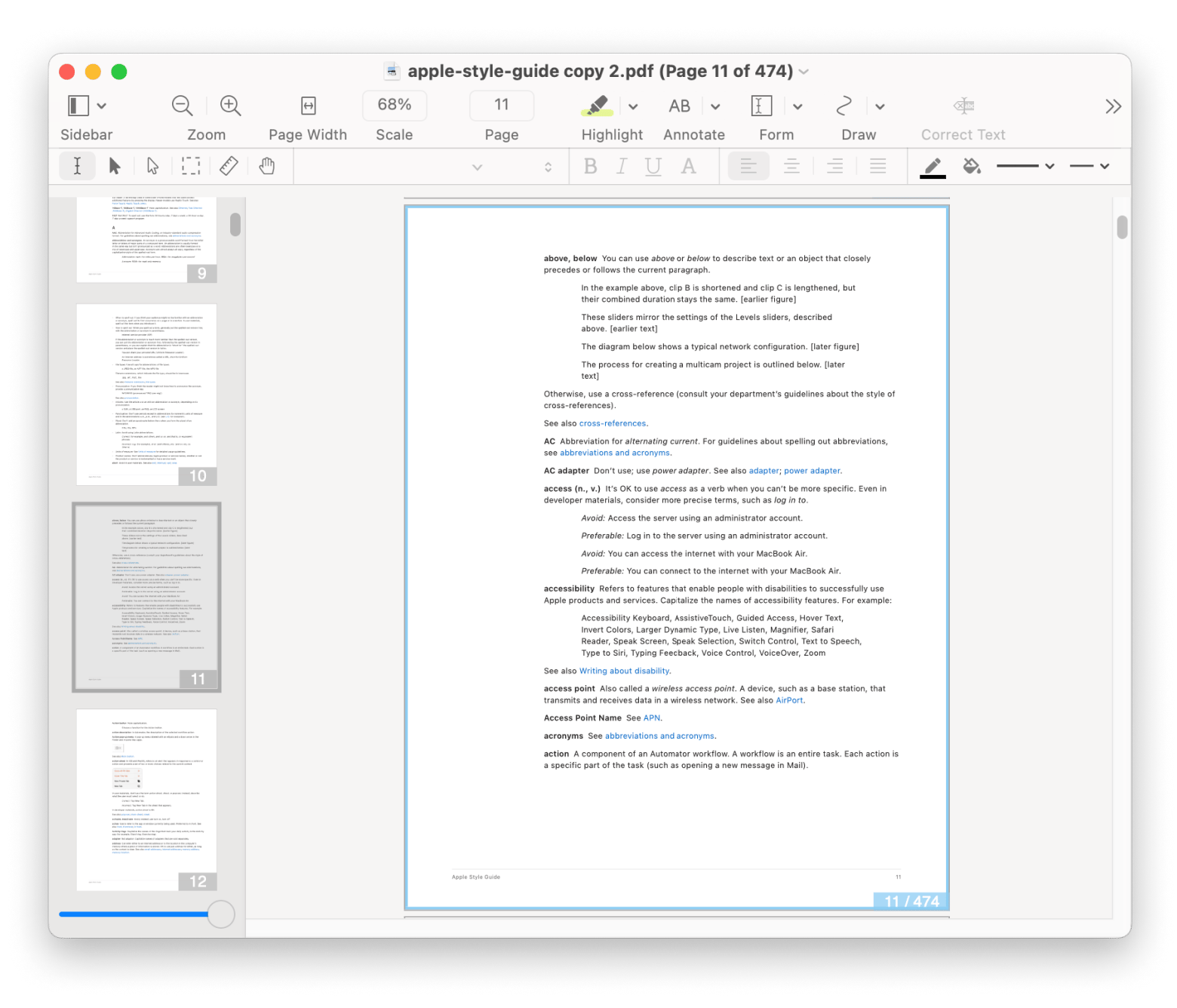
If you’re looking for an alternative to Adobe, there's a tool worth knowing about. Nitro PDF Pro covers everything you'd need for PDF work — creating, editing, annotating, merging, converting, and protecting documents. What I particularly like is how much control it gives you over permissions. You can define exactly who can view or modify a file, and sign or validate signatures digitally to speed up approvals.
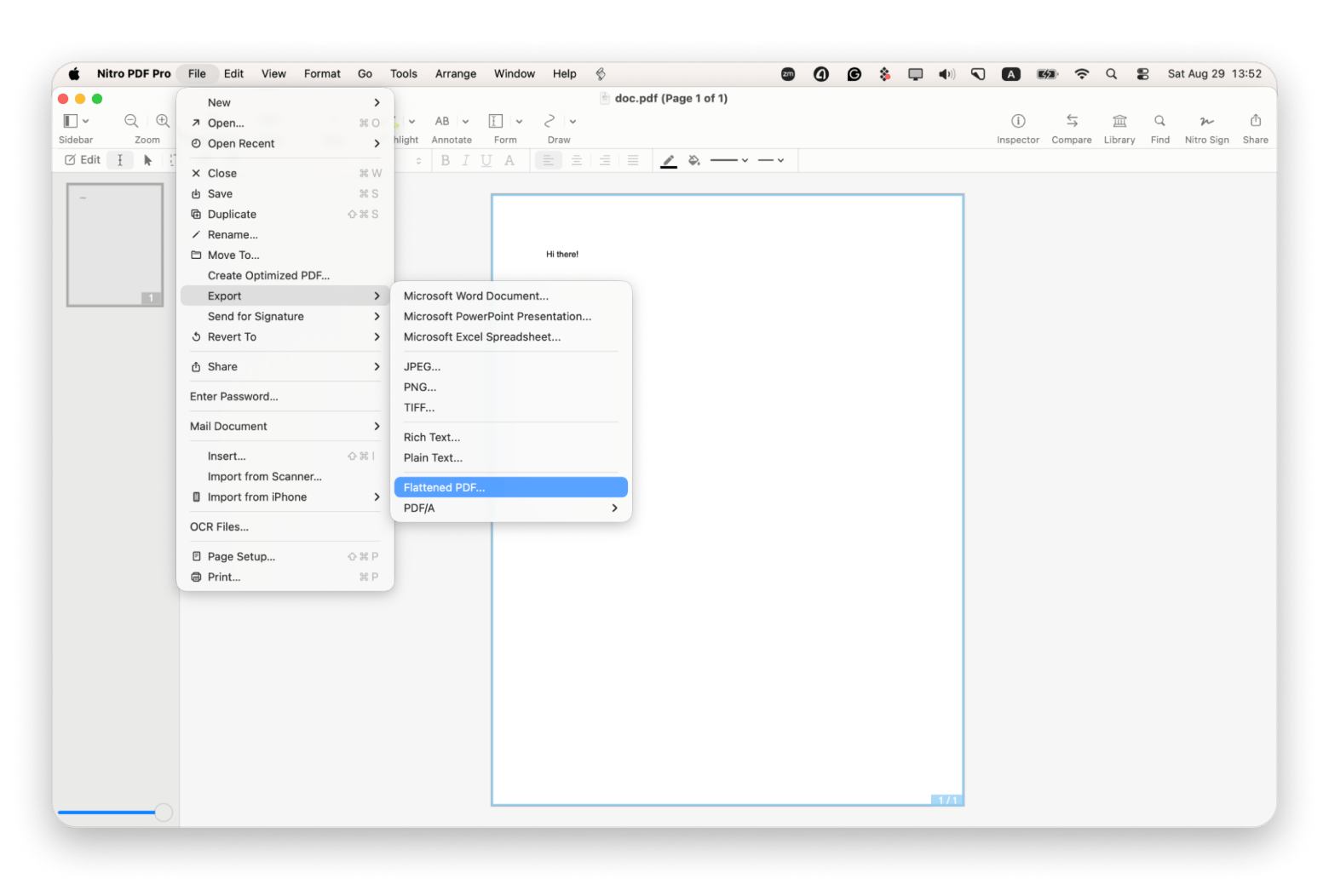
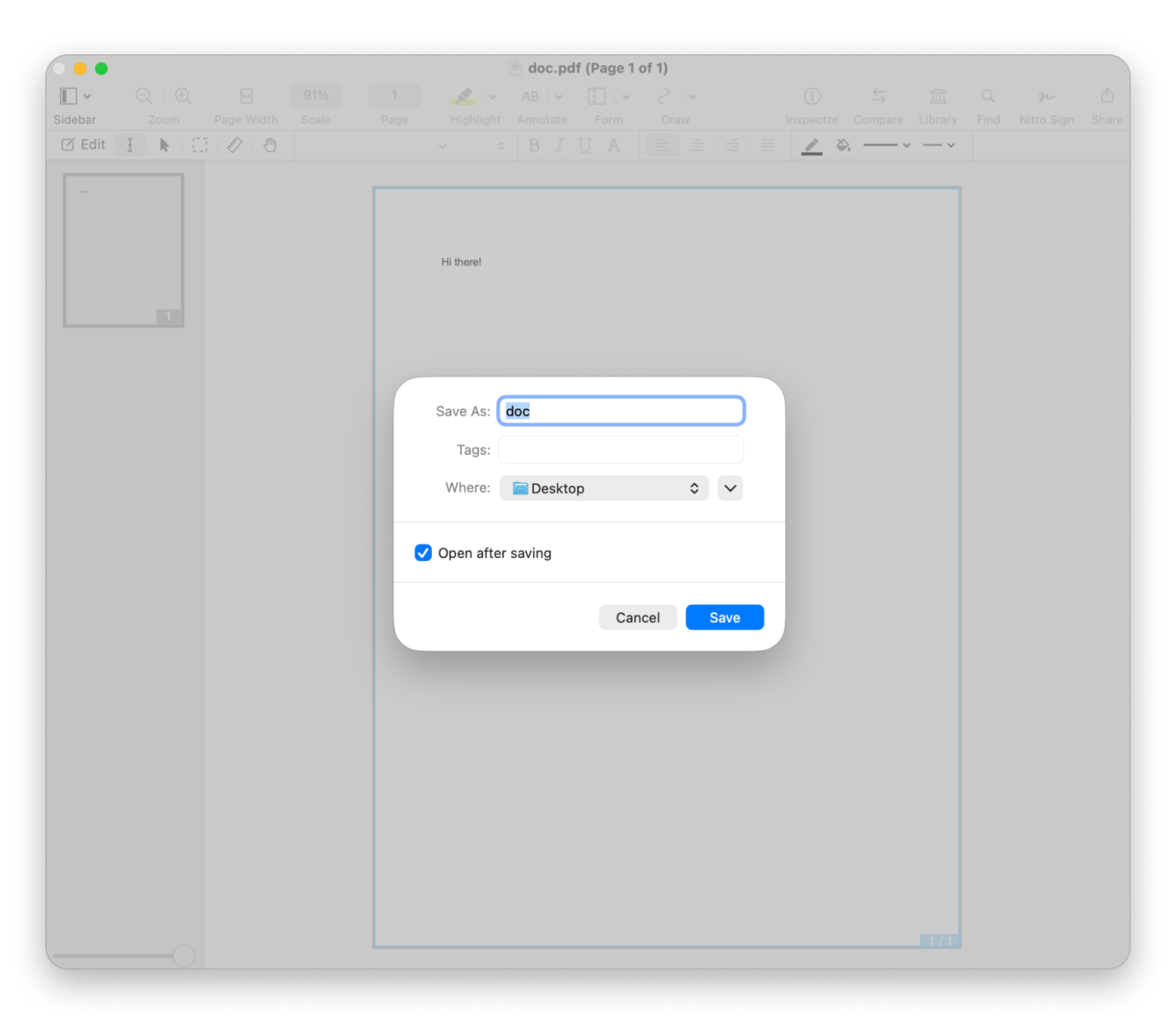
Here's how to make a non-editable PDF with Nitro PDF Pro:
Unlike password protection, flattening is permanent. There's no password to remove and no way to restore the original fields.
Protect any PDF on Mac with the right tool
Protecting your PDFs doesn't have to be complicated. For quick, no-fuss protection, macOS's read-only setting in Finder gets the job done in seconds. For documents that really matter, like contracts, legal files, and sensitive reports, password encryption in Adobe Acrobat or Nitro PDF Pro gives you control over who can view, edit, copy, or print your file. And if you're working with forms, flattening is the cleanest way to lock everything in place permanently.
The quickest way is using Finder's Get Info option to set the file as read-only. For stronger protection, use Adobe Acrobat or Nitro PDF Pro to add password encryption. Go to the protection or security settings, add a permissions password, and restrict editing capabilities.
Can I let people read my PDF but stop them from editing or copying it?
Yes, you can set view-only permissions with restricted editing. In Adobe Acrobat or Nitro PDF Pro, encrypt the document without requiring a password to open it. Add a permissions password that prevents editing and copying. This lets anyone view the content while protecting it from changes.
How do I remove editing restrictions from a PDF?
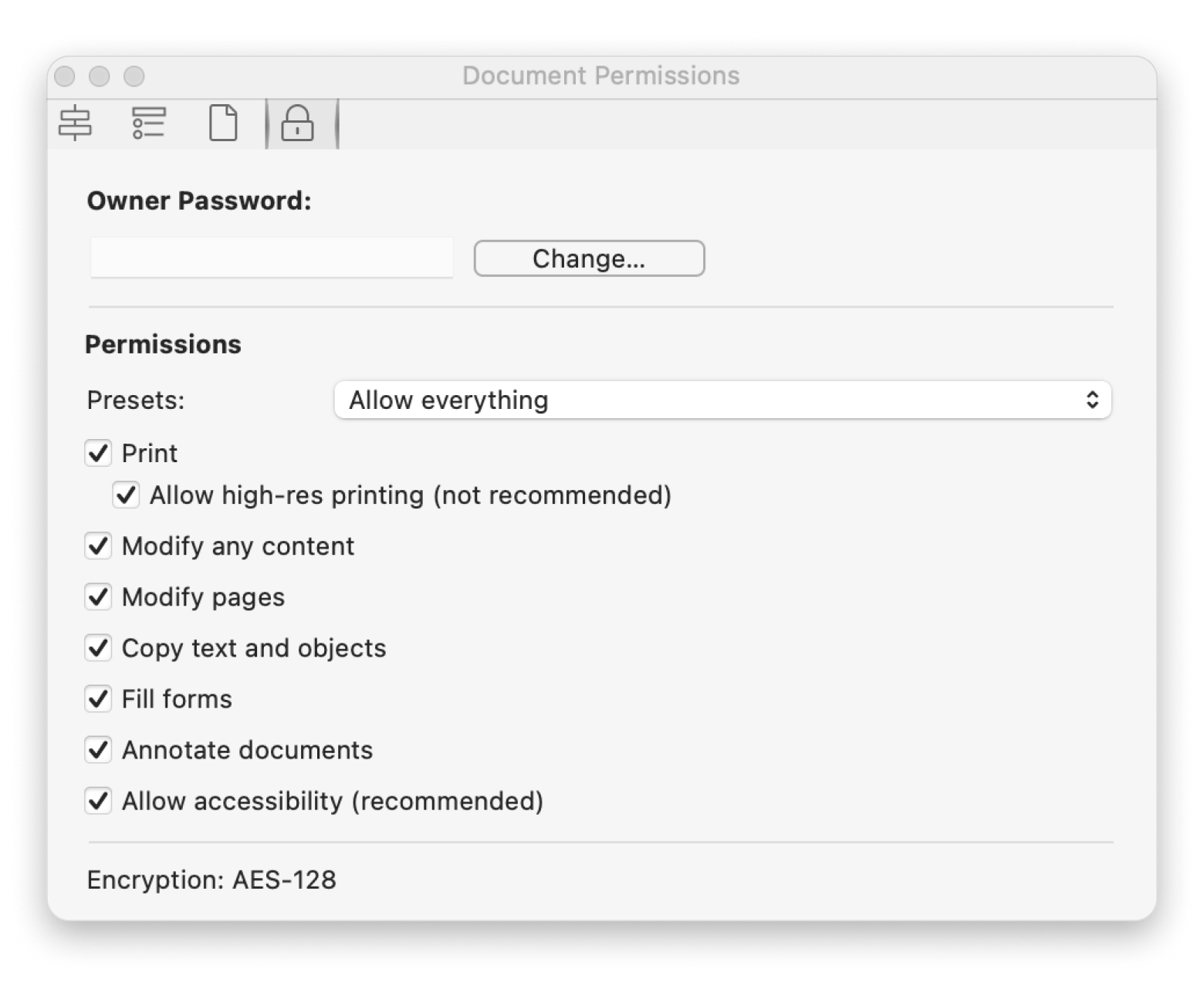
To remove restrictions, you'll need the permissions password. Open the PDF in Adobe Acrobat, go to File > Properties > Security, and choose No Security from the dropdown. Enter the permissions password when prompted. Without this password, you can't remove restrictions. In Nitro PDF Pro, go to Window > Document Permissions > Enter the password and change the settings.
What's the difference between read-only and password-protected PDFs?
Read-only PDFs use file system permissions that anyone with admin access can change. Password-protected PDFs use encryption that requires specific passwords to modify. Read-only offers basic protection for local files, while password protection provides stronger security that travels with the document.
Can I make a PDF non-editable without Adobe Acrobat?
Absolutely. Use Nitro PDF Pro for more advanced protection options. Nitro PDF Pro offers comprehensive permission controls similar to Adobe Acrobat.
Get PDF editor with OCR
Nitro PDF Pro lets you change anything about your PDF docs.






 Best solution
 Best solution