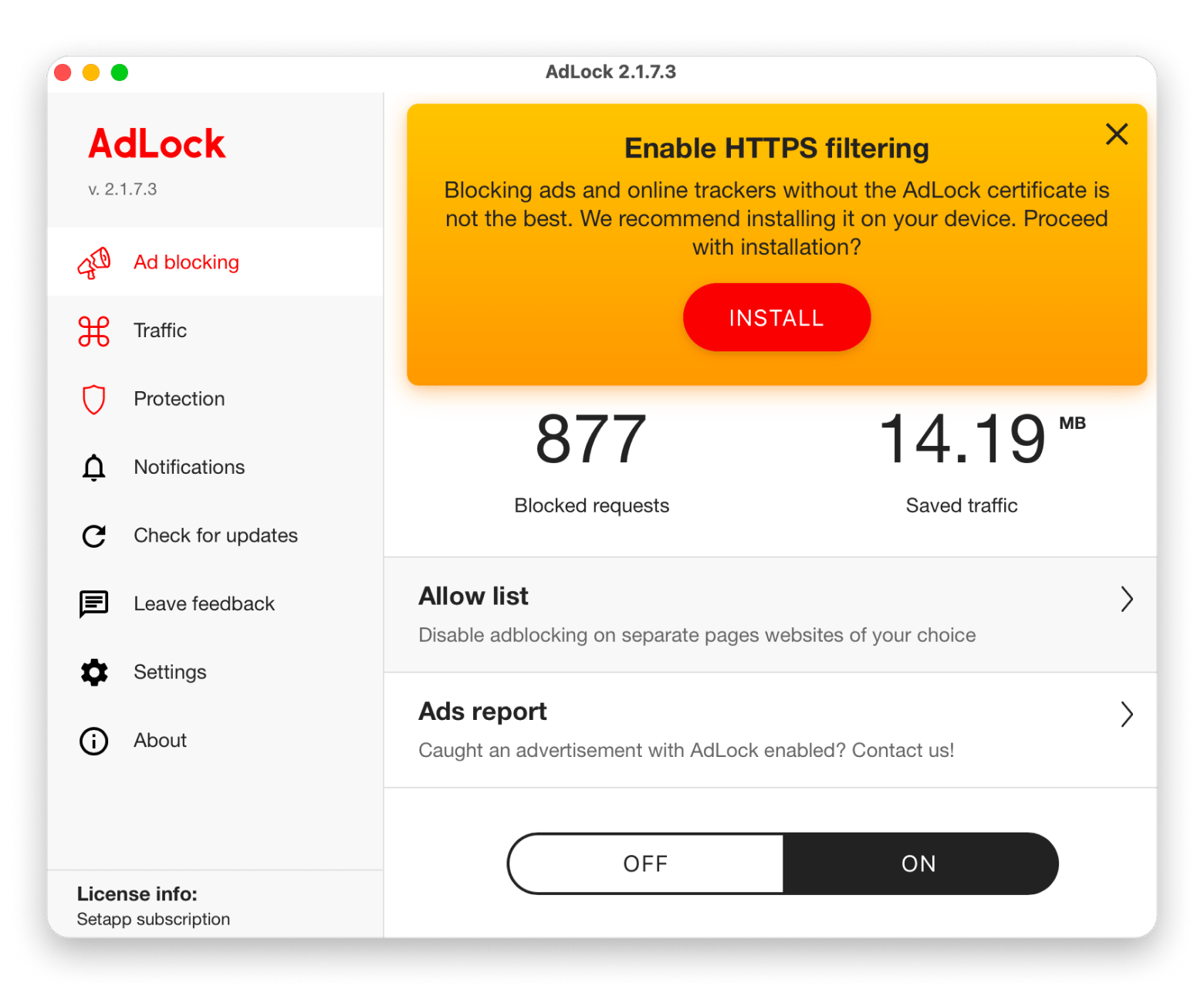
An undetectable ad blocker does more than remove banners. It also hides itself from anti-adblock scripts and stops trackers. AdLock is a solid option for macOS — it blocks ads system-wide, not just in the browser, and includes a Stealth Mode to bypass detection.
Websites detect ad blockers using JavaScript tests. Small scripts check whether ad elements load on the page. If your blocker removes them, the site triggers a "turn off your ad blocker" message. Enabling Stealth Mode in AdLock covers most of these cases.
Reader Mode and RSS feeds are reliable fallbacks. If a news site still blocks you, open the article in Reader Mode or add the site's RSS feed to a reader like News Explorer. Both methods strip ads without needing any workarounds.
Pairing an ad blocker with a VPN adds another layer of privacy. ClearVPN encrypts your traffic and includes ad-blocking shortcuts, which is useful when AdLock alone isn't enough.
AdLock, News Explorer, and ClearVPN are all on Setapp. Instead of paying for each tool separately, you can access all three through a single Setapp subscription and try them free for 7 days.
Disclaimer: This article is for informational purposes only. Always respect website terms and support content creators when possible.
Online ads distract from content, slow down pages, and track your personal information. That's why over 900 million devices now use ad blockers to cut out banners and stop trackers.
However, many websites detect ad blockers and block access to their content. This guide shows you how to use an undetectable ad blocker on macOS, bypass anti-adblock scripts, and keep your browsing smooth and private.
Use AdLock to bypass AdBlock detection
Some ad blockers go further than just removing ads — they also help you stay invisible to anti-adblock scripts.
AdLock is a leading example. It blocks ads, hides itself from most detection scripts, and stops many trackers. AdLock can also block the external scripts that trigger anti-adblock pop-ups, allowing you to browse without interruption.
Key features of AdLock:
Stealth Mode to bypass AdBlock detection
Blocks trackers and malicious scripts
Works system-wide on macOS, not just in the browser
You can try AdLock free for seven days through Setapp. For extra privacy, consider pairing it with ClearVPN, a macOS VPN application that encrypts your traffic and includes ad-blocking shortcuts. ClearVPN can also unlock Netflix catalogs from different countries worldwide.
Step-by-step: Set up an undetectable ad blocker on macOS
If a website still detects your ad blocker, try these additional workarounds:
Enable Reader Mode
In Safari, press Shift + Command + R to enter Reader Mode. This strips out ads and most scripts.
In Chrome or Firefox, click the Reader icon in the address bar (if available).
Disable JavaScript (site-specific)
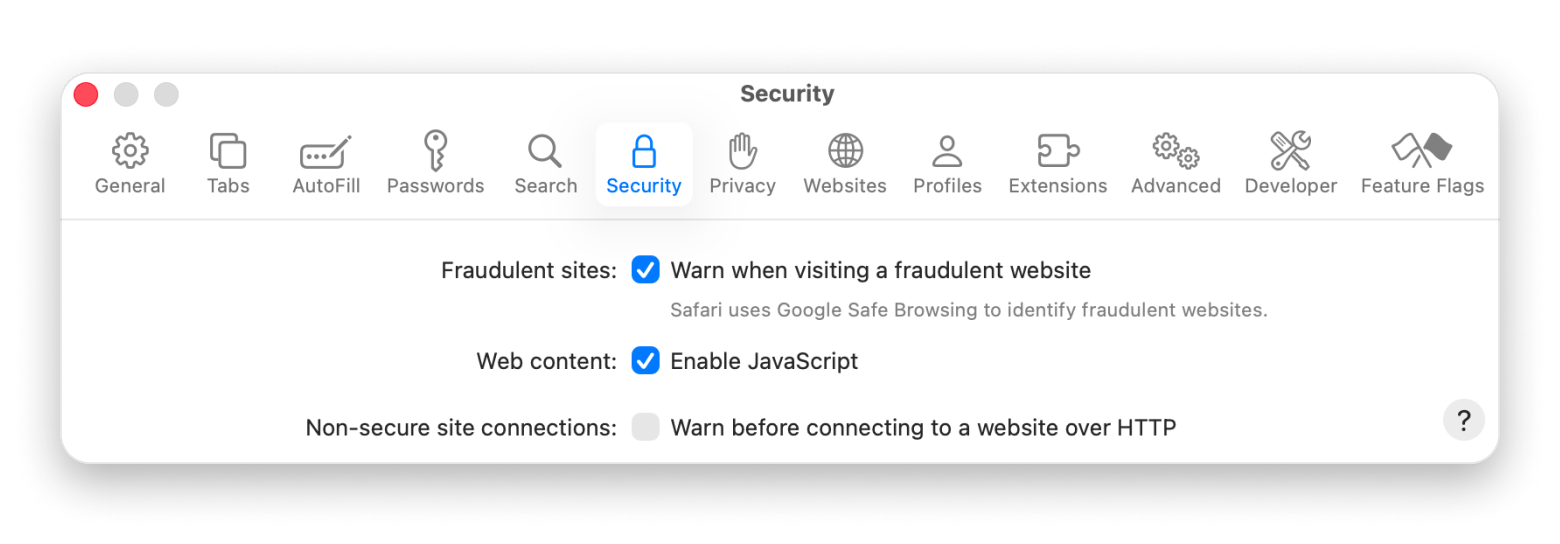
Safari: Go to Settings > Security, and deselect Enable JavaScript. Reload the page. (Remember to re-enable afterward.)
Firefox: Type about:config in the address bar, search for javascript.enabled, and set it to false.
Chrome: Settings > Privacy and security > Site Settings > JavaScript. Block JavaScript for the specific site.
Use Tampermonkey + Anti-Adblock Killer (for advanced users)
When prompted, add the filter list to your existing ad blocker.
Open cached versions of the page
Search for the site on Google.
Click the three-dot menu next to the result and choose Cached (if shown) to view an ad-free version. Otherwise, type cache: followed by the full URL directly into your browser's address bar (e.g., cache:https://example.com) and press Return.
Manual workaround (for technical users)
If you're comfortable with some technical steps, you can manually remove anti-adblock scripts from a website's code, though this requires some HTML knowledge and can be time-consuming. For most users, I'd recommend sticking with the automated solutions mentioned above.
Alternative methods: Avoiding ads on news websites
Anti-AdBlock notifications appear most often on news and media websites. These sites rely heavily on ad revenue to stay operational. If a news site blocks your ad blocker, you have two easy options:
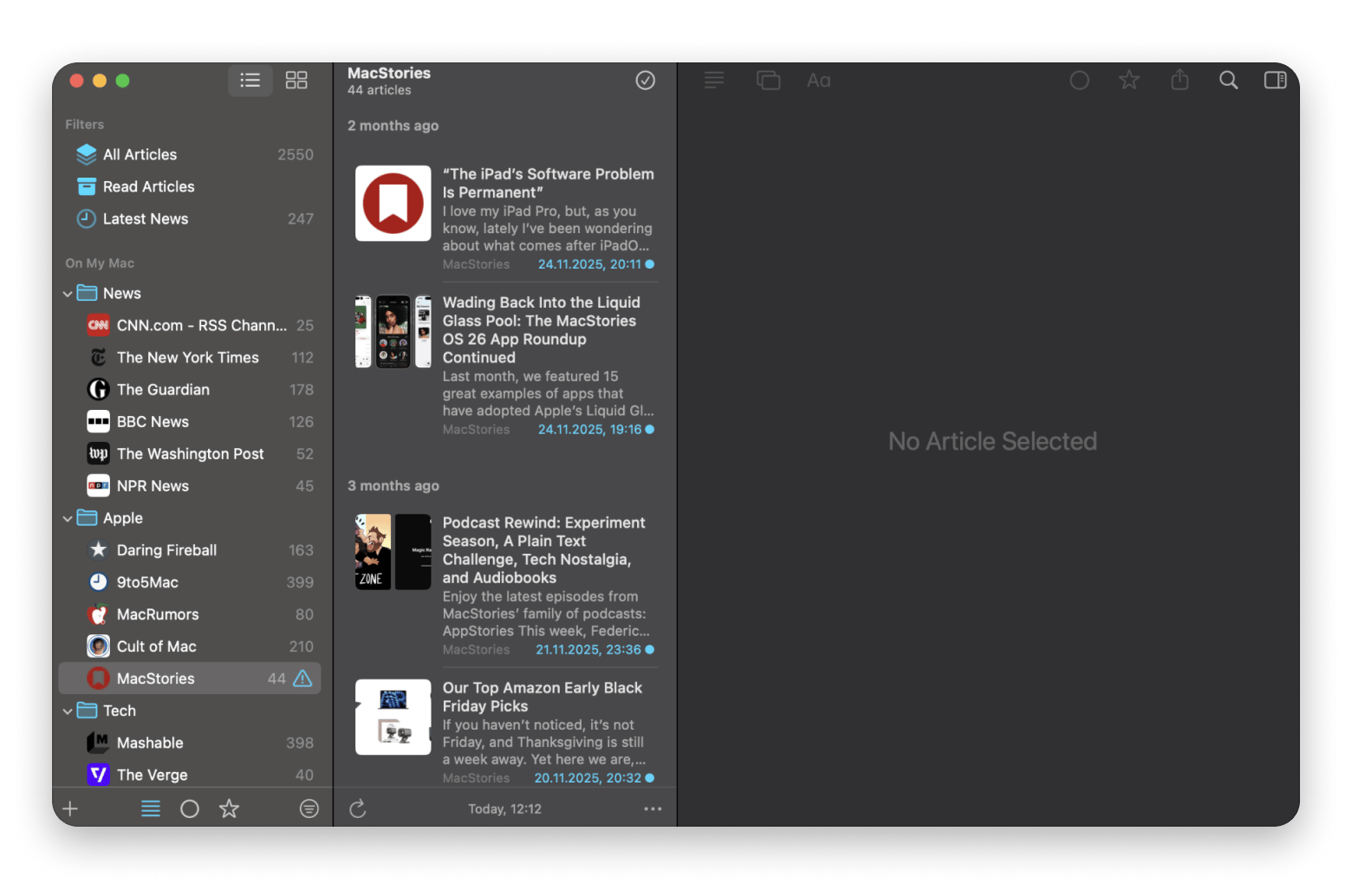
RSS feeds: Add the site’s RSS feed (Really Simple Syndication) to a reader like News Explorer and read the articles there with no ads and pop-ups. News Explorer is a robust RSS reader for Mac and iPhone, syncing through iCloud and supporting dark mode and social sharing.
Reader Mode: Open the story in Reader Mode so the browser shows only text and images.
How to choose an undetectable ad blocker
When picking an undetectable ad blocker for Mac, look for these criteria:
Stealth/Anti-detection features: Can it hide itself from anti-adblock scripts?
Tracker blocking: Does it stop tracking scripts, not just ads?
Ease of use: Is the interface friendly for non-technical users?
Regular updates: Does the developer keep filter lists and detection bypasses current?
Compatibility: Does it work with your browser (Safari, Chrome, Firefox) and on the latest macOS version?
AdLock checks all these boxes. Alternatives include uBlock Origin, AdGuard, and AdBlock Plus, but not all offer stealth features out of the box. For advanced users, combining Tampermonkey with Anti-Adblock Killer can help bypass detection in Chrome and Firefox.
Why websites detect ad blockers
Websites track extensive information about your browsing behavior, including:
Physical location: Your IP address reveals your geographic region
Browsing history: Cookies and trackers monitor which sites you've visited
Device information: Your browser reports your operating system, screen size, and hardware
Demographic data: Third-party scripts build profiles based on your online activity
Given this tracking capability, detecting ad blockers is straightforward for publishers.
How anti-adblock detection works:
JavaScript tests: Small scripts check whether ad elements load on the page
Third-party libraries: Services like BlockAdBlock and Adblock Notify monitor for missing ad scripts
Element detection: Sites scan for blocked banners, tracking pixels, or ad containers
Triggered alerts: When an ad blocker removes these elements, the site displays a "turn off your ad blocker" message
In short, websites look for what your ad blocker removes, and respond accordingly.
Stay private with an undetectable adblock on macOS
Using an undetectable ad blocker on macOS doesn't have to be complicated. With the right tools and a few simple workarounds, you can browse without interruptions, protect your privacy, and bypass anti-adblock scripts on most websites.
Here's what you need to remember:
AdLock is an effective, undetectable ad blocker for macOS with stealth features.
Pairing with a VPN like ClearVPN boosts privacy and can bypass regional blocks.
Reader Mode and RSS readers provide alternative ways to access content without ads.
Manual code edits are possible but best reserved for advanced users.
Supporting sites you value by whitelisting them is a balanced approach.
The good news is that AdLock, ClearVPN, and News Explorer are all available through Setapp, which gives you access to over 270 apps with a free 7-day trial. It's a convenient way to test out these tools and see what works best for your browsing needs.
FAQ
How can I stop websites from detecting my ad blocker?
Use AdLock and enable Stealth Mode to bypass detection. Update your filter lists and reload the page. If the site still blocks you, switch to Reader Mode, open an Incognito window, or disable JavaScript temporarily for that site.
Which undetectable ad blocker should you use?
I use AdLock because it blocks ads, hides itself from most detection scripts, and stops many trackers. You can try AdLock free for seven days through Setapp. Pair it with ClearVPN for an encrypted, ad-free connection on Mac and iPhone.
How do websites detect ad blockers?
Most sites run small JavaScript tests. If an ad script or banner is missing, the test triggers an alert and shows a “turn off your ad blocker” message. In short, they look for what your ad blocker removes.
How do I use an undetectable ad blocker?
Here’s the quick path I follow:
Turn on Stealth Mode in AdLock (or a similar feature in your blocker).
If a page still blocks you, switch to Reader Mode or disable JavaScript for that website.
As a last resort, open the cached copy in Google or whitelist the page for one visit.
These steps cover 99% of “ad blocker detected” pop-ups I meet.
How do I avoid ads on news websites?
If a news site blocks your ad blocker, you have two easy options:
Add the site’s RSS feed to a reader like News Explorer and read the articles there.
Open the story in Reader Mode so the browser shows only text and images.
Is using an ad blocker legal?
Yes. Blocking ads is legal in most places because you’re choosing what your browser downloads. Some websites may block access, but that’s a policy choice, not a law.
Does the FBI really recommend using an ad blocker?
Yes. In a 2023 advisory, the FBI suggested using reputable ad-blocking extensions to reduce the risk of fake ads that spread malware or phishing scams.
Powerful apps live on Setapp
Ditch defaults and discover new gems on one app platform.






 Best solution
 Best solution