- Allow pop-ups in Chrome on Mac. Go to Chrome > Settings > Privacy and security > Site Settings > Pop-ups and redirects > Sites can send pop-ups and use redirects. You can also allow pop-ups for individual sites from the address bar.
- Allow pop-ups in Chrome on iPhone or iPad. Open the Chrome app > More > Settings > Content Settings > Block Pop-ups and turn it off. To allow one site, tap Always show on the blocked page.
- Use per-site permissions when possible. Instead of turning off the blocker entirely, allow pop-ups only for specific sites you trust. This keeps you protected everywhere else.
- Stay protected while browsing. A VPN like ClearVPN encrypts your traffic and blocks trackers, adding a privacy layer Chrome's settings don't cover.
- Get smarter ad and pop-up control with Setapp. AdLock lets you set custom blocking rules for different sites and content types. Both AdLock and ClearVPN are included in Setapp Membership alongside 300+ Mac and iOS apps. Try it free for 7 days.
To allow pop-ups in Chrome on Mac, go to Chrome > Settings > Privacy and security > Site Settings > Pop-ups and redirects, then select Sites can send pop-ups and use redirects. On iPhone or iPad, open Chrome > More > Settings > Content Settings > Block Pop-ups and turn it off.
If you remember the 2000s, you’ll probably remember pop-ups as those annoying ads that bombarded you every time you visited a website.
Since then, pop-ups have evolved in meaning and usage. I’ve found them useful for notifications and updates. Sometimes, they also help open a website’s internal links. That’s why Chrome’s default pop-up blocker can occasionally block something you actually need.
Let me walk you through how to disable Chrome’s pop-up blocker and explain when it makes sense to do so.
First, here’s a quick overview of the most common pop-up problems in Chrome and how to fix each one:
| Problem | Solution |
| Chrome blocks pop-ups you actually need (login forms, receipts, internal links) | Allow pop-ups globally: Chrome > Settings > Privacy and security > Site Settings > Pop-ups and redirects > Sites can send pop-ups and use redirects |
| You want to allow pop-ups on one site on Mac, without unblocking everything | Click the Pop-up blocked icon in Chrome's address bar > Always allow pop-ups and redirects from the site > Done |
| Chrome blocks a pop-up you need on iPhone or iPad | Tap Always show on the blocked page, or go to Chrome > More > Settings > Content Settings > Block Pop-ups and turn it off |
| Allowing pop-ups exposes you to ads, trackers, and autoplay videos | Use AdLock from Setapp* to set custom blocking rules per site and content type |
| You want an extra privacy layer when browsing with pop-ups enabled | Use ClearVPN from Setapp* to encrypt traffic and block trackers while the VPN is on |
*Setapp is a curated app platform for macOS, iOS and web apps with a 7-day free trial.
Or get AdLock standalone from $4.99 USD/mo.
Why disable Chrome’s pop-up blocker?
In my experience, the most common reason to turn off a pop-up blocker is that it gets in the way of using a website.
Beyond that, though, there are a few reasons why knowing how to turn off the pop-up blocker on Chrome is useful:
- Control pop-ups site by site: Chrome’s blanket blocker sometimes blocks useful windows. Allowing pop-ups for specific websites gives you more control.
- Avoid missing valuable information: A blanket pop-up blocker can quietly hide promotional offers, useful discounts, or time-sensitive updates you’d actually want to see.
- Get access to all of a website’s features: Pop-up blockers can prevent you from using live chat or completing forms that open in another window or tab. Without disabling the blocker, you can’t access those features.
The good news is you don't have to rely on Google Chrome's native blocker. There are plenty of other options out there that could suit your needs much better.
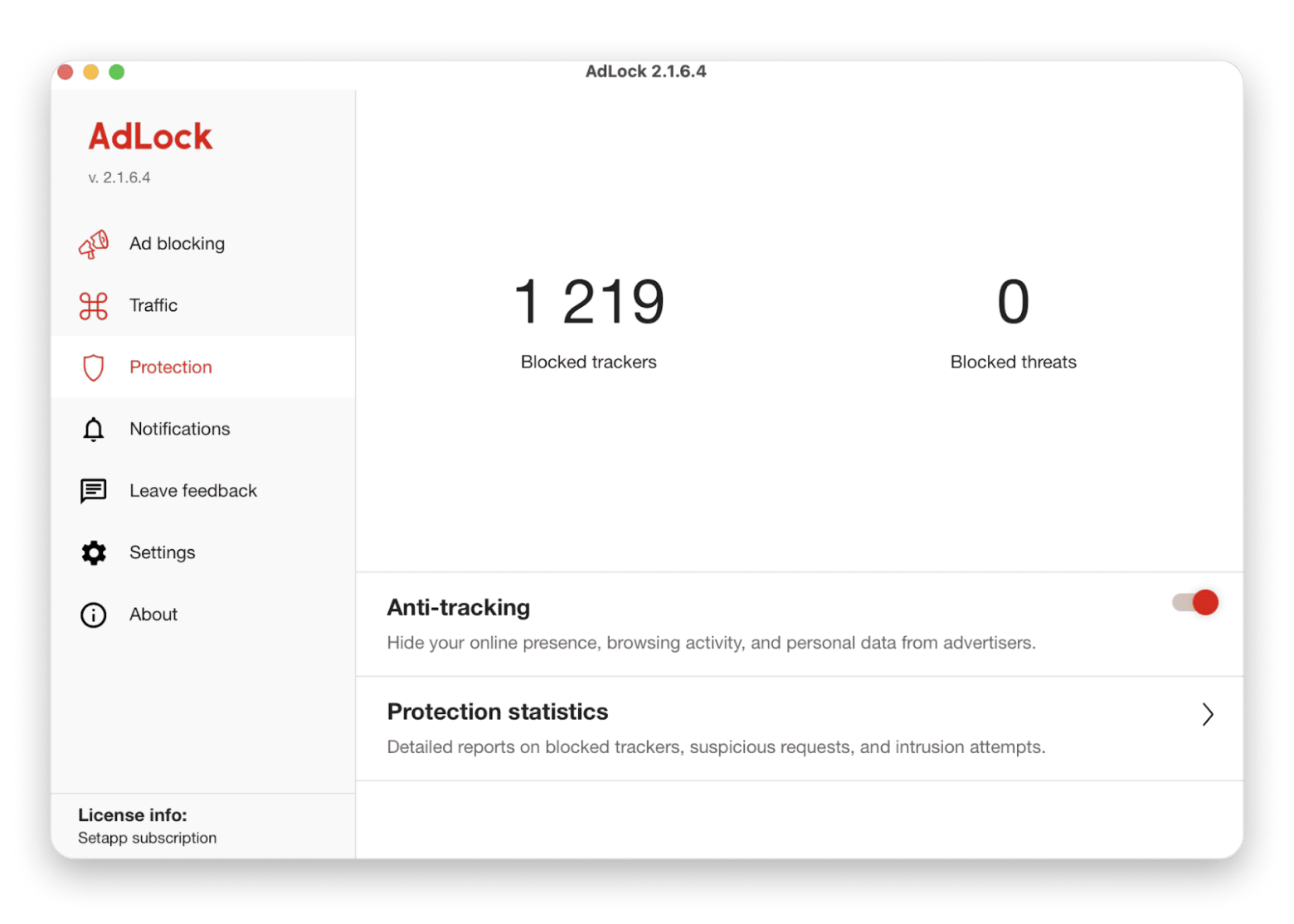
Want more control over what gets blocked? AdLock lets you set custom rules and block specific content types instead of blocking everything at once.

AdLock also helps protect your privacy from trackers and analytical systems. It can hide browser settings from advertisers and add protection against phishing and malicious websites.
How to turn pop-ups on or off in Chrome
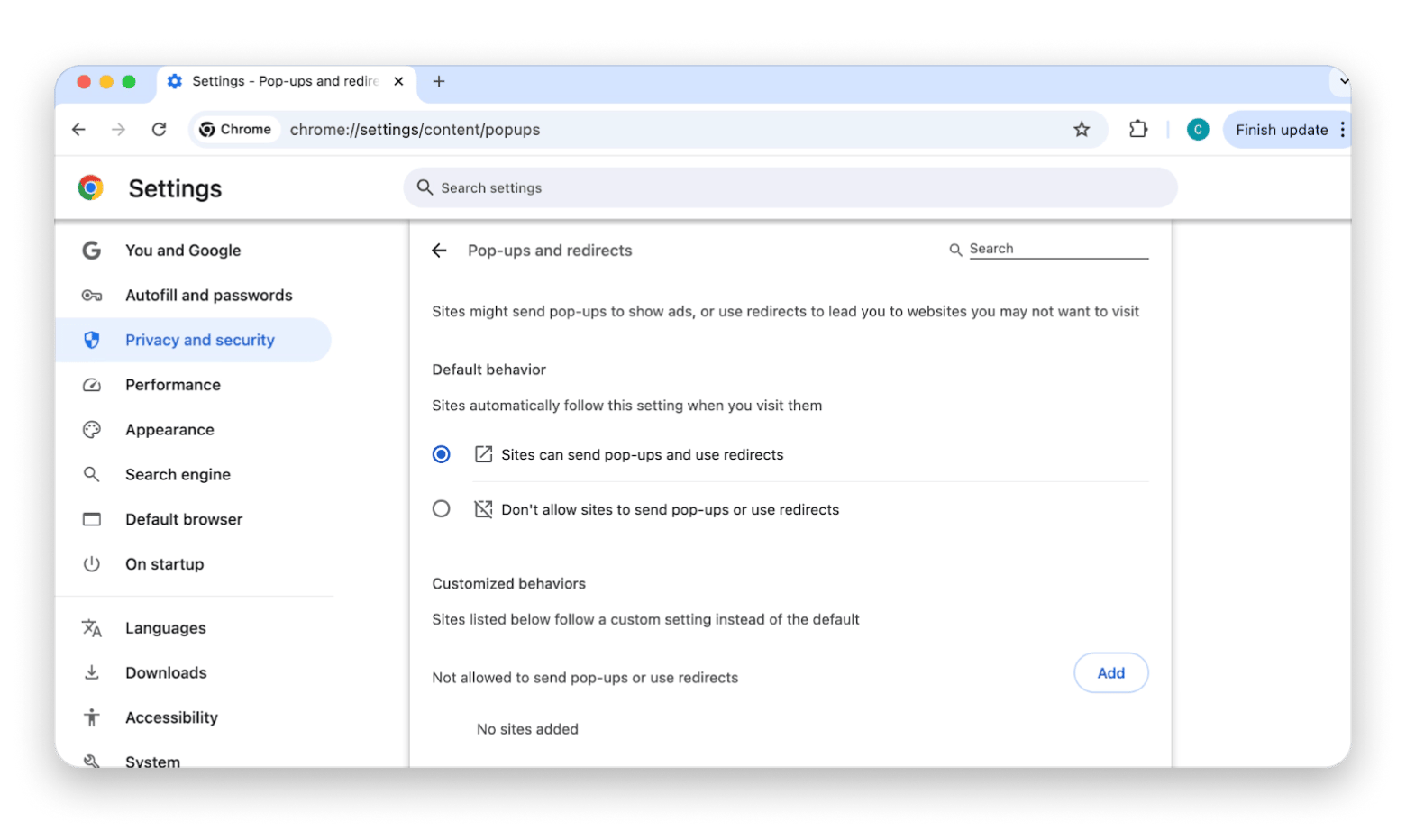
According to Google Chrome Help, you can manage the blocker under Settings > Privacy and security > Site Settings > Pop-ups and redirects. Chrome blocks pop-ups by default, but you can allow them globally or for individual websites.
How to allow pop-ups in Chrome on Mac
Turning off Chrome’s pop-up blocker on Mac takes just a few clicks in Settings.
Follow these steps:
- Open Chrome.
- Click Chrome in the menu bar and choose Settings.
- Click Privacy and security > Site Settings.
- Click Pop-ups and redirects.
- Select Sites can send pop-ups and use redirects.
You can also allow pop-ups only for the website you’re currently using:
- Click the Pop-up blocked icon in the address bar.
- Choose Always allow pop-ups and redirects from [site].
- Click Done.
Reload the page if needed. Chrome will keep blocking pop-ups everywhere else.
Tip: Knowing how to allow pop-ups in Chrome is useful, but it’s still important to stay vigilant about online security. A VPN encrypts traffic between your device and the VPN server and masks your public IP address, but it doesn’t make unsafe pop-ups trustworthy.
Of the VPNs I’ve tried, ClearVPN is the one I actually keep turned on, because there’s almost nothing to set up. I open the app, pick what I need, and I’m connected. It lets you block ads and trackers whenever you turn on the VPN on your Mac or iPhone.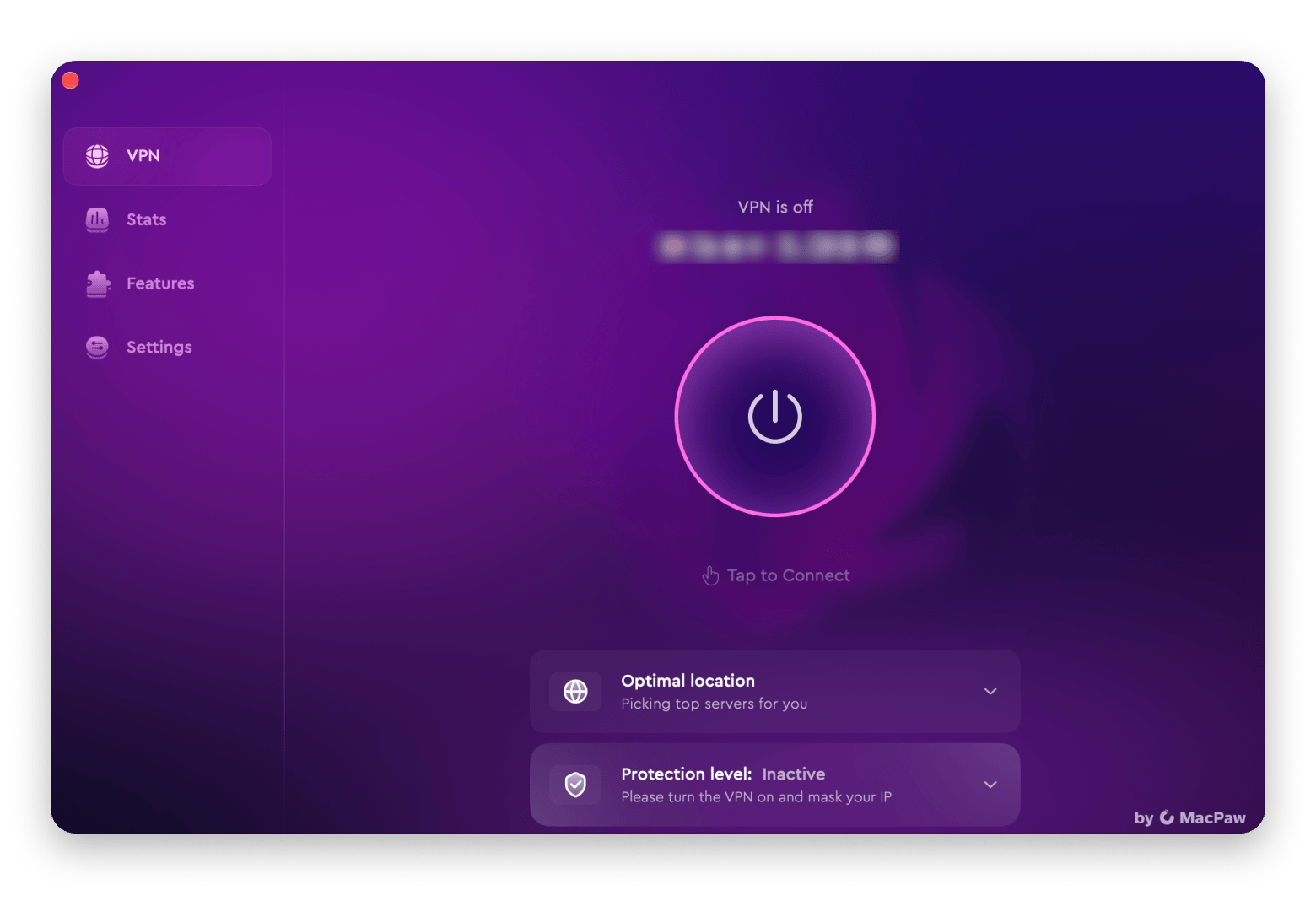
Or get ClearVPN on its own — app only, from $10.99 USD/mo.
Read also:
How to allow pop-ups in Chrome on iPhone and iPad
Using an iPhone or iPad? Follow these steps to allow pop-ups on every site:
- Open the Chrome app.
- Tap More.
- Tap Settings.
- Tap Content Settings.
- Tap Block Pop-ups and turn it off.
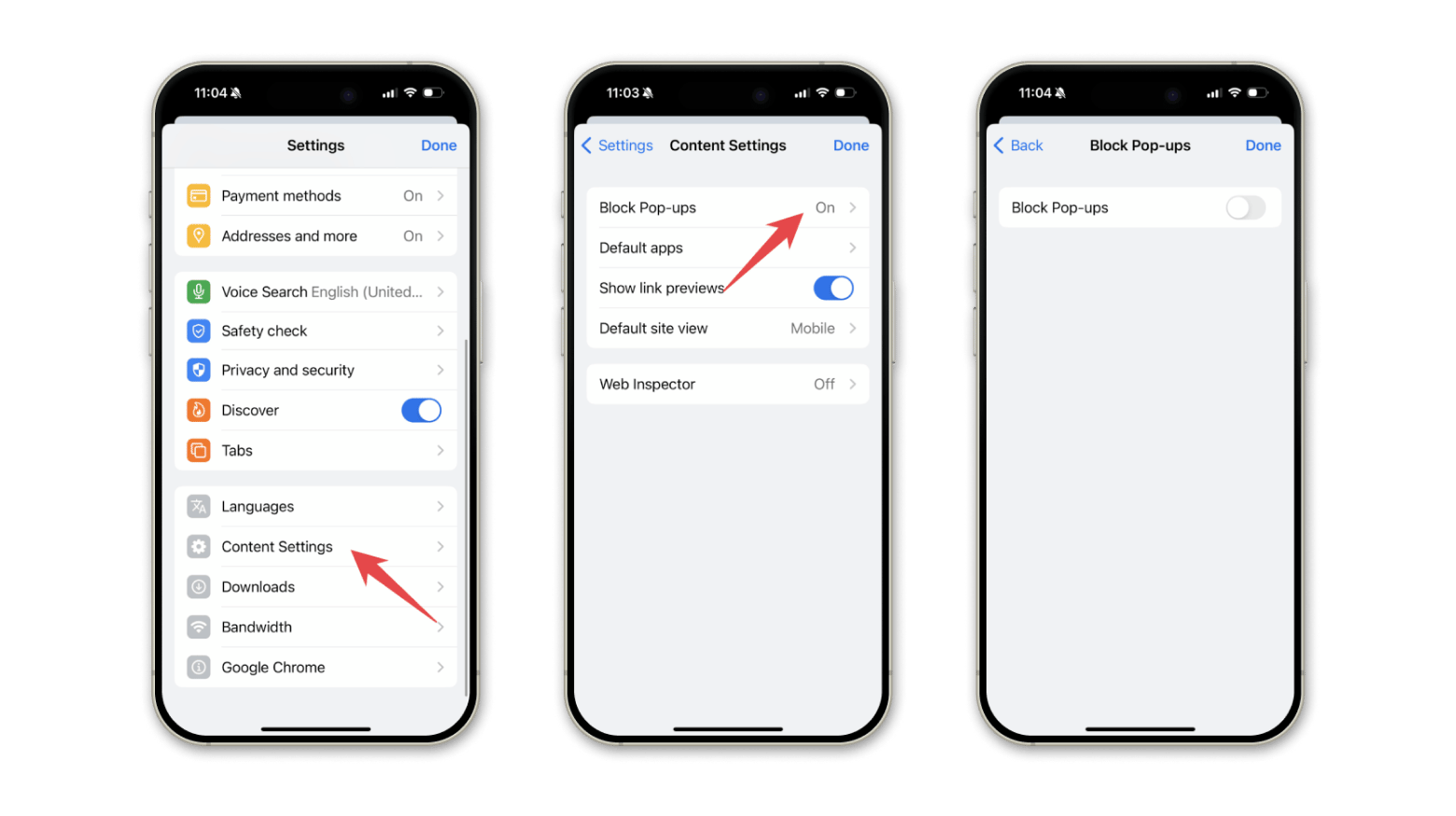
To allow pop-ups for just one site:
- Open the page where Chrome blocked a pop-up.
- Find Pop-ups blocked at the bottom of the screen.
- Tap Always show.
If the pop-up doesn’t appear, reload the page; Chrome will keep blocking pop-ups on all your other sites.
Wrapping up: Reasons to manage pop-ups in Chrome
Allowing pop-ups doesn’t have to be an all-or-nothing decision — especially when you control which sites get access. Chrome’s built-in settings handle basic permissions, while AdLock offers more control over ads, trackers, and autoplay videos. ClearVPN adds privacy tools and can block ads and trackers while connected.
Both are available through Setapp alongside 300+ Mac and iOS apps. Start your 7-day free trial.
FAQ
Are pop-ups in Chrome dangerous?
Not all pop-ups are dangerous, but some can lead to phishing sites or unwanted downloads. Chrome blocks pop-ups by default to reduce that risk. If you allow pop-ups, stick to per-site permissions so only trusted websites can open them. For extra protection, AdLock lets you block specific content types like autoplay videos and tracking scripts while keeping useful pop-ups active.
Can I allow pop-ups for just one website in Chrome?
Yes. On Mac, click the Pop-up blocked icon in Chrome's address bar, choose Always allow pop-ups and redirects from the site, then click Done. On iPhone or iPad, tap Always show under Pop-ups blocked at the bottom of the page. Chrome keeps blocking pop-ups on every other site.
Does allowing pop-ups affect Chrome's performance?
Allowing pop-ups on their own won't noticeably slow Chrome down. However, pop-ups that load ads, trackers, or autoplay media can increase memory usage and drain battery. Using a tool like AdLock to filter out resource-heavy content while keeping functional pop-ups active gives you the best of both worlds.






 Best solution
 Best solution