The error means your Mac's clock is out of sync. The "your clock is ahead" error — and Chrome's NET::ERR_CERT_DATE_INVALID — appear when your system time doesn't match a website's SSL certificate. It's usually a quick fix, not a security threat.
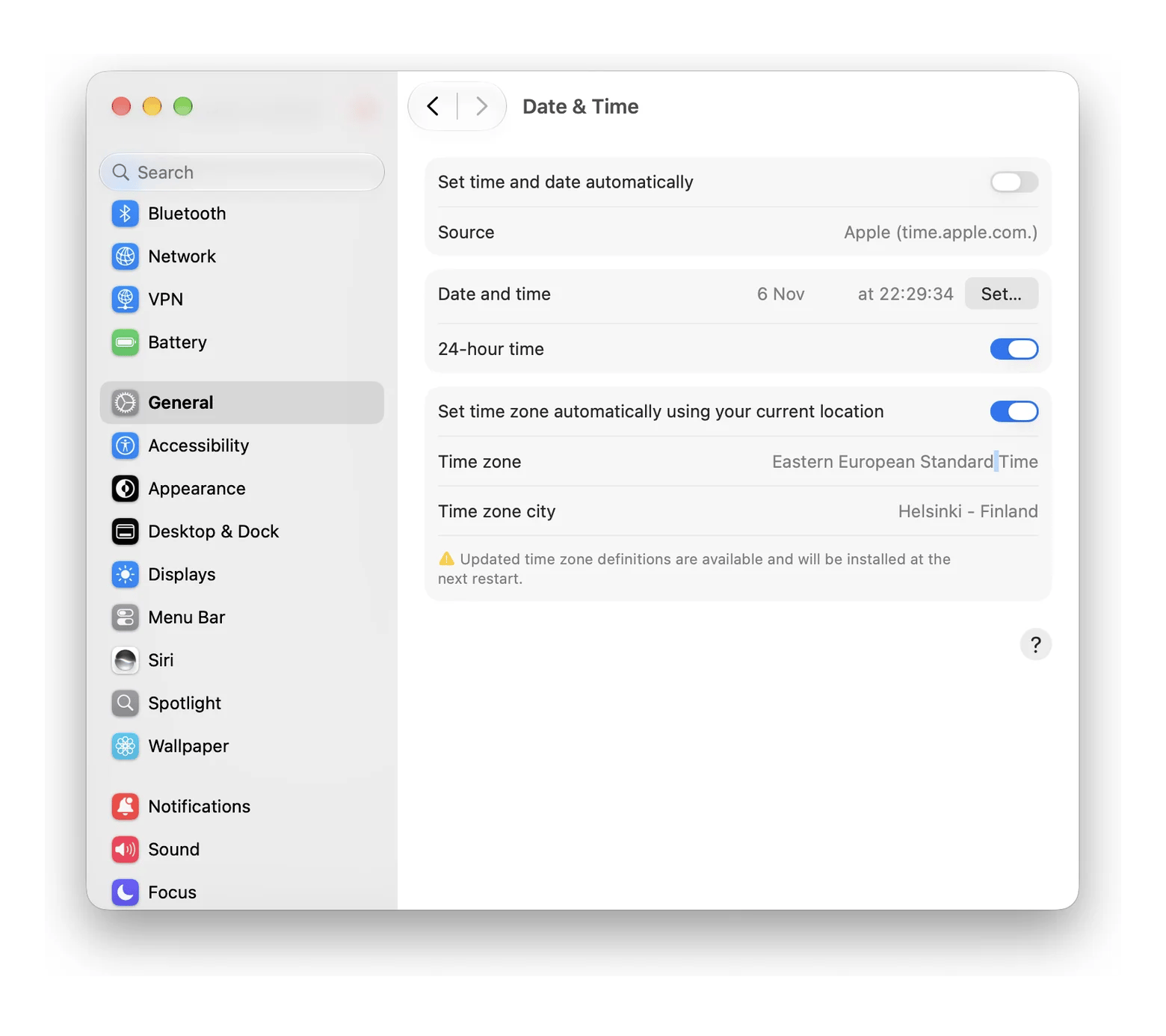
Start by setting your date and time to automatic. Go to System Settings > General > Date & Time and turn on Set time and date automatically. This syncs your Mac to time.apple.com and resolves the issue in most cases.
Clear your browser cache if the clock is correct. Stale cached certificates can trigger the error even when your time is right. Clear cache in Safari, Chrome, or Firefox — or use CleanMyMac to clean all browsers at once.
Flush DNS and check for macOS updates if basic fixes don't work. Corrupted DNS or outdated macOS builds can cause stubborn certificate errors. Update your system and flush the DNS cache via Terminal.
Keep your Mac tuned up with tools from Setapp. Monitor your network with WiFi Signal, scan for security gaps with Pareto Security, keep a floating clock handy with Dato, and clear junk files with CleanMyMac — all available to try free for 7 days.
The "Your clock is ahead" error blocks website access and prevents you from viewing content. There is no safe way to ignore this issue and browse the web page. Though this problem is annoying, a virus usually doesn't cause this or pose a security threat to your Mac. It usually occurs when your clock is out of sync.
In Chrome, the same problem often appears as NET::ERR_CERT_DATE_INVALID. Both point to the same root cause: a mismatch between your Mac's clock and a website's security certificate.
So, let's find out what to do about the clock error.
Discover why you see the "Your clock is ahead" error
The 'Your clock is ahead' error appears when your Mac's date and time are out of sync with a website's SSL certificate. This mismatch prevents your browser from verifying the site's security, so it blocks access. In Chrome, the same error shows as NET::ERR_CERT_DATE_INVALID. Here are the most common causes:
The date and time are wrong — usually when settings are done manually.
The time zone and Mac region settings don't match, often after traveling.
The browser cache is outdated, full, or corrupted.
The website's security certificates have expired, so the site may not be safe.
Your internet connection is having problems, sometimes on the provider's side.
Your DNS (Domain Name System) settings are misconfigured, so the browser reaches the wrong server.
The SSL state cache is corrupted, holding onto stale certificate data.
A browser extension is interfering with the secure connection.
Before loading a website, your browser requests its SSL (Secure Sockets Layer) certificate. This certificate keeps the data you send — like passwords or credit card numbers — private and protected. You can read more about how these certificates work in Google's Chrome Help documentation.
SSL certificates have expiry dates. If your Mac shows an earlier date or time than the certificate expects, the browser triggers an error. That's the whole mechanism in a nutshell.
How to fix the clock error on Mac
The fastest fix is to set your Mac's date and time to automatic in System Settings > General > Date & Time. If that doesn't work, check your region settings, clear your browser cache, or update macOS. Here's each method step by step.
Tip 1: Set date and time automatically on Mac
If the browser shows a clock error, you'll see an Update Date and Time button at the bottom right. Go ahead and click it. You'll jump straight to the date and time settings, where you can reset the system time. You can also get there manually.
To check your clock settings and sync your system time to a Network Time Protocol (NTP) server. The internet standard for clock synchronization is defined in RFC 5905. Follow the next steps:
Go to Apple menu > System Settings > General > Date & Time.
Turn on Set time and date automatically.
Make sure the Source line refers to time.apple.com.
If everything already looks correct, try the reverse. Set the clock manually first, then switch back to automatic. After changing the settings, restart your Mac and try opening the website again.
Set date and time using Terminal
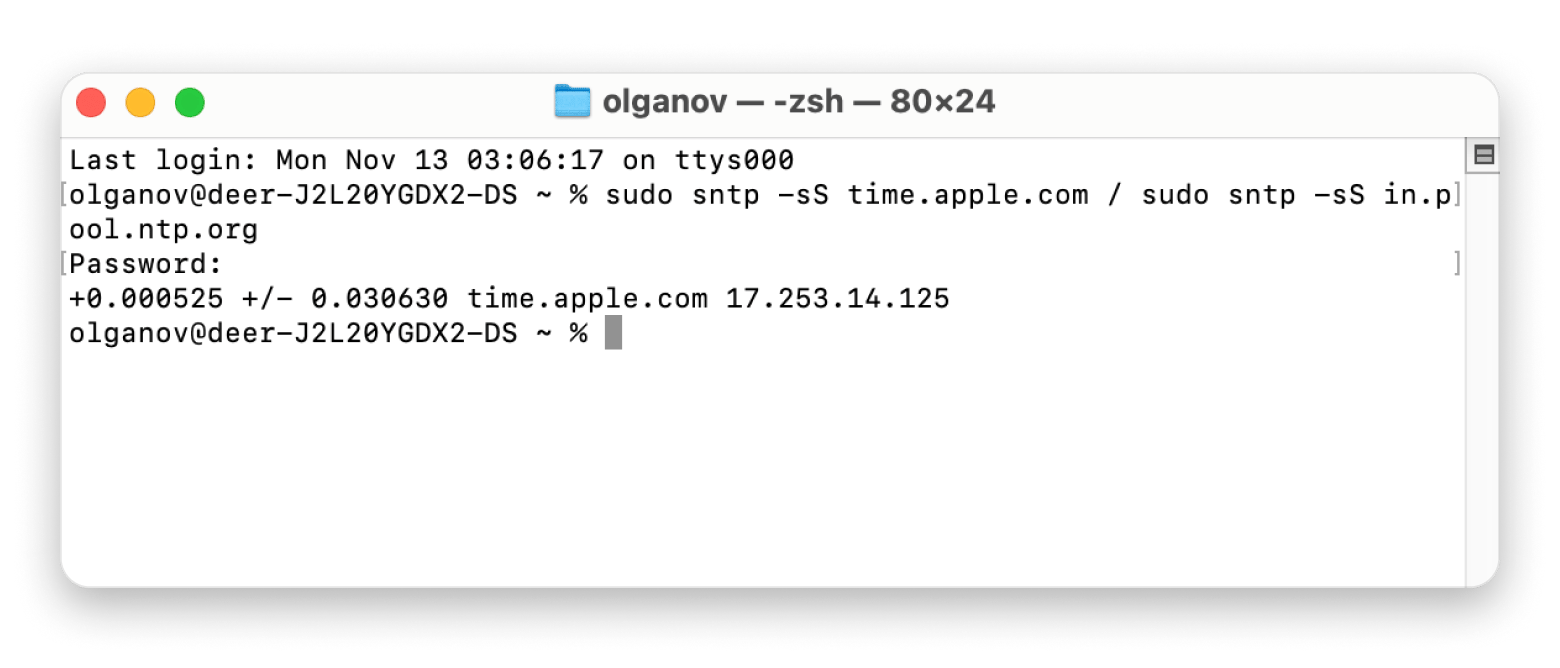
Another quick way to sync your Mac clock with the time.apple.com NTP server is Terminal. Don't worry — Terminal is easier than it looks, even if you've never used it. This command takes under a minute.
Open Terminal from Launchpad, or press Command + Space and type Terminal.
Paste this command and press Enter: sudo sntp -sS time.apple.com.
Enter your Mac login password. No characters will appear as you type, but that's normal.
Press Enter to run the command.
The clock should adjust automatically. For reference, NTP uses port 123/UDP.
How to keep a clock always visible on your screen
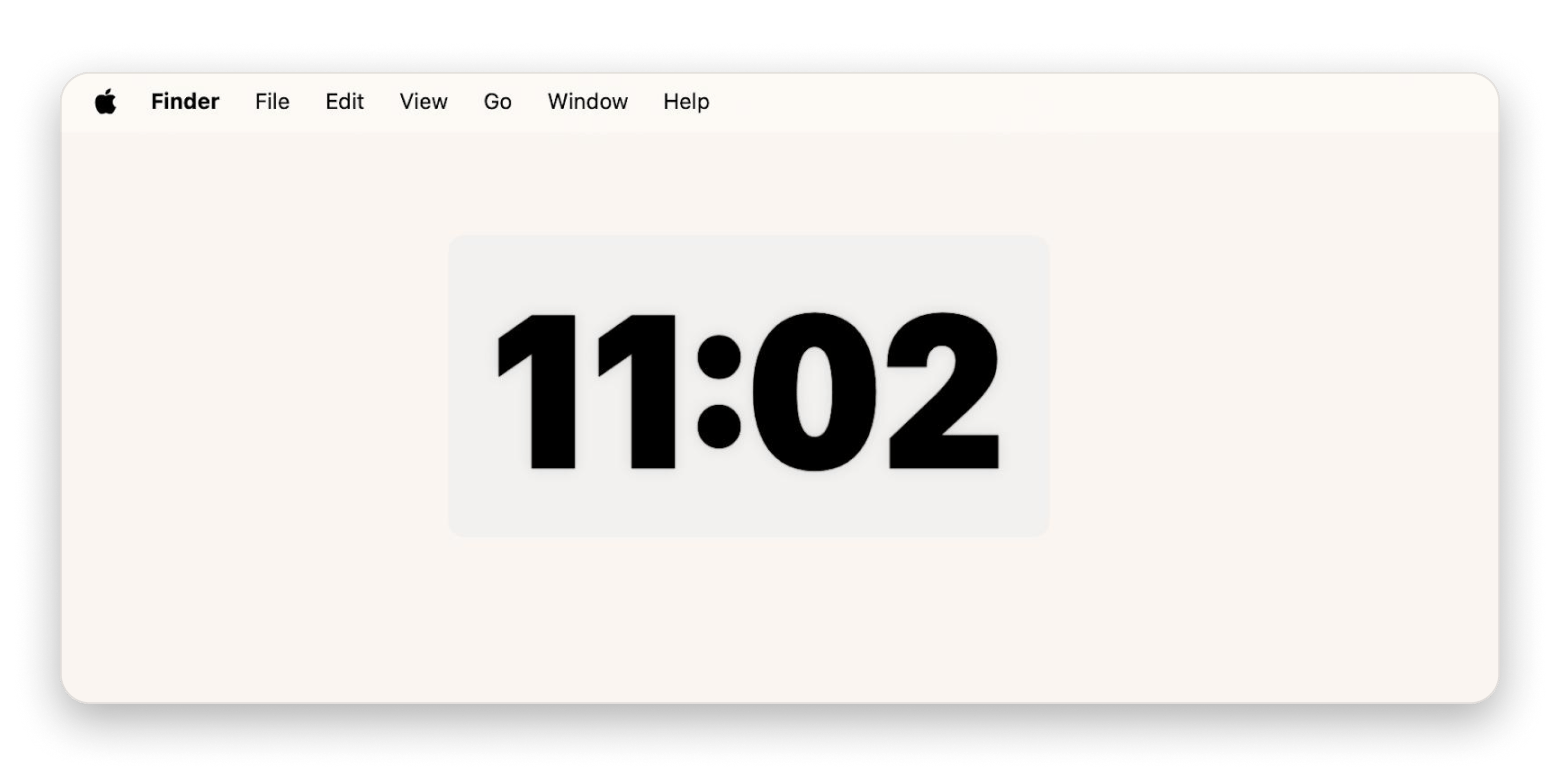
For me, it’s important to check the time quickly throughout the workday, so I prefer to keep the clock visible on my screen at all times. If you also want a clock that's always in sight and bigger than the standard menu bar one, try Dato.
Dato is a menu bar calendar and world clock app, but it also has a floating clock feature. This app puts a floating clock on top of all your windows, even in full-screen mode. You can customize its color, transparency, and font, then drag it anywhere by holding the Option key.
To set up your floating clock:
Download and open Dato.
Click the three dots in the upper right corner > Settings > Extras.
Turn on Floating Clock and adjust the settings.
Now the clock is always at your fingertips, no squinting required.
Missed the time because the menu bar clock was hidden behind an app? Dato's floating clock stays visible everywhere. Never lose track of time on your Mac again. Try Dato Free.
Tip 2: Check language and region settings
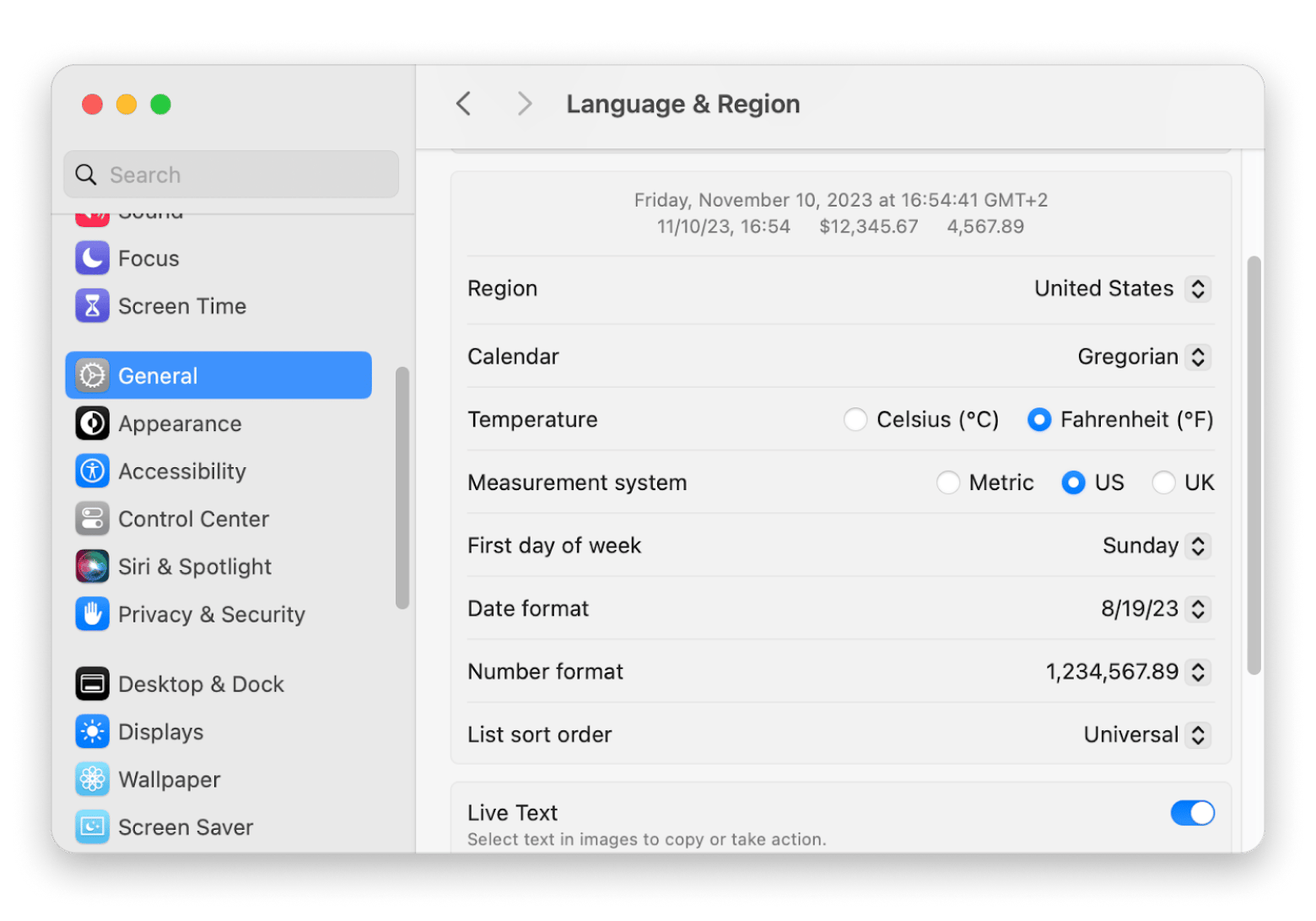
The clock error can also pop up when your Mac's region settings don't match where you actually are. This mismatch often comes from default settings or a previous owner's setup.
To check your region, go to the Apple menu > System Settings > General > Language & Region.
Find the Region line and set the country you're in. If it already looks correct, set a random region, then switch it back. That small reset often clears the issue.
Tip 3: Clear browser cache
If you see the clock error but your time is correct, try my favorite troubleshooting method for Mac issues: clearing your browser cache. Let’s take a look at how to do this in popular browsers, including Safari, Chrome, and Firefox.
Clear browser cache in Safari
In Safari, there are a couple of ways to do this:
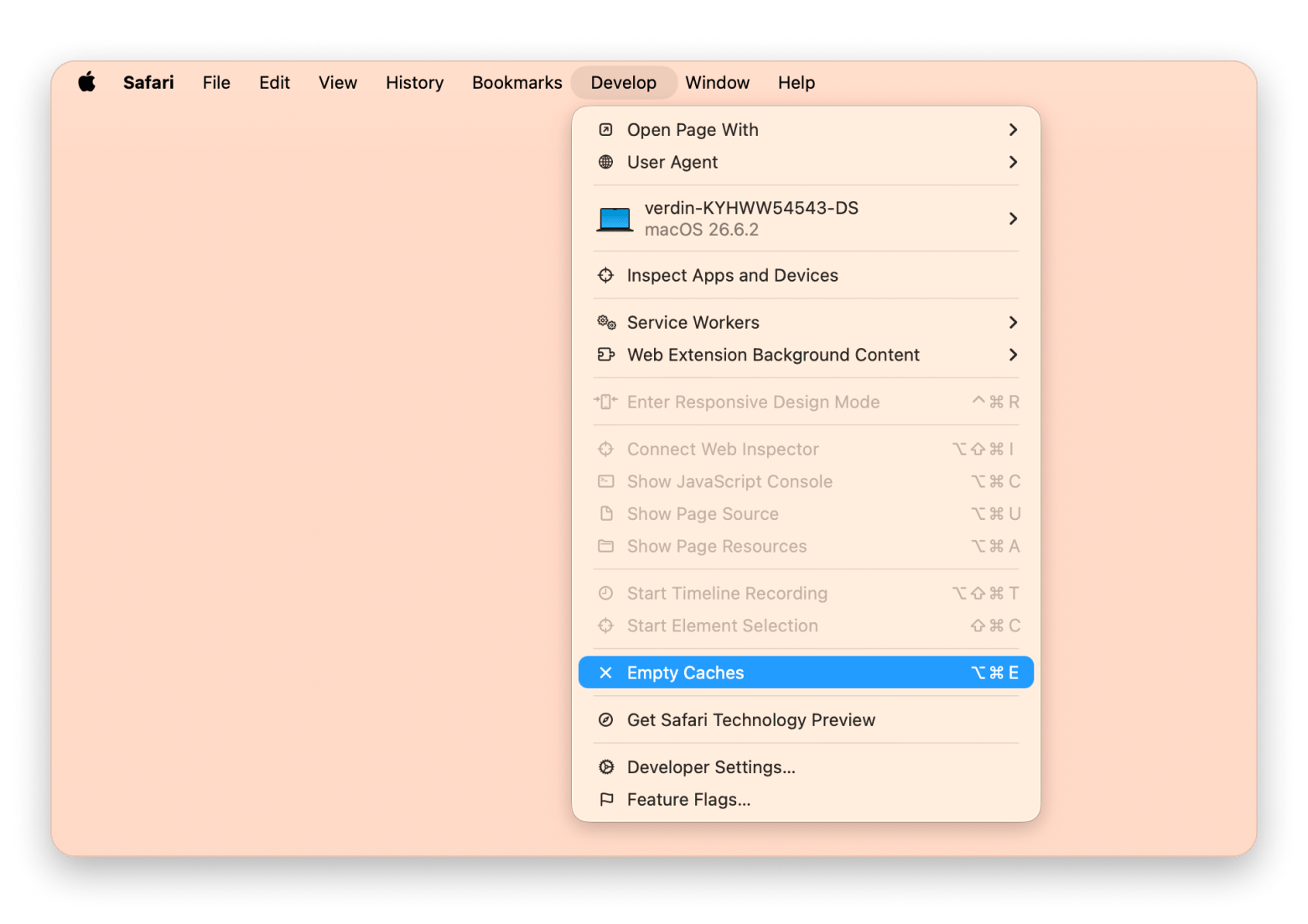
Go to Safari > Settings > Advanced.
Then turn on Show features for web developers at the bottom.
After that, choose Develop > Empty Caches from the menu bar.
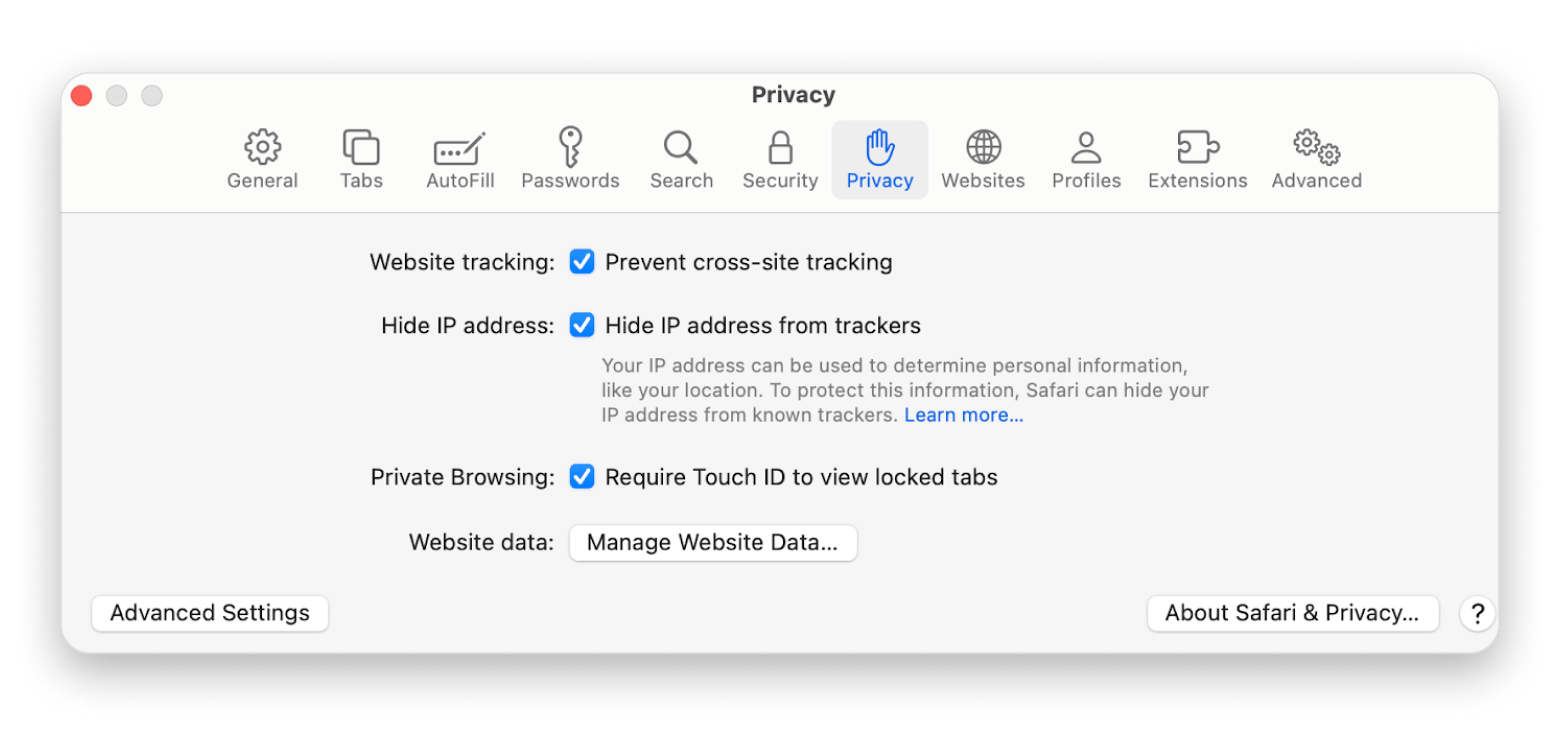
You can also clear cookies and cache together while keeping your browsing history. Go to Safari > Settings > Privacy > Manage Website Data > Remove All.
Clear browser cache in Chrome
If you get the "Your clock is ahead" error in Chrome, go to Settings > Privacy and Security > Delete Browsing Data. Set the Time range box to All Time, then select Cookies and other site data and Cached images and files. Click Clear data to finish. Google covers these steps in its official Chrome Help guide.
After clearing your browser, you'll be signed out of most websites but stay signed in to your Google Account. Any passwords saved there will fill in automatically next time.
Select both Cookies and Site Data and Cached Web Content > Clear.
Once the cache is cleared, some sites may load a little slower at first. After a few visits, everything speeds back up.
Tip 4: Update macOS
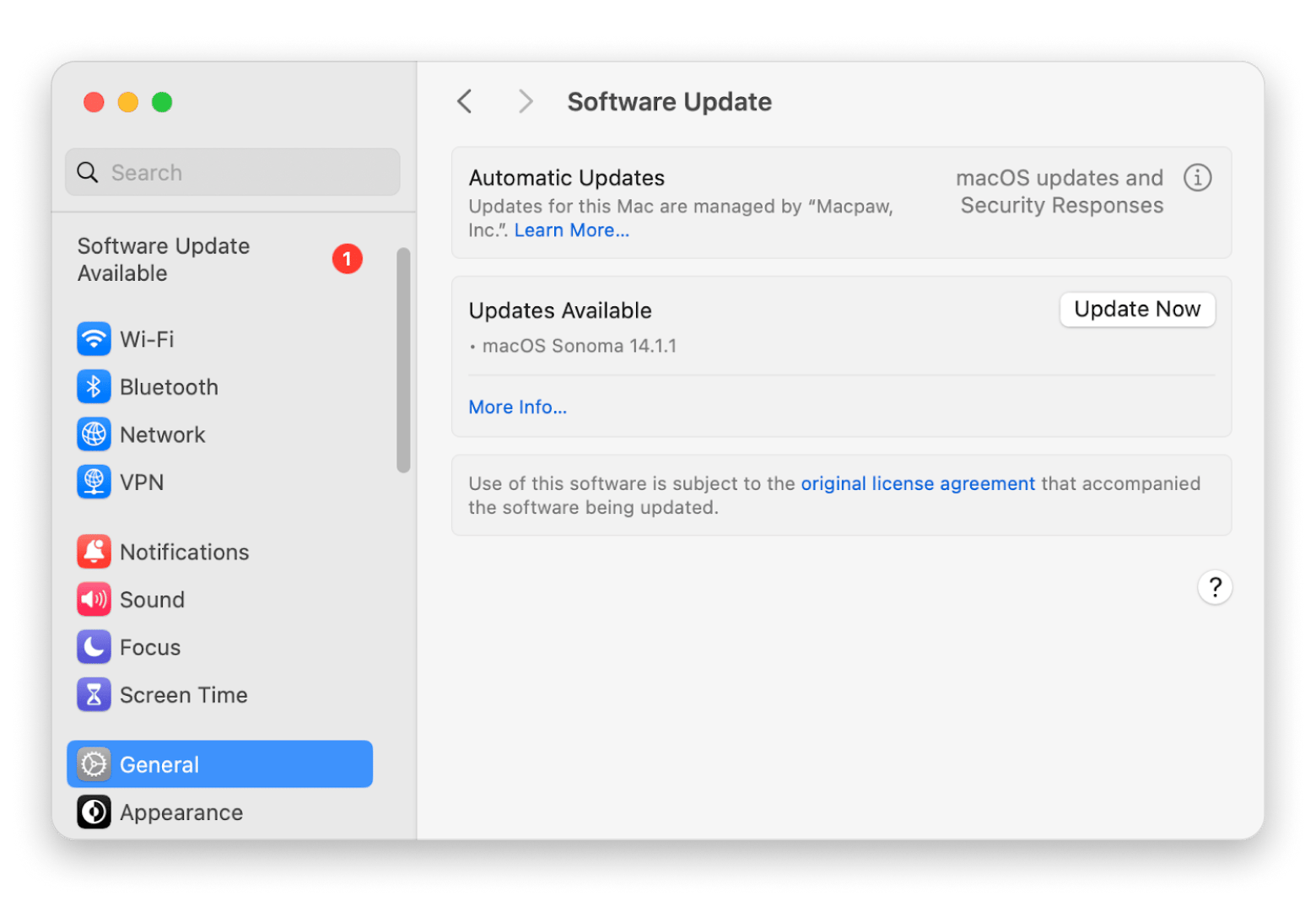
An outdated macOS can trigger the clock error, just like other bugs. Check for updates at Apple menu > System Settings > General > Software Update. If you see an Update Now button, click it. Apple regularly patches security and certificate handling in newer builds, as documented in its macOS security release notes.
Tip 5: Flush DNS and clear the SSL cache
If the core fixes don't work, corrupted DNS or SSL cache data may be the culprit. Flushing them often clears stubborn certificate errors like NET::ERR_CERT_DATE_INVALID.
Paste this command and press Enter: sudo dscacheutil -flushcache; sudo killall -HUP mDNSResponder.
Enter your Mac login password and press Enter.
In Chrome, you can also clear the SSL state directly. Type chrome://net-internals/#dns in the address bar and click Clear host cache. Then restart the browser.
Finally, test the site in an incognito window to rule out extensions. If it loads fine, disable your extensions one by one to find the troublemaker. That last step points to a browser add-on interfering with the secure connection.
What to do when the clock error still persists
The website likely has an expired SSL certificate, which makes it unsafe to browse. In that case, there's nothing to fix on your Mac — the site owner needs to renew their certificate.
If you've tried everything and your Mac's clock still isn't cooperating, it's worth reaching out to Apple Support — they can dig deeper into what's going on.
How to fix Mac's clock running ahead in a few clicks
Most of the time, you can fix the clock error quickly. Here's a recap of what to do when your Mac's time is off:
Set the date and time automatically in Date & Time settings, and sync your Mac clock with time.apple.com — either in System Settings or with sudo sntp -sS time.apple.com in Terminal
Set your actual region in Language & Region settings
Clear your browser cache — you can keep your browsing history
Update macOS, then restart your Mac
Flush your DNS, clear the SSL state, and disable interfering browser extensions
To keep your Mac and browser running smoothly and cut down on errors, these apps help as well:
Check your network connection quality with WiFi Signal
Scan for vulnerabilities and missing updates with Pareto Security
Clean out junk files, app leftovers, and malware with CleanMyMac
Keep a floating clock on top of your windows with Dato
You fixed the clock error — now keep your Mac from causing the next one. CleanMyMac, WiFi Signal, Pareto Security, Dato, and 300+ more apps — all included in Setapp. Cancel anytime. Get 300+ Mac Apps.
FAQ
Why does it say "Your clock is ahead"?
You'll usually see this error for one of two reasons. First, your Mac's clock is out of sync with world time. Second, the website you're visiting has an expired SSL certificate and may not be safe. In Chrome, the same issue shows up as:
NET::ERR_CERT_DATE_INVALID — the classic certificate date mismatch
A "Your connection is not private" warning is blocking the page
How do you fix the "Your clock is ahead" error on Mac?
Try these steps in order:
Set the date and time automatically in the Apple menu > System Settings > General > Date & Time.
Set your real location in System Settings > General > Language & Region.
Clear your browser cache and cookies. You can also try CleanMyMac for a thorough cleanup of your Mac.
Update macOS in System Settings > General > Software Update.
If only one site shows the error, its certificate has likely expired — that's out of your hands.
What does NET::ERR_CERT_DATE_INVALID mean in Chrome?
NET::ERR_CERT_DATE_INVALID means Chrome can't verify a website's SSL certificate because of a date mismatch. This happens when your Mac's clock is wrong, or the site's certificate has expired. Fix it by setting your date and time automatically. If your clock is correct, the site owner likely needs to renew their certificate.
Can I bypass the ERR_CERT_DATE_INVALID warning?
You can, but I wouldn't recommend it for most sites. In Chrome, click Advanced on the warning page, then choose Proceed to [site] (unsafe). Only do this if you fully trust the site and understand the risk. Bypassing the warning means your connection isn't secure, so avoid entering passwords or payment details.






 Best solution
 Best solution