You can find saved passwords using System Settings, the Passwords app (introduced in macOS Sequoia), or iCloud Keychain. Sign in with Touch ID or your user account password to view and copy all your stored login credentials.
Here’s a quick overview of the ways to find saved passwords on your Mac, with detailed instructions following below:
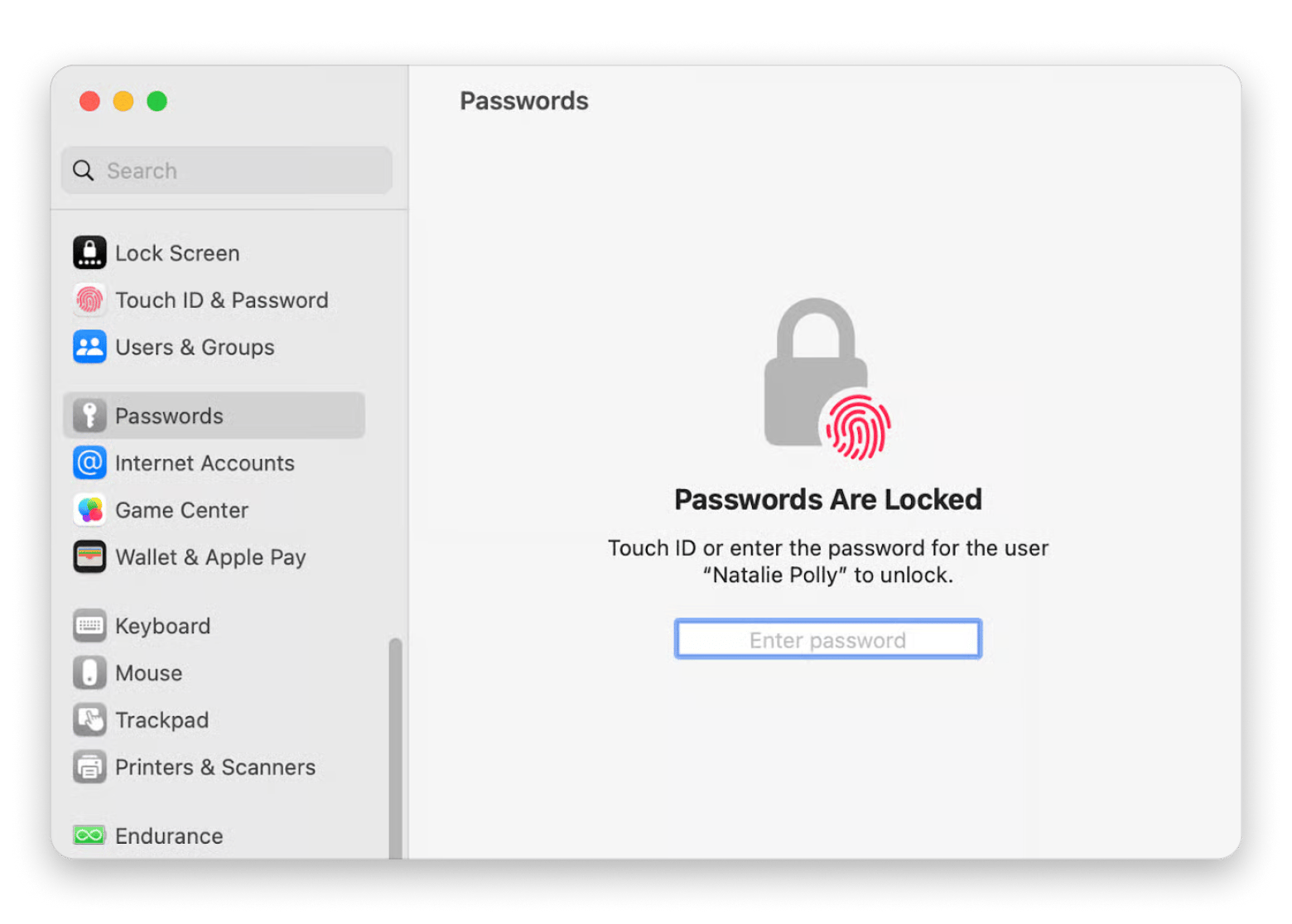
If you’re using macOS Sonoma and earlier versions, you can find the saved passwords in System Settings.
To do it:
Open the Apple menu > System Settings.
Click Passwords in the sidebar.
Sign in with Touch ID or enter your user account password.
Check a website, then click the info button to view details.
Once authenticated, you can view, copy, or edit any saved password directly from this list.
Find passwords on your Mac in the Passwords app
Starting with macOS Sequoia (15.0), a standalone built-in app manages your passwords.
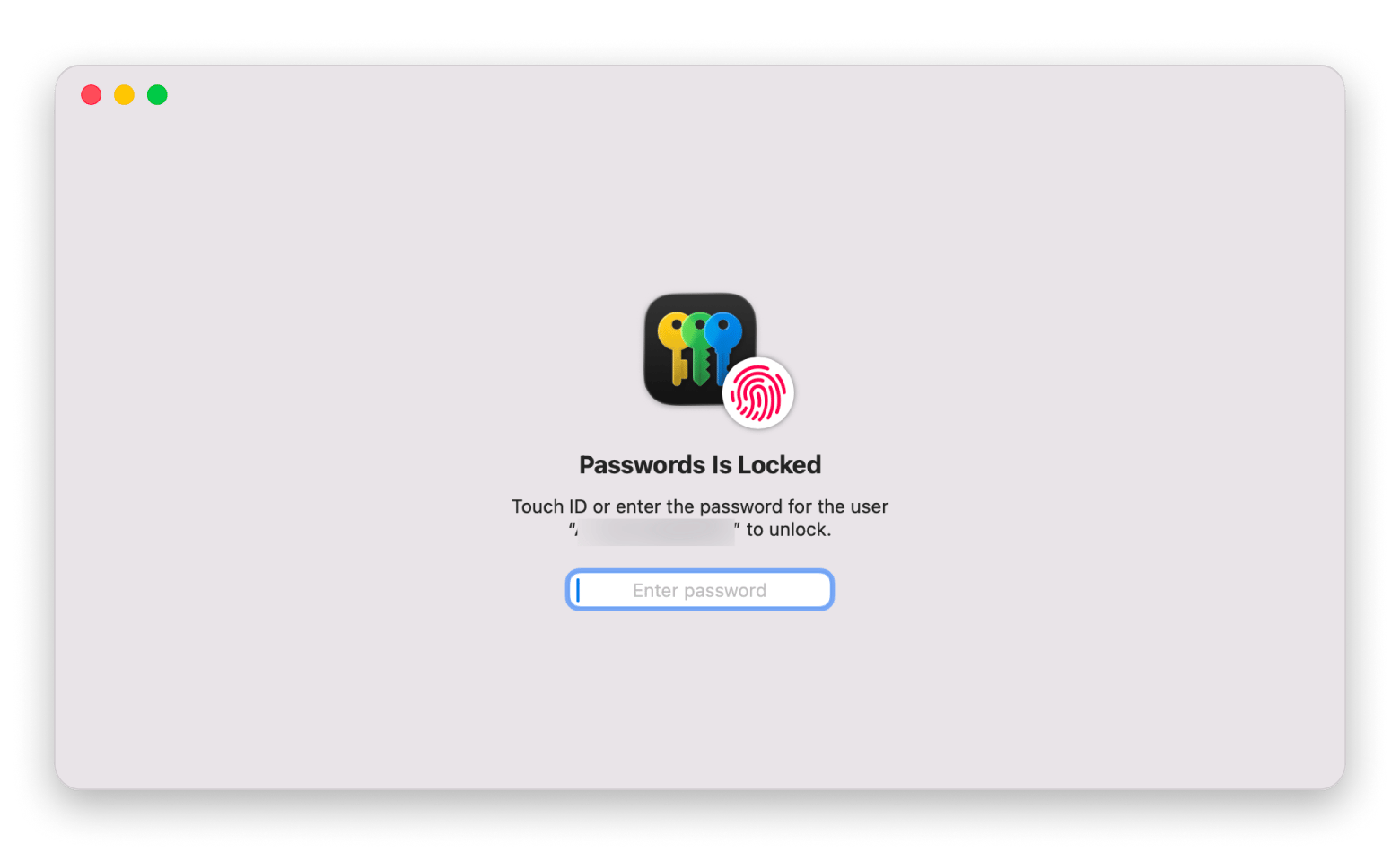
To view your passwords, use the Passwords app:
Open Passwords from your Applications folder or Launchpad.
Authenticate with Touch ID or your Mac login password.
Search for the website or app name in the search bar.
Click any entry to view the full password details.
The Passwords app also includes a Recently Deleted section where accidentally removed passwords stay for 30 days.
View saved passwords on Mac in iCloud Keychain
iCloud Keychain remains the backbone of Apple's password system. It syncs your credentials across all Apple devices signed into the same Apple Account.
Here's how to access passwords through iCloud Keychain:
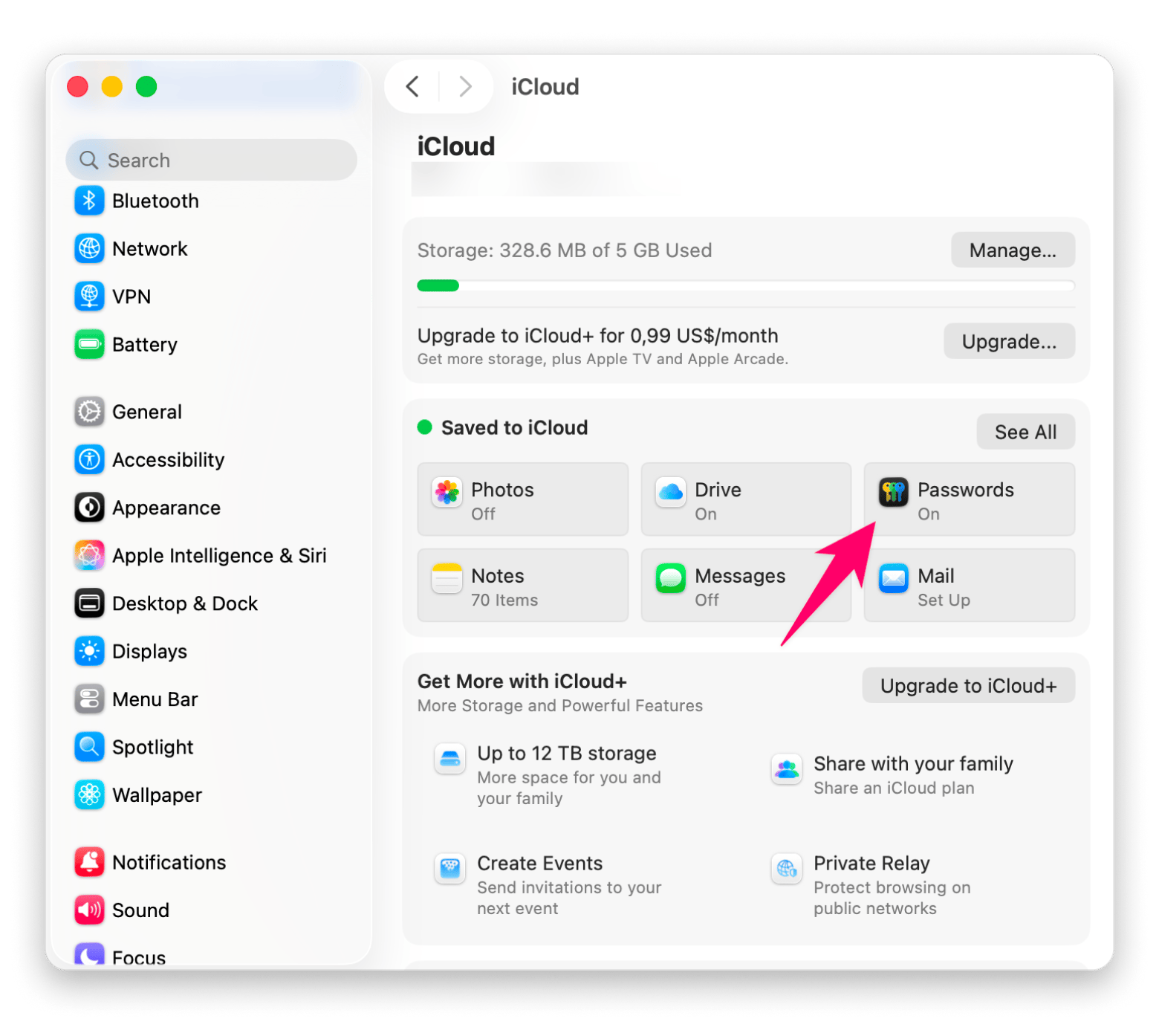
Go to the Apple menu > System Settings.
Click Apple Account > iCloud.
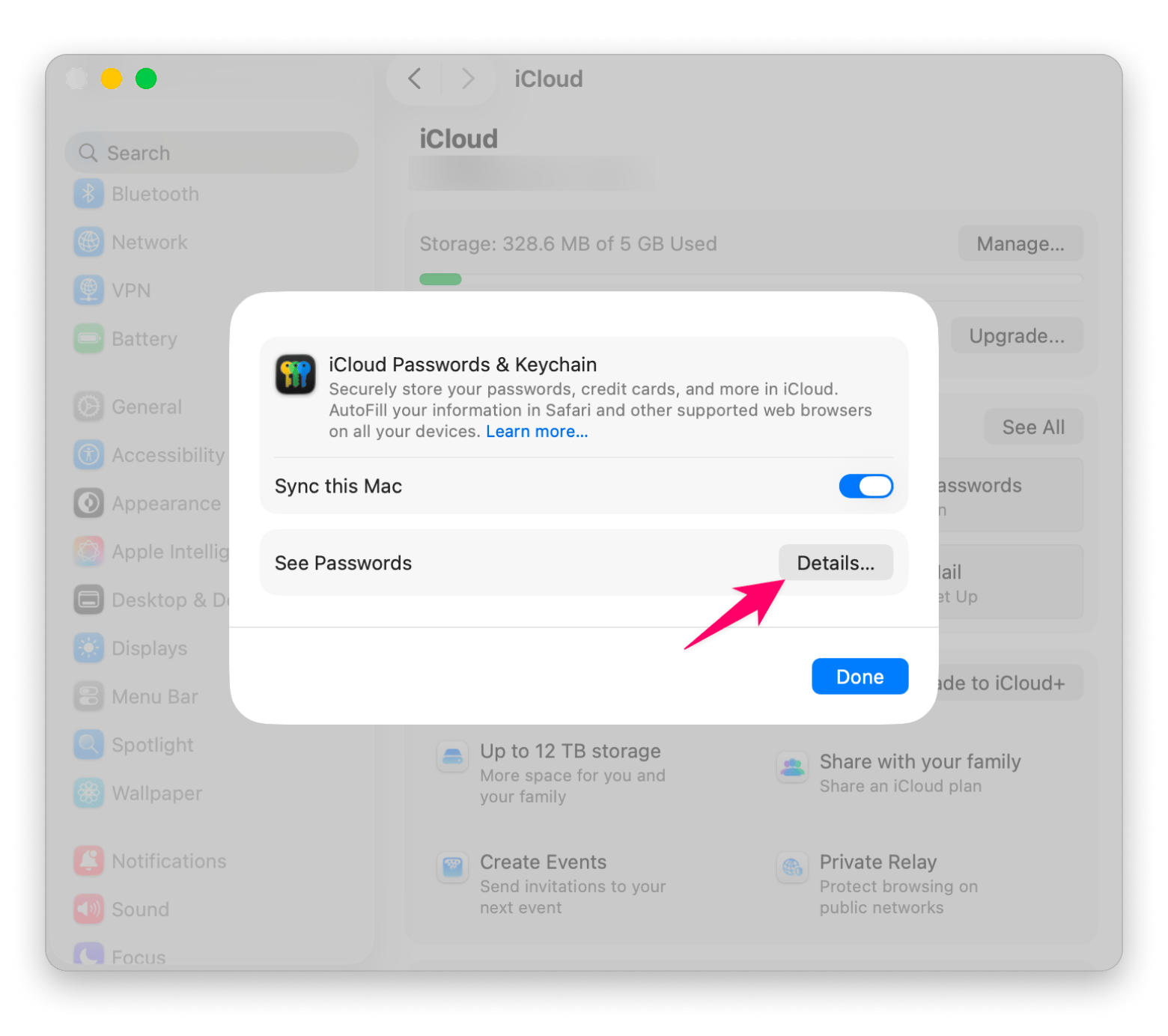
Turn on Passwords & Keychain if it isn't already enabled.
Click Passwords > Details to see your passwords.
If a password isn't showing up, check the Recently Deleted section first — passwords removed by mistake can be restored with one click. You can also use Spotlight (Command + Space) and type "Keychain Access" for direct access to the utility app.
How to view and edit passwords saved with Safari
Safari's AutoFill spares you from typing passwords every day. When you need a login for another device, you can reveal it in just a few clicks.
Follow these steps:
Open Safari.
Go to Safari > Settings from the menu bar.
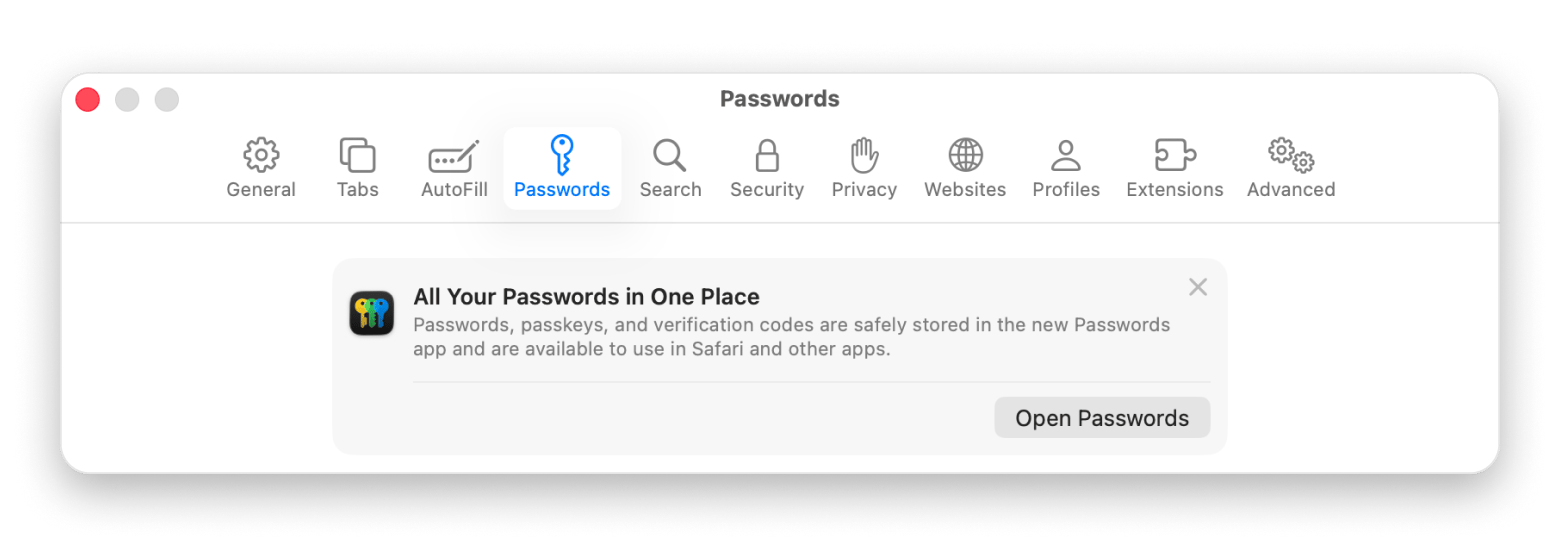
Click the Passwords tab > Open Passwords.
Authenticate with your Mac password or Touch ID.
Choose any website to view its saved credentials.
Click Edit to modify a password if needed.
That's it. You can view your saved passwords whenever you need them.
Manage passwords like a pro with Secrets 4
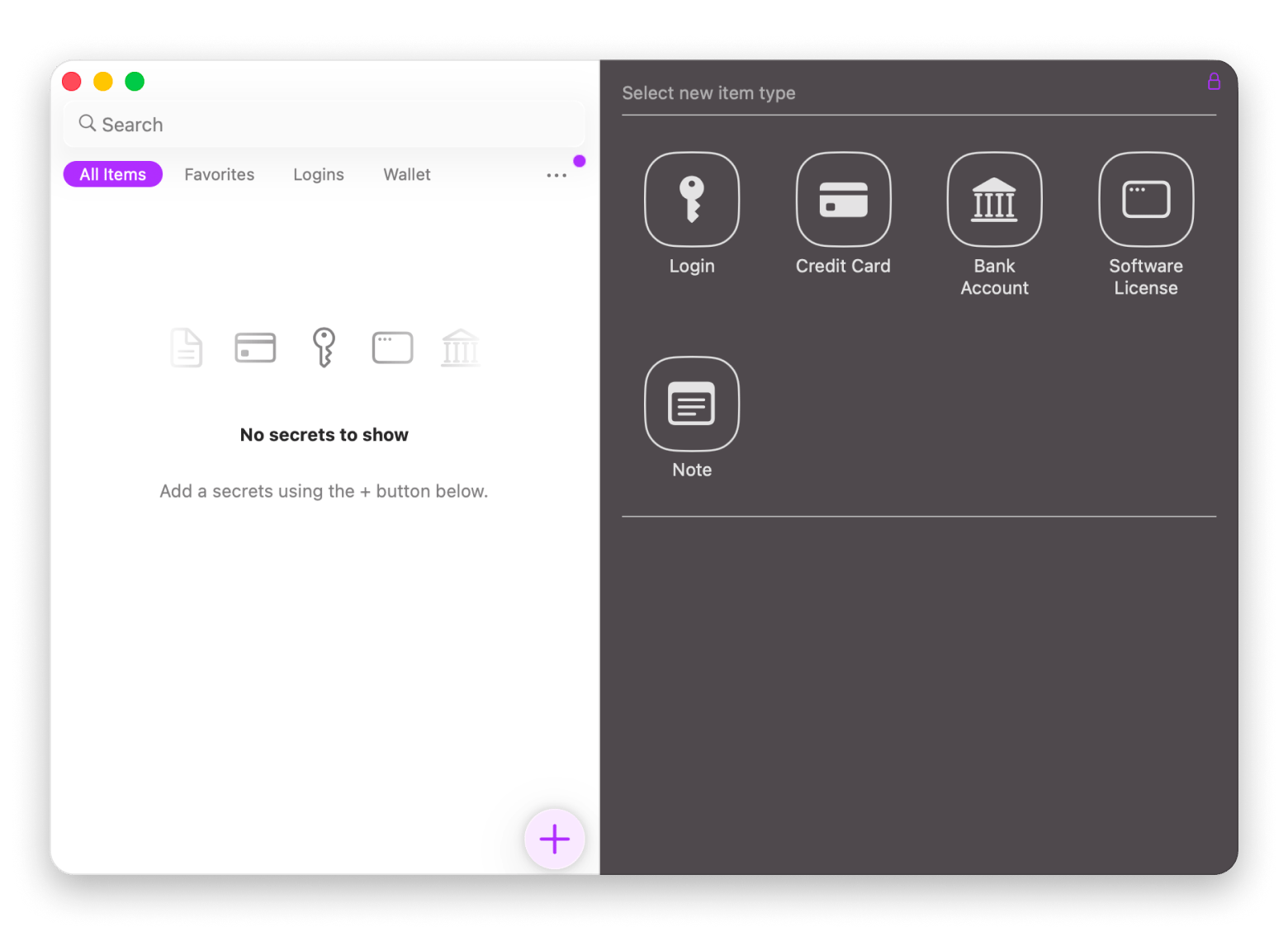
While you're organizing your Mac's security, it's worth considering a dedicated password manager. I rely on Secrets 4 for managing login credentials because it goes beyond what Keychain offers.
Secrets 4 uses 256-bit encryption to store your passwords, credit card information, and secure notes. It can import from other password managers like 1Password and LastPass, generate strong passwords, and sync across devices through iCloud. The app also supports Shared Vaults for team password sharing.
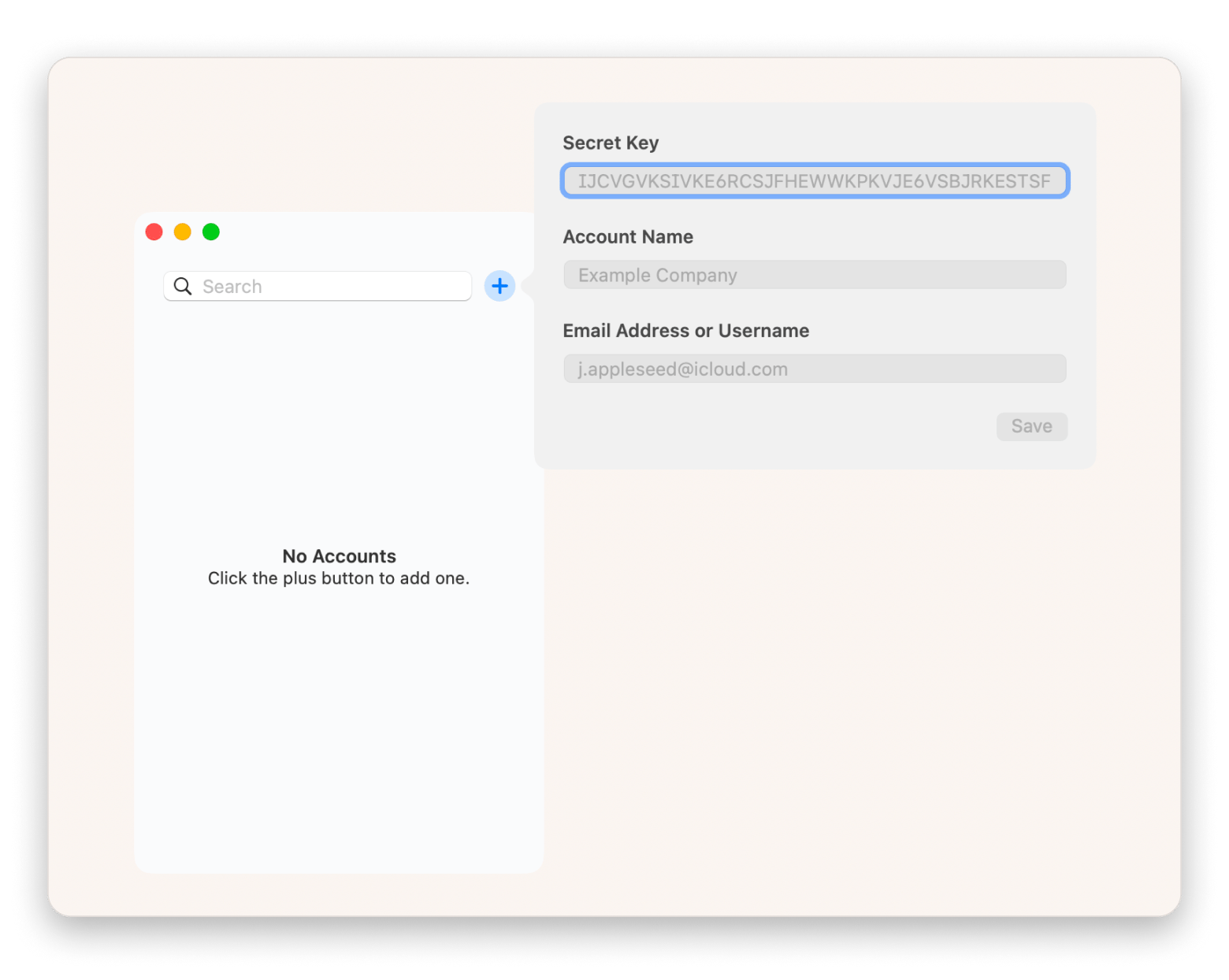
For an extra layer of security, pair it with Step Two for two-factor authentication. A strong password alone isn't always enough. Adding Step Two to my setup meant that even when one of my accounts was compromised, the 2FA code kept it locked down. It syncs through iCloud, so it just works across my Mac and iPhone without me thinking about it.
Together, Secrets 4 and Step Two cover most of what you need to stay secure day to day. But if you're still not sure whichoption is right for you, check out a full comparison of the best password managers for Mac.
How to put a Passwords shortcut in the menu bar
If you're running macOS Sequoia or later, you can add a Passwords shortcut to your menu bar. The new Passwords app includes a menu bar option that gives you instant access to your credentials.
To enable it:
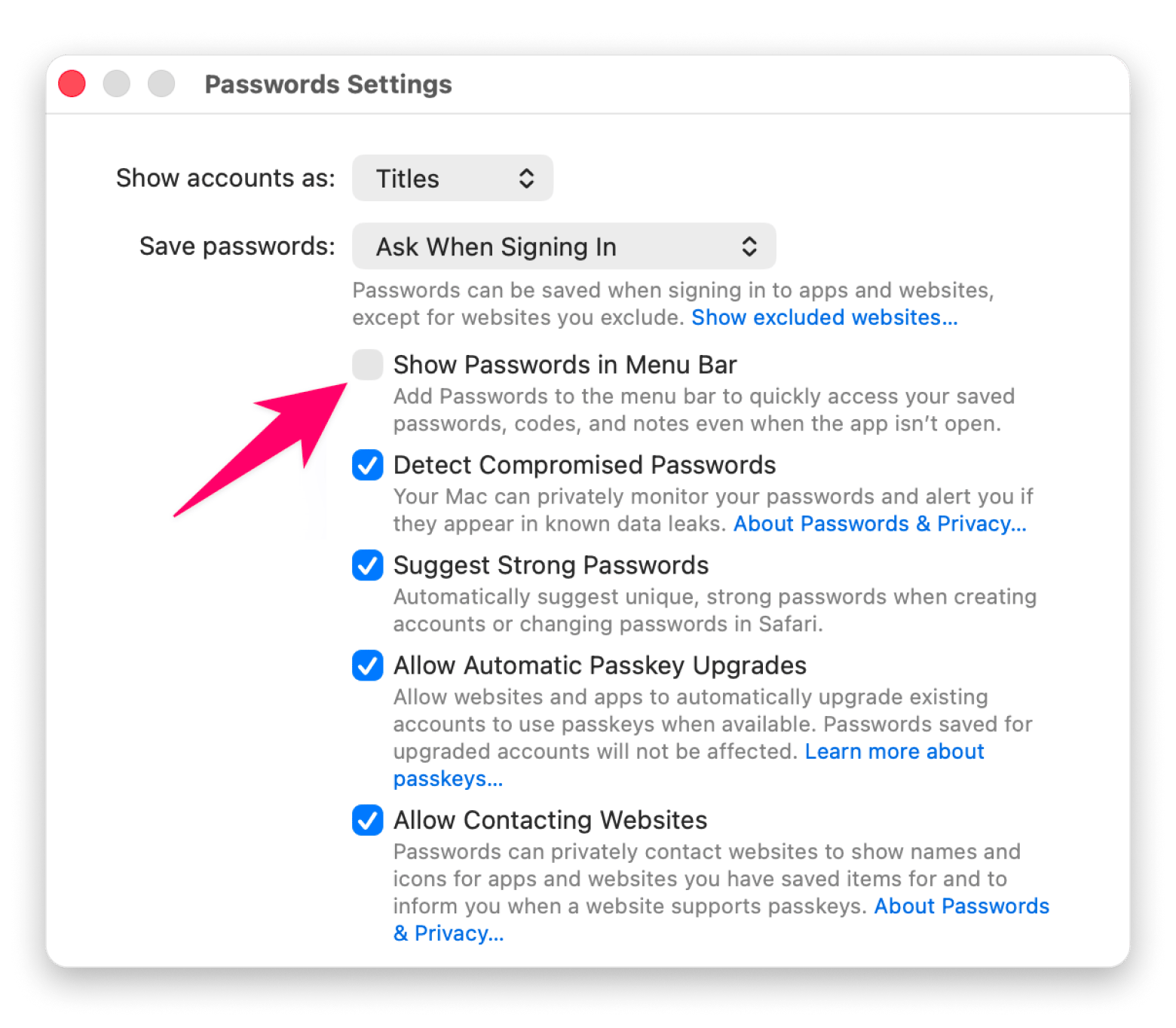
Open the Passwords app > Settings.
Check Show Passwords in menu bar.
Click the new key icon in your menu bar at any time.
For earlier macOS versions, third-party apps like Secrets 4 provide similar menu bar functionality.
Master your Mac passwords with the right tools
Now you know exactly where Mac stores your passwords and how to access them quickly. The built-in options work well for basic needs, but if you're managing dozens of accounts across multiple browsers and devices, a dedicated password manager makes life much easier.
Open the Passwords app (or System Settings > Passwords for earlier versions of macOS). After authenticating, you'll see your complete password list. Use the search bar to filter by website or app name.
Where does macOS store my passwords?
macOS stores passwords in iCloud Keychain, which encrypts them locally and syncs across your Apple devices. You can access them through System Settings, the Passwords app, Safari Settings, or the Keychain Access utility.
What's the fastest way to open Keychain Access?
Press Command + Space to open Spotlight, then type "Keychain Access" and press Return. The app opens immediately without navigating through folders.
Why can't I find a password I know I saved?
First, check the Recently Deleted section in the Passwords app or System Settings. If it's not there, verify iCloud Keychain is enabled and syncing properly. The password might also be saved to a different Apple Account if you use multiple accounts.
Can I export my Mac passwords to another password manager?
Yes, you can export passwords as a CSV file from the Passwords app (macOS Monterey or later). Go to File > Export Passwords, authenticate, and save the file. Apps like Secrets 4 can import this file directly.
Keep your passwords safe
Get Secrets, a secure password manager app for Mac.






 Best solution
 Best solution