Dragging Chrome to Trash isn't a complete uninstall. Chrome stores data across multiple hidden Library folders (caches, cookies, browsing history, logs, and background services) that remain on your Mac even after you delete the app.
CleanMyMac is the quickest complete solution. It removes Chrome and all its associated files automatically in one step. No digging through Library folders required.
Manual removal requires clearing multiple locations. After trashing the app, delete leftover files from ~/Library/Application Support/Google/Chrome, Caches, Preferences, and Saved Application State. Back up your drive with Get Backup Pro before starting.
Synced data survives uninstallation. If Chrome Sync was active, your bookmarks, passwords, history, and extensions are saved to your Google Account and remain accessible when you sign in on another device or through your Google Account services online.
Quick answer: Quit Chrome, open Finder > Applications, then drag Google Chrome.app to the Trash and empty it. That's the fastest way to remove the browser itself.
Chrome eating up your Mac's resources? Maybe you're switching to Safari or another browser that plays nicer with macOS. Whatever your reason, I'll show you exactly how to remove Chrome from your Mac, including all those hidden files it leaves behind.
Here's a breakdown of your options for uninstalling Chrome, from quickest to most thorough:
Or get CleanMyMac as a standalone app on Setapp Marketplace.
Before uninstalling Google Chrome
Uninstalling Chrome on Mac requires a few extra steps compared to other apps. This is because Chrome stores data in multiple locations, which may not be obvious at first.
If you want to fully uninstall Chrome, please make sure you have the tools to really delete the associated items, because simply deleting the app won’t do it. Here are the three tools I found with the help of Productivity tool finder, and I recommend keeping them handy:
To get rid of all the data generated by Chrome and stored on your drive, you’ll need CleanMyMac.
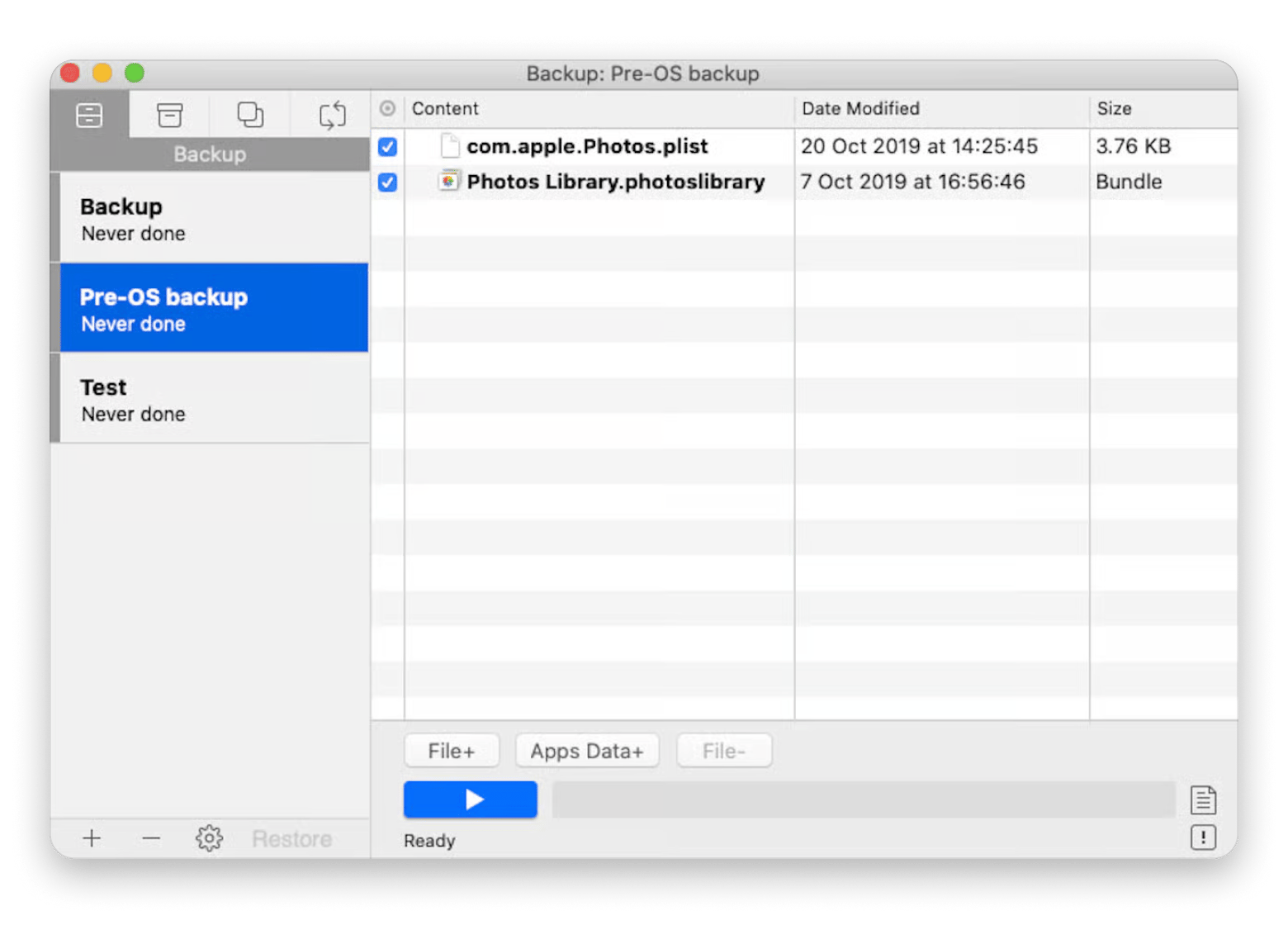
If you’re worried about losing something important, you can create a bootable backup of your drive before deleting Chrome with Get Backup Pro.
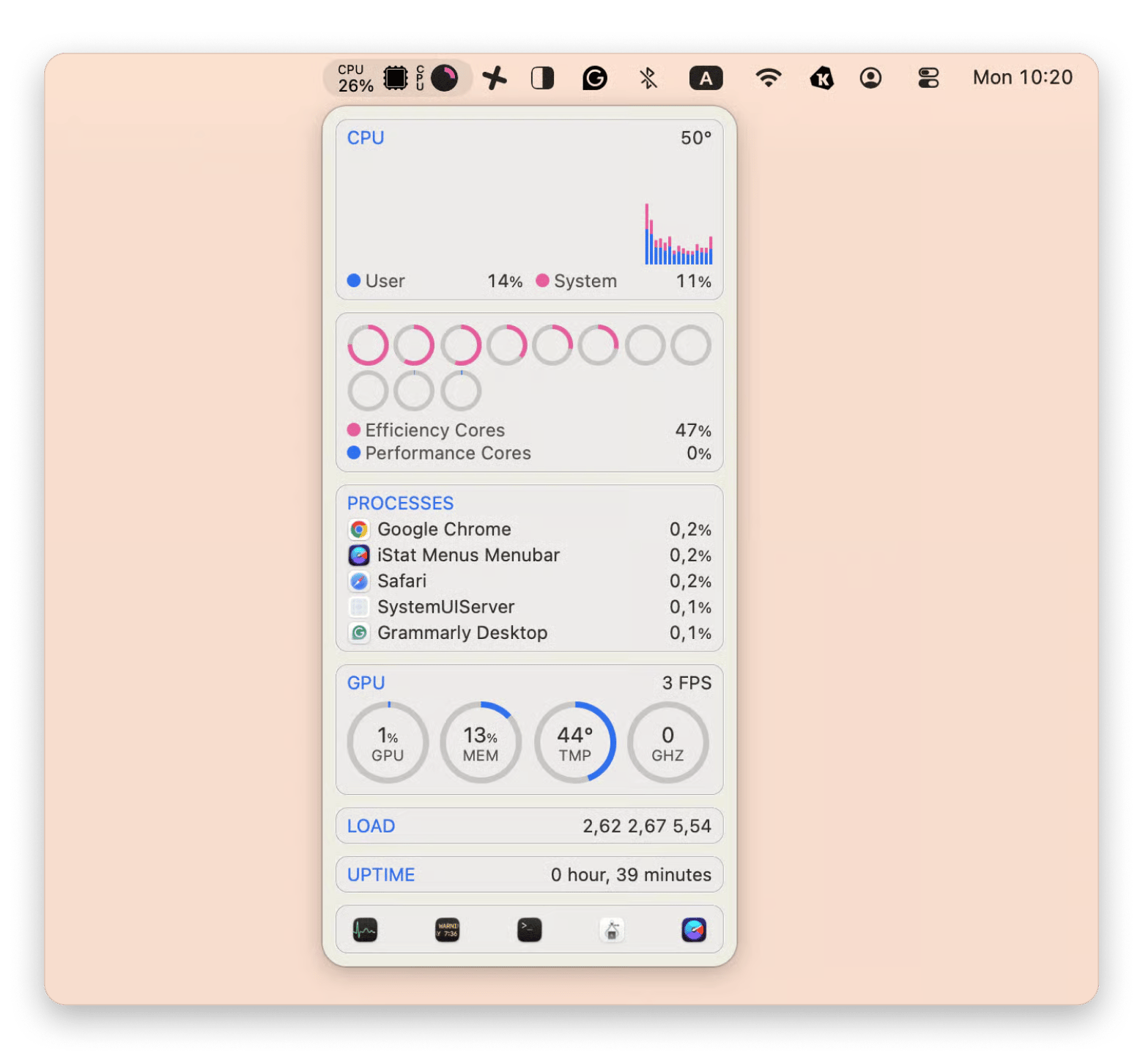
If you delete Chrome because of excessive CPU consumption, consider installing iStat Menus. It will help you control the CPU from the menu bar.
I'll cover these tools in detail below.
How to uninstall Google Chrome with one click
While you can delete Chrome manually, macOS doesn’t remove all the supporting files the browser leaves behind — things like caches, cookies, saved logs, browsing data, background services, and hidden folders in the Library. That means you’ll need to find them one by one to clean them up.
I usually skip the manual hunt for leftovers and use CleanMyMac. It handles all of this automatically.
Before you start deleting Google Chrome manually, I'd suggest backing up your Mac to an external drive.
Get Backup Pro is a solid backup manager that I've found works well for this kind of task. This utility can save you from any data catastrophe by offering a mix of backup methods for any scenario. You can create a simple copy, clone, or do an incremental or versioned backup. Once saved, you can recover data on the fly as well, and not just to your Mac — to any computer, even without Get Backup Pro.
Here's how to manually uninstall Google Chrome on Mac after the backup:
Quit your Google Chrome app.
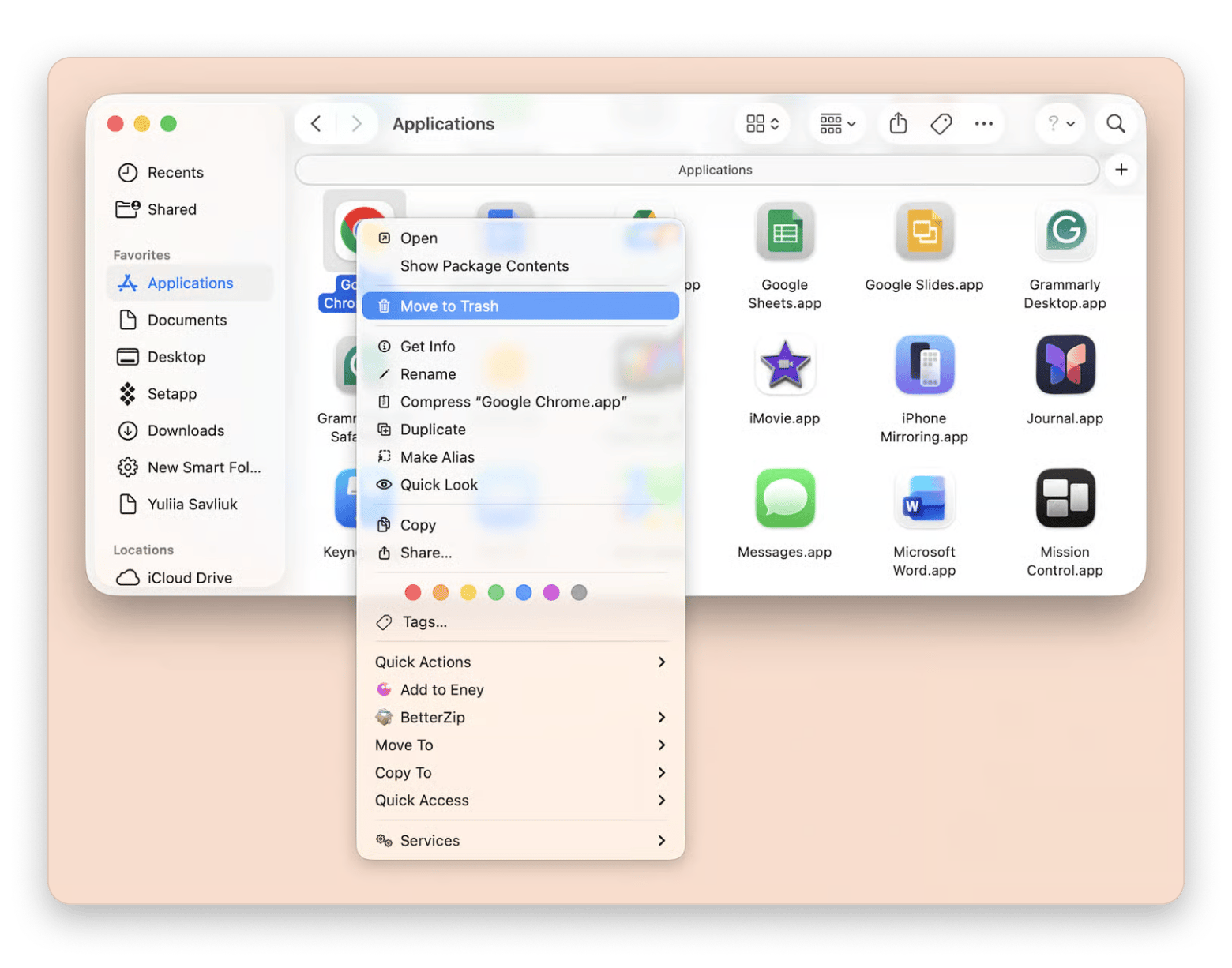
Go to Finder > Applications.
Find Google Chrome > Right-click and choose Move to Trash or use the Command + Delete shortcut.
Right-click on the Trash icon and choose Empty Trash.
This removes the main application.
Next, delete Chrome leftovers. These folders can contain hundreds of megabytes of cached data and preferences that won't disappear with the basic uninstall.
To remove them, follow these steps:
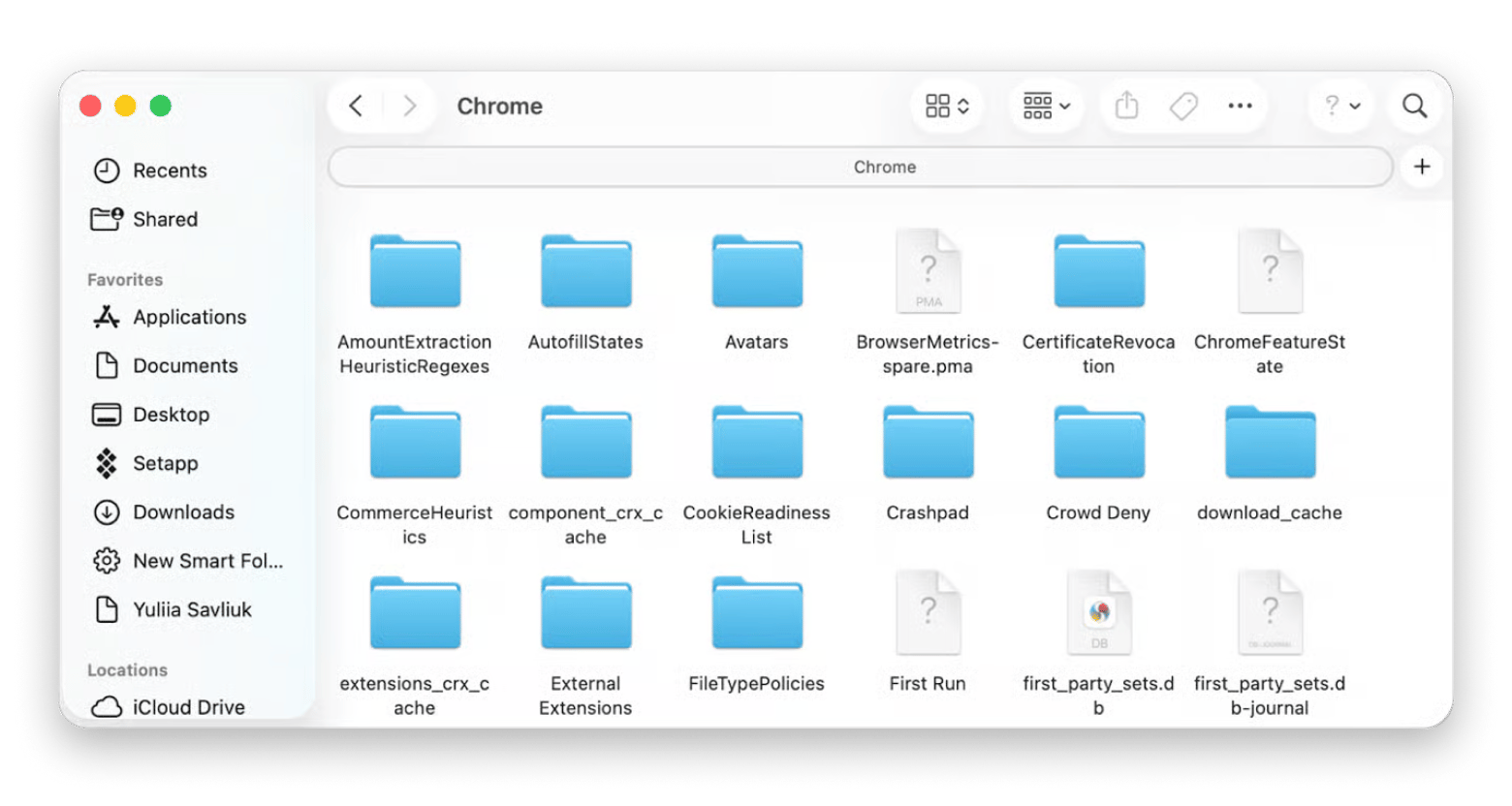
In Finder, press Shift + Command + G and type in ~/Library/Application Support/Google/Chrome > Press Return.
Select everything in that folder and move it to the Trash.
If you removed Chrome because it was putting too much pressure on your system, a monitoring tool like iStat Menus can help you stay ahead of these issues.
iStat Menus is one of the most comprehensive Mac monitoring utilities. Always visible in your menu bar, it gives you real-time insights into CPU load, memory usage, network activity, disk performance, temperature sensors, battery health, and more.
With this level of visibility, it’s easy to spot when Chrome (or any other app) starts consuming more resources than it should. I rely on it to catch spikes early and shut down problem apps before they slow down my entire system.
Why remove Chrome from your Mac?
You might be wondering why you'd want to remove Chrome when it's such a popular browser. Here are a few reasons people consider uninstalling it:
You like other browsers more. Although Chrome is pretty flexible, it still dictates a certain way of doing things, which you might like less than the UX of other browsers, such as Safari or Firefox. Check out the Safari vs. Chrome comparison.
You find your Chrome version to be buggy. It’s not uncommon for Chrome to start consuming more than 100% of your CPU or completely stall on a task.
You need to reset your macOS. Sometimes you want to delete all third-party apps and bring your Mac back to its original state.
You want to sync with iOS devices. Even though Chrome has an iOS version as well, it’s really Safari with a Chrome wrapper around it. Switching to Safari on both Mac and iOS would offer more syncing possibilities.
You’re conscious of privacy. Being an advertising company, Google doesn’t have a stellar reputation when it comes to privacy. Switching to a more private browser is definitely an option. For more details on what Google collects and how your data is used, see the Google Privacy Policy.
Uninstall Chrome and optimize your Mac
So there you have it — you can uninstall Chrome automatically with CleanMyMac or manually, in which case you have to be careful not to delete anything extra, and ideally back everything up in Get Backup Pro. If you’re about to reinstall Google Chrome later, make sure to keep an eye on it with iStat Menus for the best Mac performance.
Lastly, if you use more than one browser on your Mac, consider installing Tab Finder for easier navigation between tabs.
Best of all, CleanMyMac, iStat Menus, Get Backup Pro, and Tab Finder are available on Setapp, a platform with 270+ best-in-class macOS and iOS apps that can transform your Mac into a power machine. Try every Setapp app free for 7 days and see how fast your Mac can really be.
FAQ
Why can't I move Google Chrome to the Trash on my Mac?
Chrome is probably still running in the background. Quit the browser, then open Finder > Applications > Utilities > Activity Monitor. Type "Chrome," select every Google Chrome process, and click Quit Process. Now drag Chrome to the Trash.
How do I completely remove Chrome and all its leftover files?
Quit Chrome first. Drag Google Chrome from Applications to Trash. Press Shift + Command + G in Finder and go to ~/Library/Application Support/Google/Chrome. Choose everything and trash it. Empty the Trash to finish the permanent uninstall.
Will uninstalling Chrome delete my bookmarks and passwords?
Deleting Chrome's support files erases local data. If you were signed in with sync enabled, Google keeps copies in your account. Sign in to Chrome elsewhere to retrieve that data, or manage it from Google Account > Data & privacy > Chrome data.
What's the quickest way to uninstall Chrome automatically?
Open an uninstaller tool like CleanMyMac (available on Setapp). Select Google Chrome in the app list, click Uninstall, and the app removes Chrome and all related files in one step.
How can I reset Chrome on Mac without uninstalling it?
Open Chrome and go to Settings > Reset settings > Restore settings to their original defaults. This clears extensions, search engines, and cookies but keeps your bookmarks and passwords. Use it when the browser misbehaves and you don't want to remove it entirely.
All-mighty Mac system monitor
Control CPU, memory, and whatnot with iStat Menus app.






 Best solution
 Best solution