Use TextEdit for a quick file: Open TextEdit, choose File > New, then File > Save and pick Desktop as the location.
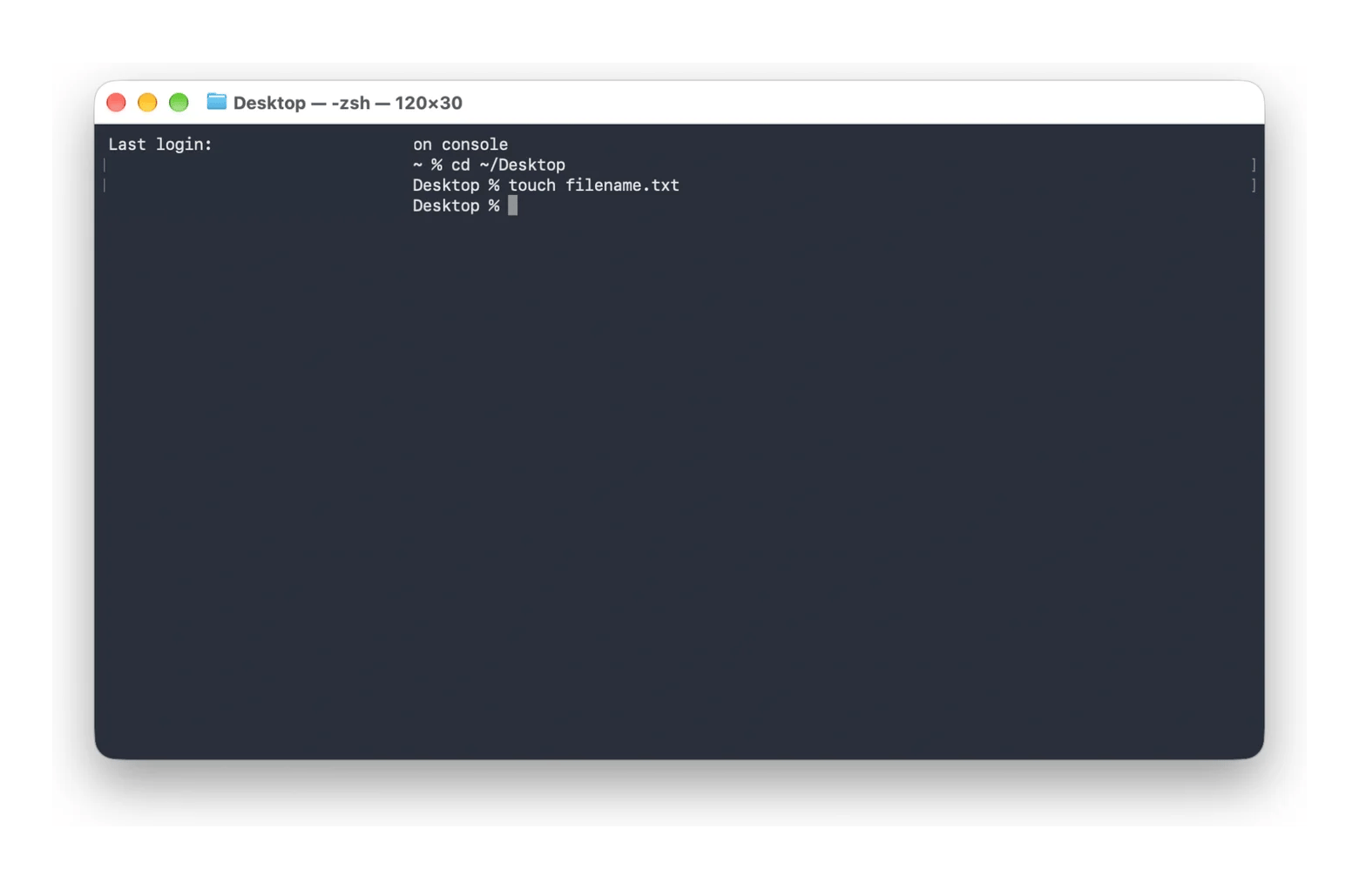
Make a blank file with Terminal: Run cd ~/Desktop, then touch filename.txt to create an empty file instantly.
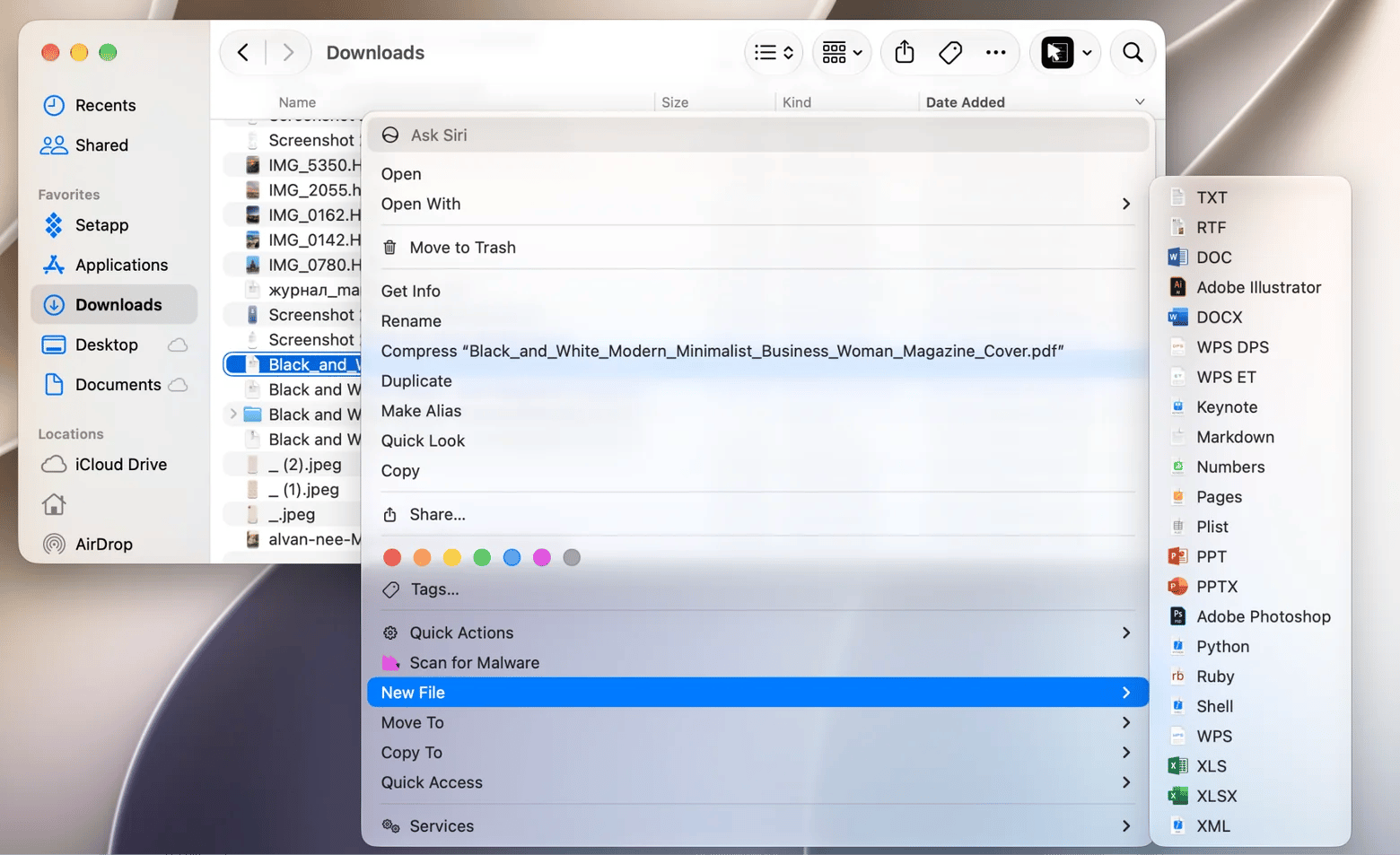
Get a New File option in Finder: Finder can’t make blank files, but iBoysoft MagicMenu adds New File to the right-click menu, and Commander One creates files from its File menu.
Keep new files organized:Unclutter clears your desktop, and Default Folder X puts recent folders in every Save dialog.
Your desk may be spotless, but your Mac desktop tells a different story: untitled documents, random downloads, and files lost in Finder. The fastest way to create a file on Mac is TextEdit: open it, choose File > New, add your text, and choose File > Save. As a freelance writer, I create files all day, so I’ll also cover Finder, Terminal, Word, and the apps that keep new files organized.
*Setapp is a curated platform for 300+ Mac, iOS, and web apps.
How to create a new file on your Mac desktop with TextEdit
The quickest built-in way to create a file on Mac is TextEdit, the free text editor that comes with macOS. Apple also covers this workflow in its guide to creating and working with documents on Mac.
Here’s how to make a new file on Mac using TextEdit:
Open Finder > Applications, then double-click TextEdit.
Choose File > New in the menu bar.
Add your text, then choose File > Save.
Choose Desktop as the save location and name your file.
Click Save.
The new file will now appear on your desktop. TextEdit saves new files as Rich Text Document (.rtf) by default. If you need a plain .txt file, choose Format > Make Plain Text before you save.
How to make a new file in Finder on Mac
Finder can’t create a blank file on its own. Right-click inside a folder and you’ll only see New Folder. To make a new document, you normally open an app like TextEdit or Pages, choose File > New, and save the file where you need it.
macOS 27 adds one useful exception. Copy some text or an image, click inside a Finder window, and press Command-V. Finder saves the clipboard contents as a new file: a .textClipping for text, or an image file for pictures.
If you want a real New File option in Finder’s right-click menu, iBoysoft MagicMenu adds one. Right-click inside any folder or on the desktop, choose a file type such as TXT, DOCX, XLSX, PAGES, or KEY, and the blank file appears right there.
Create files with Commander One
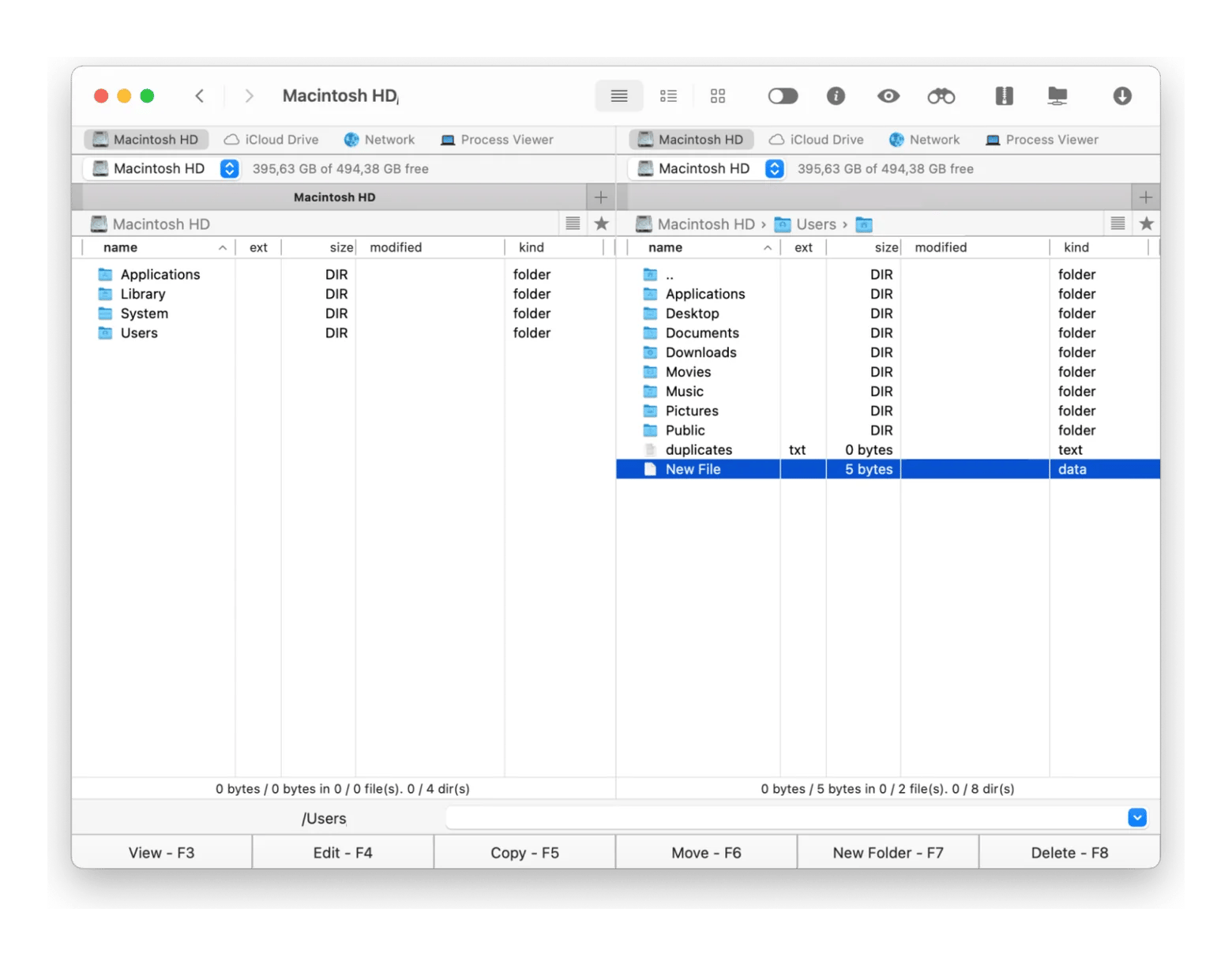
I wanted a file manager that could create files without the extra trip to TextEdit. That’s when I found Commander One, a dual-pane file manager for Mac.
Commander One shows two folders side by side, so you can create a file in one pane and move it to the other. You can also set custom hotkeys and show hidden files. Brief Mode lets you view and manage many files at once.
Here’s how to create files using Commander One:
Install and open Commander One.
Choose File > New File in the menu bar.
Give the file a name, then click OK.
Add your text, then close the TextEdit window. The file will automatically appear in the Commander One pane.
Drag and drop the file into the folder you need.
You can then manage the new file directly from either Commander One pane.
How to create a file on Mac using Terminal
Terminal creates an empty file with a single command, no app required. It gives you direct access to your Mac’s command-line interface, and it’s more approachable than it looks.
Here’s how to create a Mac file using Terminal:
Open Finder > Applications > Utilities > Terminal.
Type cd ~/Desktop and press Return. This command changes the directory to your desktop.
Type touch filename.txt, replacing filename with your desired file name, and press Return.
The new blank file will appear on your desktop. To rename it, right-click the file and choose Rename. If you’d rather work in a friendlier command-line app, the guide to Terminal alternatives for Mac compares the best options.
Microsoft Word and Excel create new files from their File menu, and you can save them as DOCX, XLSX, or PDF.
Here’s how to do this using Word:
Open Microsoft Word on your Mac.
Choose File > New Document, or click Blank Document in the gallery.
Add your content, then choose File > Save As.
Name the file, select Desktop or another location, choose a format such as Word Document (.docx) or PDF, and click Save.
Your new Word document will be saved in the location you selected. The steps in Excel are the same: choose File > New Workbook, add your data, then choose File > Save As and pick a format such as Excel Workbook (.xlsx).
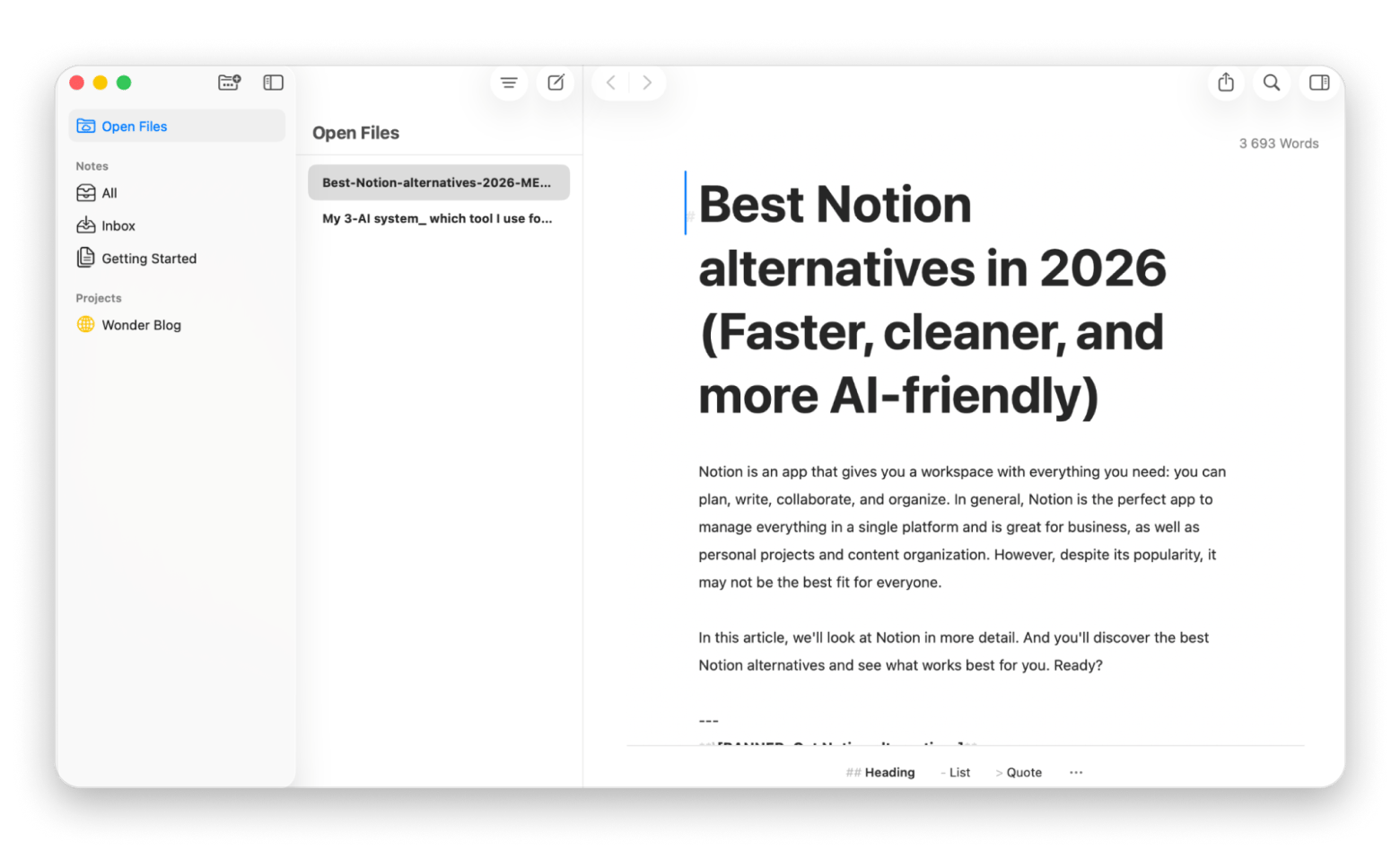
Tip: For anything I write rather than format, I start in Ulysses instead of Word. A new sheet opens to a clean, distraction-free page, and Ulysses automatically saves my changes as I type, so I no longer worry about losing drafts because I forgot to press Command-S. With iCloud sync enabled, I can start an idea on my Mac and pick it up on my iPhone on the train.
One thing that confused me at first is that a new sheet doesn’t appear as a regular file in Finder. Ulysses stores drafts in its own library until you export them. When a piece is ready, I can export it as DOCX for clients or PDF for sharing in just a few steps. If you prefer working with files that are accessible directly in Finder, you can add an external folder to Ulysses and write there instead.
Quick recap: the fastest ways to create a file on Mac
For most people, the fastest way to create a file on Mac is TextEdit: choose File > New, then File > Save. Terminal’s touch command makes a blank file instantly, and Word or Excel handle documents and spreadsheets. Finder can’t create a blank file on its own, but iBoysoft MagicMenu adds a New File option to its right-click menu.
To keep new files organized, I rely on Unclutter for the desktop and Commander One as a Finder alternative that creates files in any folder. Ulysses is my pick for writing. Default Folder X and BetterTouchTool take the extra clicks out of saving and creating the files you make every day.
Open TextEdit, choose File > New, add your content, and choose File > Save. Select Desktop as the location, name the file, and click Save. To keep desktop files tidy afterward, Unclutter stores them in a hidden panel at the top of your screen.
How do I create a Word file on a Mac?
Open Microsoft Word and choose File > New Document, or click Blank Document. Add your content, choose File > Save As, name the document, select a location, and click Save. If you prefer distraction-free writing, Ulysses can export drafts as Word files.
How do I create a .txt file on a Mac?
Open TextEdit, choose TextEdit > Settings, and select Plain text under Format in the New Document tab. Then choose File > New, add your text, and choose File > Save. You can also type touch filename.txt in Terminal to create an empty .txt file.
Can you right-click to create a new file on Mac?
Not by default, because Finder’s right-click menu only offers New Folder. iBoysoft MagicMenu adds a New File option for formats such as TXT, DOCX, and XLSX. Commander One can also create files from its File menu.
Superpowers for your Mac
Tackle your tasks with dozens of helpful apps on Setapp.






 Best solution
 Best solution