PDF Squeezer gives you the best compression on Mac and iPhone. It reduced test files by up to 92% with minimal quality loss, works entirely offline, and handles batch processing, making it the top pick for most users.
Built-in macOS tools work, but with trade-offs. Preview and ColorSync Utility are free and convenient, but they cap out around 64% compression and noticeably degrade image quality — best for text-only PDFs.
Scanned PDFs compress better when captured smartly. Scanning with Prizmo at 150 DPI instead of 300 DPI can cut file size by up to 70% before you need any compression tool.
Online compressors are handy but come with privacy risks. Tools like Adobe's free compressor or Smallpdf deliver solid results, but they upload your file to third-party servers. Avoid them for sensitive documents.
After testing various PDF compression methods, I've found that specialized PDF apps consistently outperform built-in macOS utilities when quality matters. But free tools have their place too, especially for quick, one-off compressions where perfection isn't critical.
Here's a summary of the compression methods I tested, showing real-world results from test files:
*Setapp is a platform with 300+ apps for macOS, iOS, and web. Try it free for 7 days.
Compress PDFs on iPhone with PDF Squeezer
The iPhone's built-in compression feature is misleading. When you long-press a PDF in Files and tap Compress, it creates a ZIP file rather than actually reducing the PDF size. My 7.3 MB test file became a 7.1 MB ZIP.
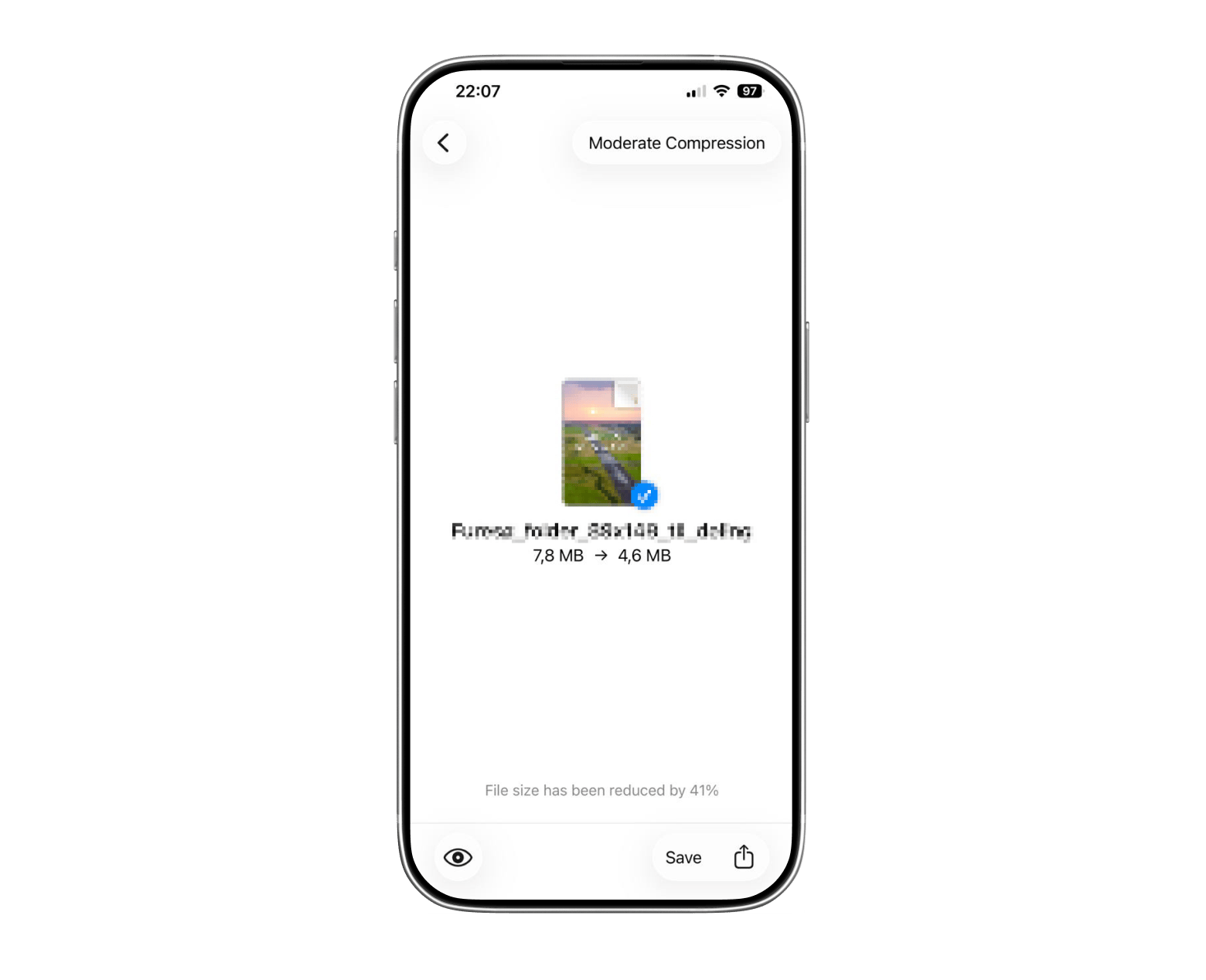
For real compression on the iPhone, I use PDF Squeezer from Setapp. It works offline, protects your privacy, and achieves up to 83% compression. In my tests, Moderate mode compressed files by 41% while Strong mode hit 83%.
To compress PDFs with PDF Squeezer on iPhone:
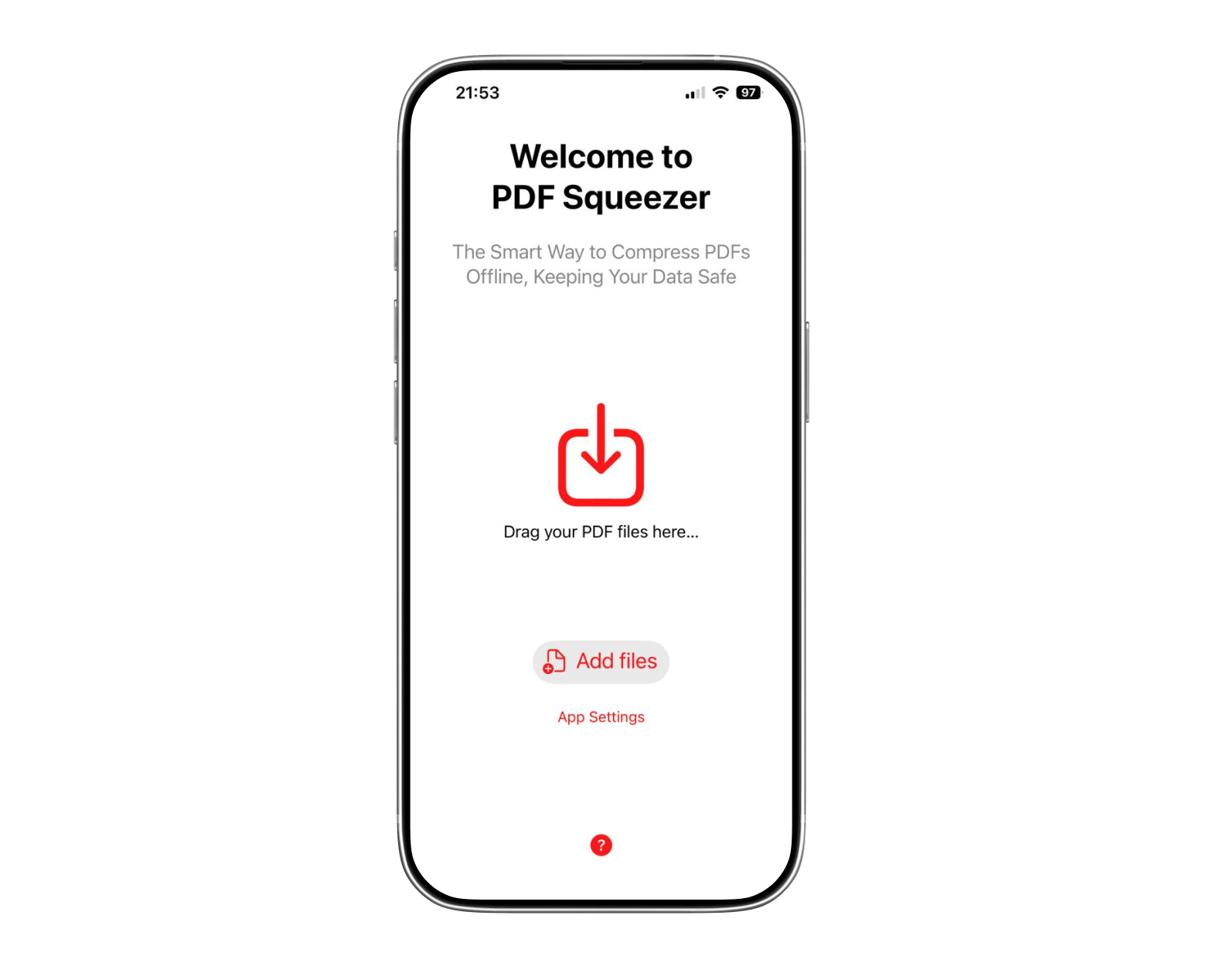
1. Install and open PDF Squeezer.
2. Tap Add files > Files.
3. Select your PDF from Files > Tap Open.
4. Wait for automatic compression to complete.
The app defaults to Moderate compression, but you can switch to Light for minimal quality loss or Strong for maximum size reduction. Your compressed file saves directly to your device; no cloud uploads required.
Compress a PDF on Mac with PDF Squeezer
PDF Squeezer delivers the best compression-to-quality ratio I've found on Mac. It handles entire folders at once, preserves password protection, and keeps images sharp. The app works entirely offline, so sensitive documents never leave your Mac.
Here's how to compress PDFs with PDF Squeezer on Mac:
1. Install and open PDF Squeezer on your Mac.
2. Drop your PDF into the app window.
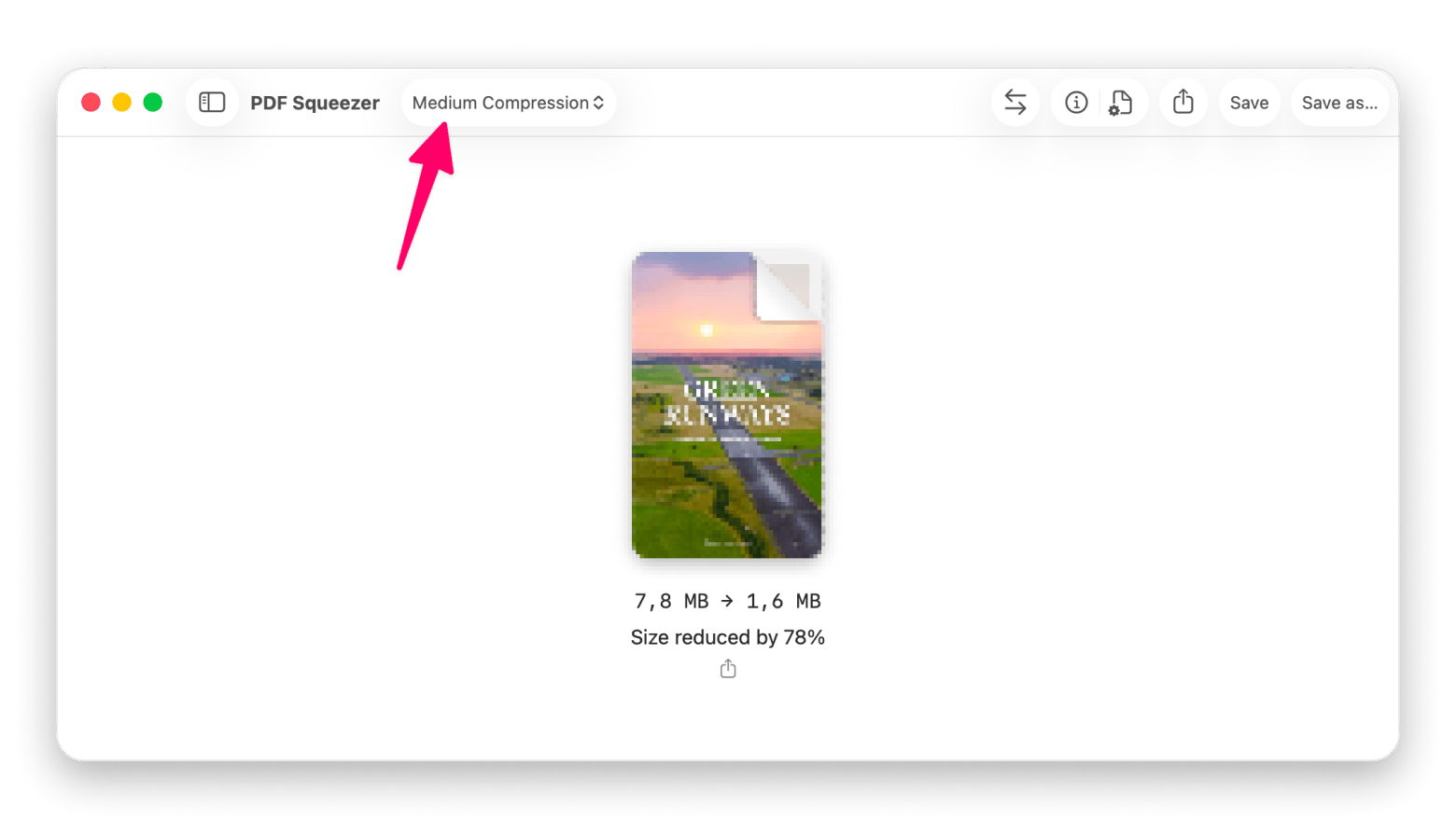
3. Choose your compression level from the drop-down (Light, Medium, or Strong).
4. Click Save to export your compressed file.
In my testing, medium compression reduced a 7.8 MB file to 1.6 MB (78% reduction) with minimal quality loss. The app includes advanced tools such as extracting images and text. Look for the "i" and paper icons in the top-right corner.
Or buy PDF Squeezer as a standalone app on Setapp Marketplace.
Compress scanned PDFs with Prizmo and Nitro PDF Pro
Scanned PDFs are notoriously large because scanners capture pages as high-resolution images at 300 DPI. That's far more resolution than any screen needs.
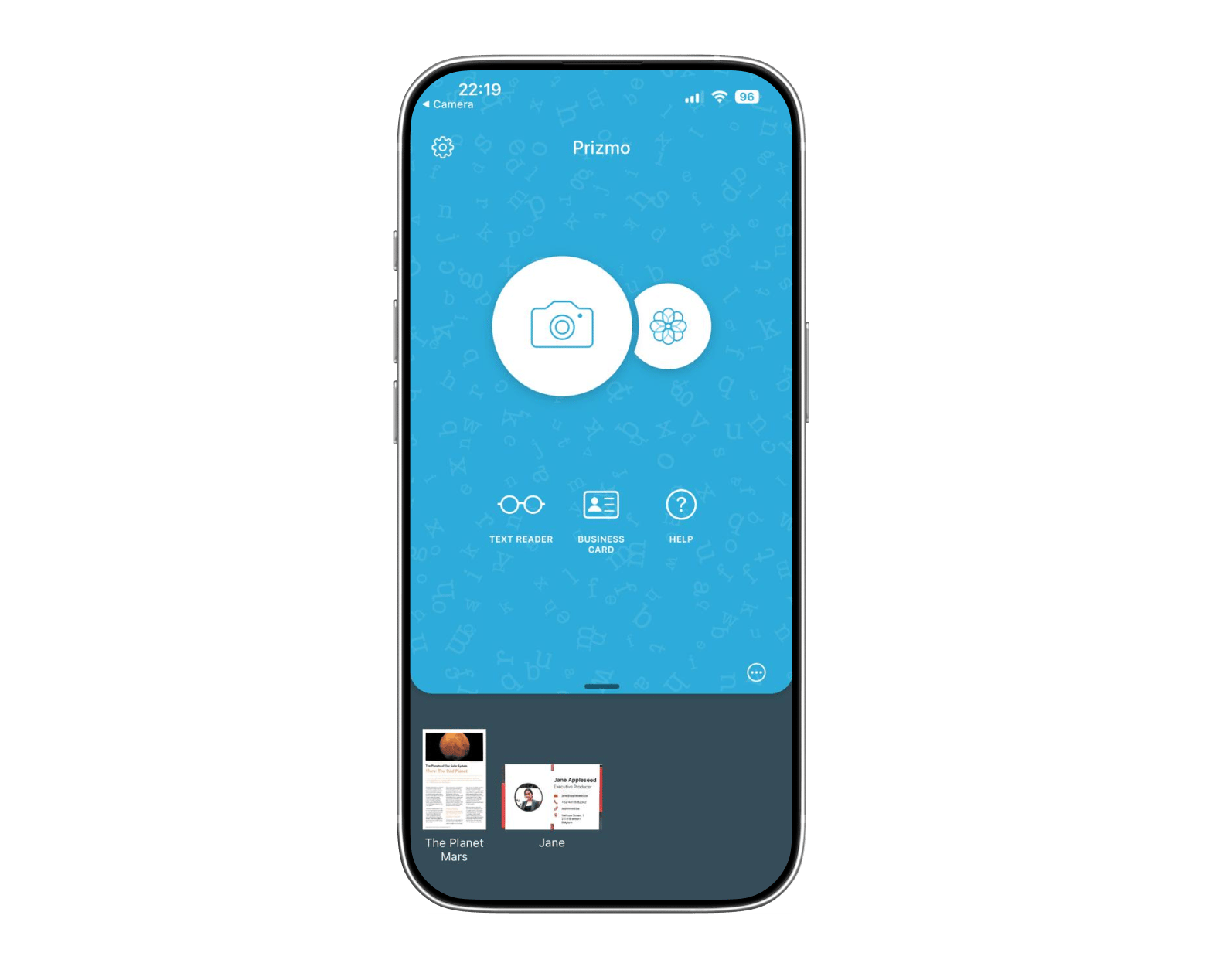
I prevent this problem by scanning with Prizmo from Setapp instead of traditional scanners. Prizmo uses your iPhone as a scanner and optimizes file size during capture. As long as your devices share the same Wi-Fi, you can snap a photo, and Prizmo converts it to a clean, compact PDF without watermarks.
If you're not sure how to set up scanning on your Mac, here's how to scan a document on Mac using Prizmo and other tools.
Nitro PDF Pro offers another solution for existing scanned PDFs. It imports directly from scanners or iPhones and includes comprehensive PDF tools beyond compression.
To reduce scanned PDF size with Nitro PDF Pro:
1. Install and open Nitro PDF Pro.
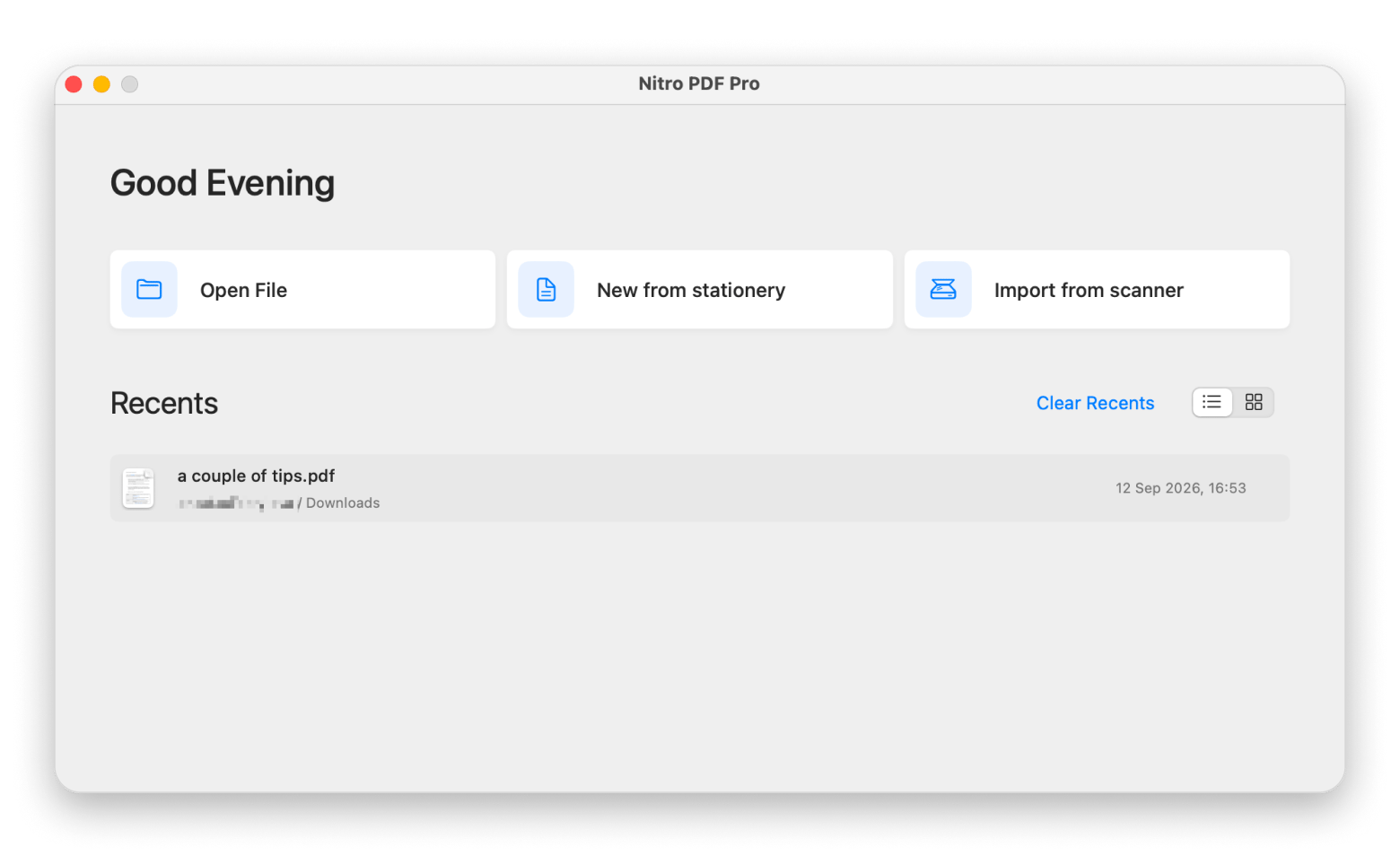
2. Click Open File.
3. Choose your scanned PDF > Click Open.
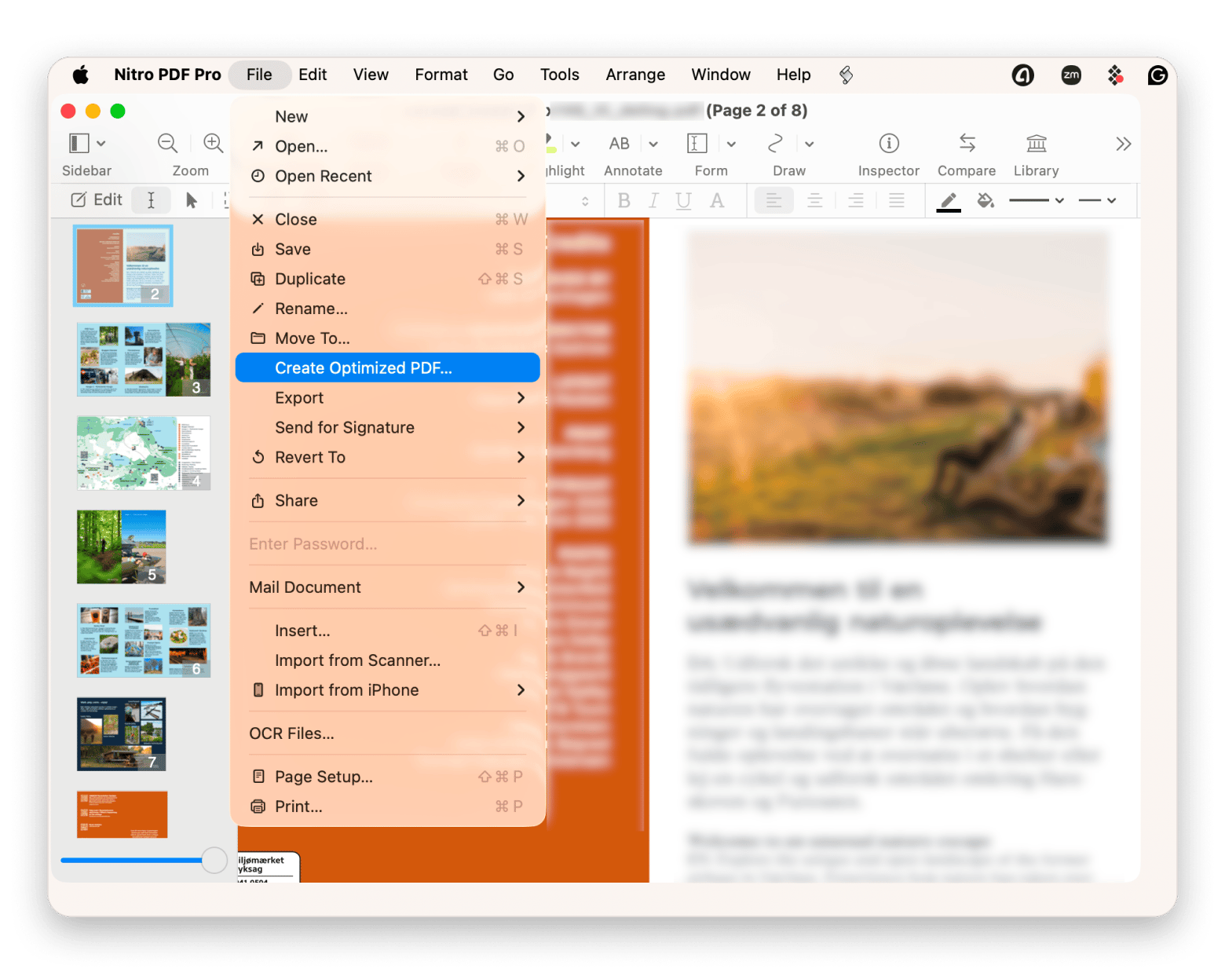
4. Go to File > Create Optimized PDF.
5. Choose your optimization settings > Click Optimize.
6. Click OK on the results notice.
7. Go to File > Save to save your optimized PDF.
The app intelligently optimizes images while preserving text clarity and document structure.
The file size went from 6.5 MB to 1.3 MB (83% compression). Images lost a little sharpness but stayed professional-looking.
Both Nitro PDF Pro and Prizmo are available on Setapp with a 7-day free trial, so you can try both of them to see which one works best for you.
Reduce PDF file size with Preview
Preview, macOS's built-in PDF viewer, includes basic compression. While not ideal for image-heavy documents, it works adequately for text-based PDFs.
To compress PDF files with Preview:
Open your PDF in Preview (double-click the file).
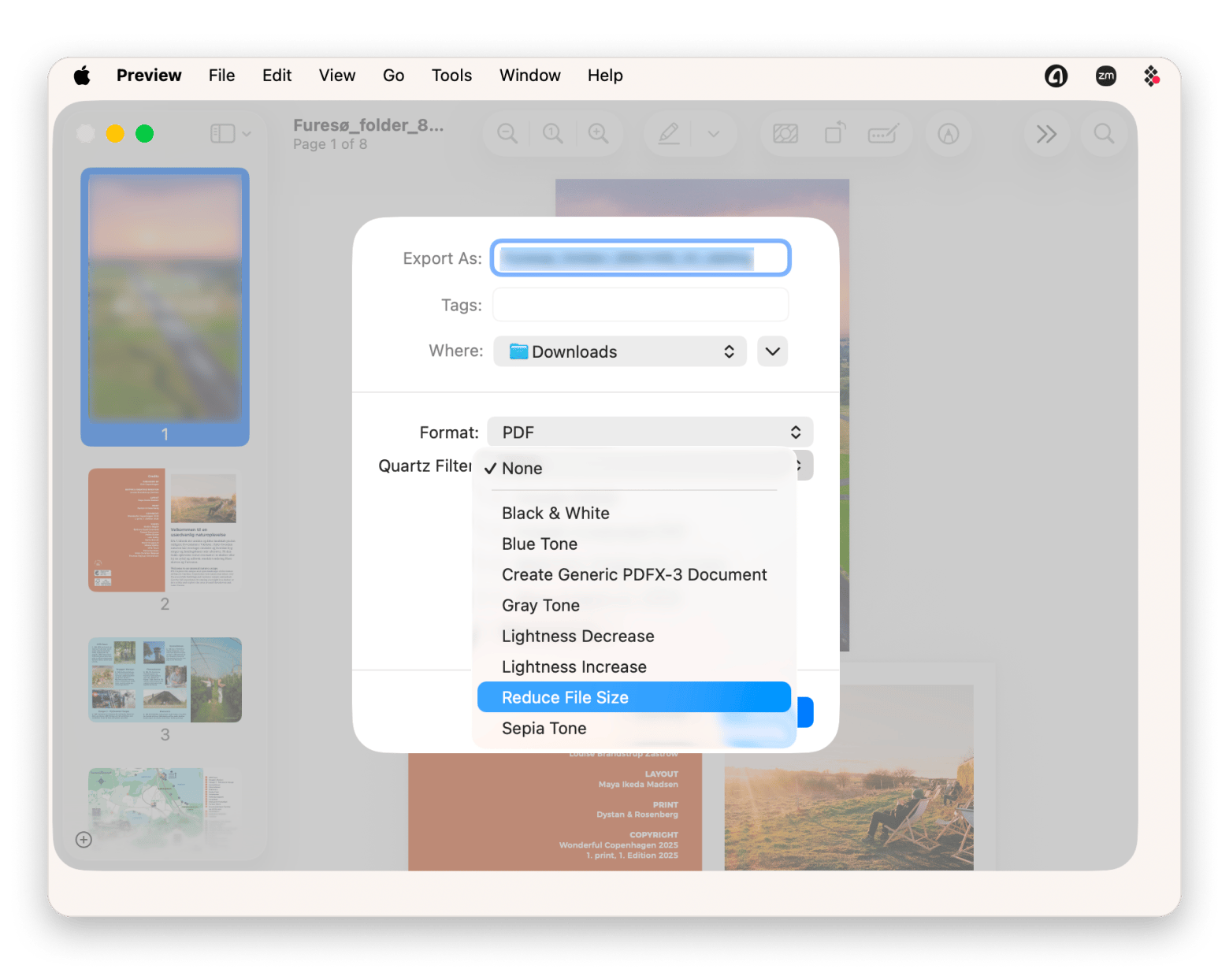
Go to File > Export.
Choose PDF from the Format drop-down.
Choose Reduce File Size from the Quartz Filter drop-down.
5. Choose your save location and click Save.
Preview's compression is conservative but preserves text readability well. The file size reduced from 7.8 MB to 2.8 MB (64% reduction). Image quality dropped noticeably.
Decrease PDF size with ColorSync Utility on Mac
ColorSync Utility offers another free compression option built into macOS. Like Preview, it compresses by reducing image quality, making it unsuitable for documents where visuals matter.
To use ColorSync Utility:
Open ColorSync Utility from Applications > Utilities.
Go to File > Open and choose your PDF.
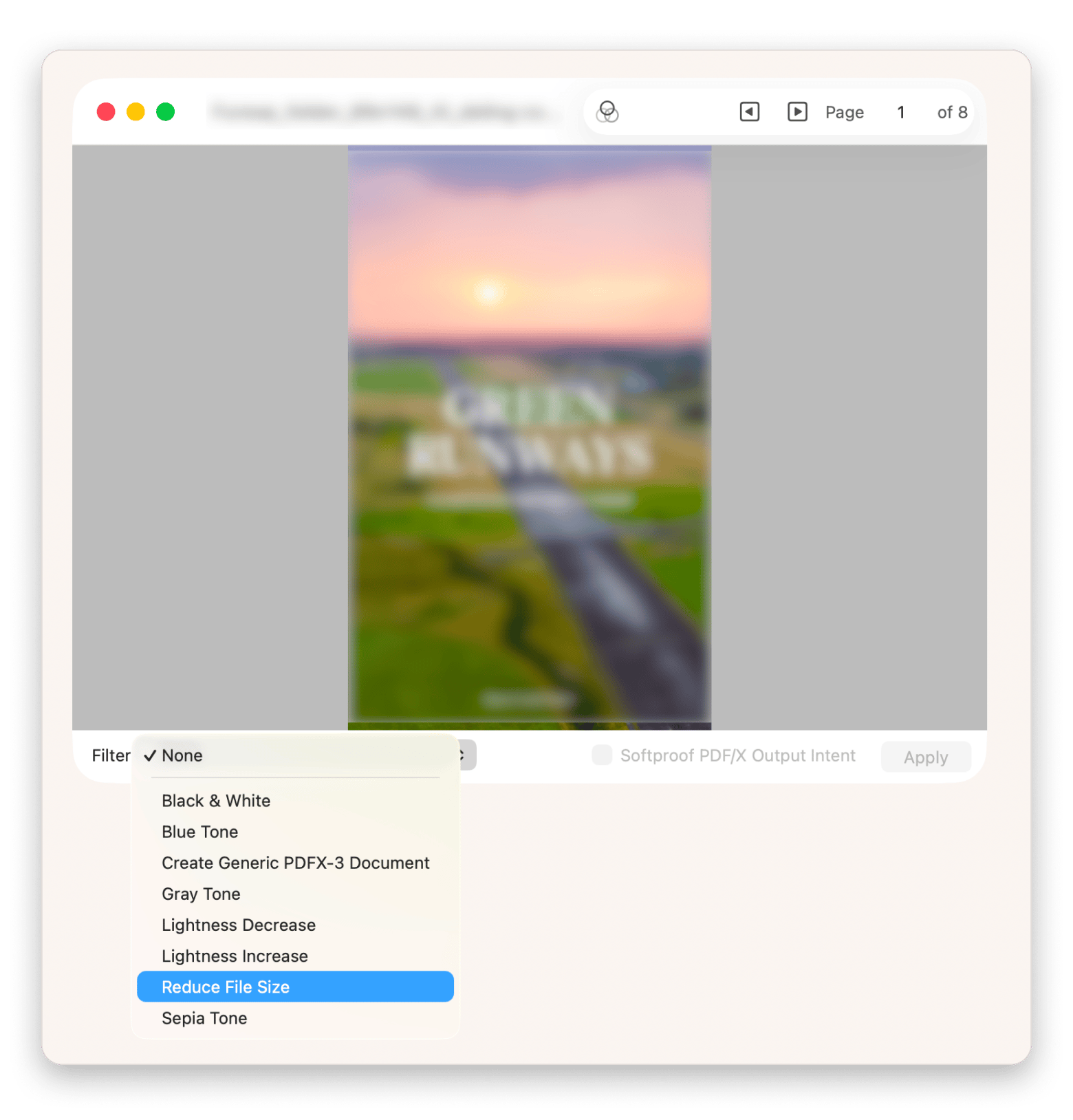
Choose Reduce File Size from the Filter drop-down
4. Click Apply.
5. Go to File > Save to export your compressed PDF.
The file size reduced from 7.8 MB to 2.8 MB (64% compression). Image quality loss was noticeable, similar to Preview.
ColorSync provides slightly different compression algorithms than Preview, sometimes yielding better results for specific file types.
Compress PDFs online with Adobe Acrobat's free tool
Adobe offers a free online PDF compressor that delivers impressive results. Unlike many online tools, Adobe's compressor maintains good image quality while significantly reducing file size.
Click Select a file or drag your PDF into the window.
Choose your compression level (High, Medium, or Low).
Click Compress and wait for processing.
Download your compressed file.
In my test, Adobe's tool achieved 77% compression (from 7.8 MB to 1.8 MB) while maintaining surprisingly good image quality.
Reduce PDF file size in Acrobat Pro
Adobe Acrobat Pro offers the most comprehensive PDF compression features, though it comes with a steeper learning curve and paid subscription. The software provides precise control over compression settings and batch processing capabilities.
To compress PDFs in Acrobat Pro:
Open Adobe Acrobat Pro.
Click All Tools > Optimize PDF.
Choose your PDF file.
Click Reduce File Size in the top toolbar.
Name your file and choose a save location.
Click Save.
Acrobat Pro excels at maintaining quality while achieving substantial compression, making it popular for professional workflows.
Quick tips for compressing PDFs
Smart compression starts before you hit the compress button. These strategies help minimize file size from the start:
Optimize images before adding them to PDFs using an app like Squash from Setapp for precise control. I use it to reduce image size, compress images, or apply color correction and filters. You can test Squash with Setapp free trial, too.
Remove unnecessary pages to focus on essential content.
Use Print to PDF or Export to PDF options to re-save and reduce size.
Scan at appropriate resolution: 150 DPI for screen viewing, 300 DPI only for printing.
Convert to an editable format first with Prizmo, then export back to PDF for smaller files.
Reduce PDF file size without losing quality
After testing numerous compression methods, two solutions consistently deliver the best balance of size reduction and quality preservation: PDF Squeezer and Adobe Acrobat.
Remember that compression isn't always necessary. You can reduce file size during document creation by:
Using Prizmo instead of traditional scanners to avoid bloated scanned PDFs
Optimizing images with Squash before adding them to your document
Compressing existing PDFs with Nitro PDF Pro before finalizing
Trimming content with PDF Search to keep only essential pages
These preventive measures often eliminate the need for aggressive compression later.
PDF Squeezer, Prizmo, Squash, Nitro PDF Pro, and PDF Search are all available on Setapp — one subscription gives you access to 300+ apps for Mac and iPhone, starting from $14.99 USD/mo + tax. Start your free 7-day trial and put all five to work today.
FAQ
What is PDF and why is it so popular?
PDF stands for Portable Document Format. Adobe created it so files keep their fonts, images, and layout across devices and operating systems. Because nothing shifts, PDFs are perfect for sharing contracts, reports, and manuals. The downside: high-resolution images inside PDFs can make files heavy and harder to send.
How can I reduce PDF size?
Three main approaches work well: use Preview on Mac for basic compression (File > Export > Reduce File Size), try PDF Squeezer for better quality retention and batch processing, or upload to free online tools if the file isn't sensitive. Each method trades some quality for smaller size.
Does compressing a PDF reduce its quality?
Yes, compression always involves some quality trade-off. Light compression (10-30% reduction) barely affects quality. Medium compression (50-70%) may show slight image degradation. Heavy compression (80%+) noticeably reduces image quality but keeps text readable. Choose based on your document's purpose.
Can I compress several PDFs at once?
PDF Squeezer processes entire folders automatically — just drop a folder into the app. Adobe Acrobat Pro also supports batch compression with its AutoBatch plug-in. Online tools typically handle one file at a time unless you pay for premium features.
Is it safe to use an online PDF compressor?
Free online compressors upload your files to their servers, creating privacy risks for sensitive documents. Most delete files after processing, but policies vary. For confidential files, use offline tools like PDF Squeezer or built-in Mac utilities that process everything locally.
How do I shrink a scanned PDF without ruining the text?
Scan at 150 DPI for screen viewing instead of 300 DPI. Use OCR software like Prizmo to convert scanned images to searchable text, which compresses better. This approach can reduce file size by 70% while keeping text sharp and searchable.
Compress PDFs in a click
Get PDF Squeezer, one tool for all PDF size changes






 Best solution
 Best solution