iCloud Music Library syncs up to 100,000 songs across all your Apple devices. When you enable Sync Library in the Music app, your entire collection becomes accessible on your Mac, iPhone, iPad, and HomePod without eating into your iCloud storage plan.
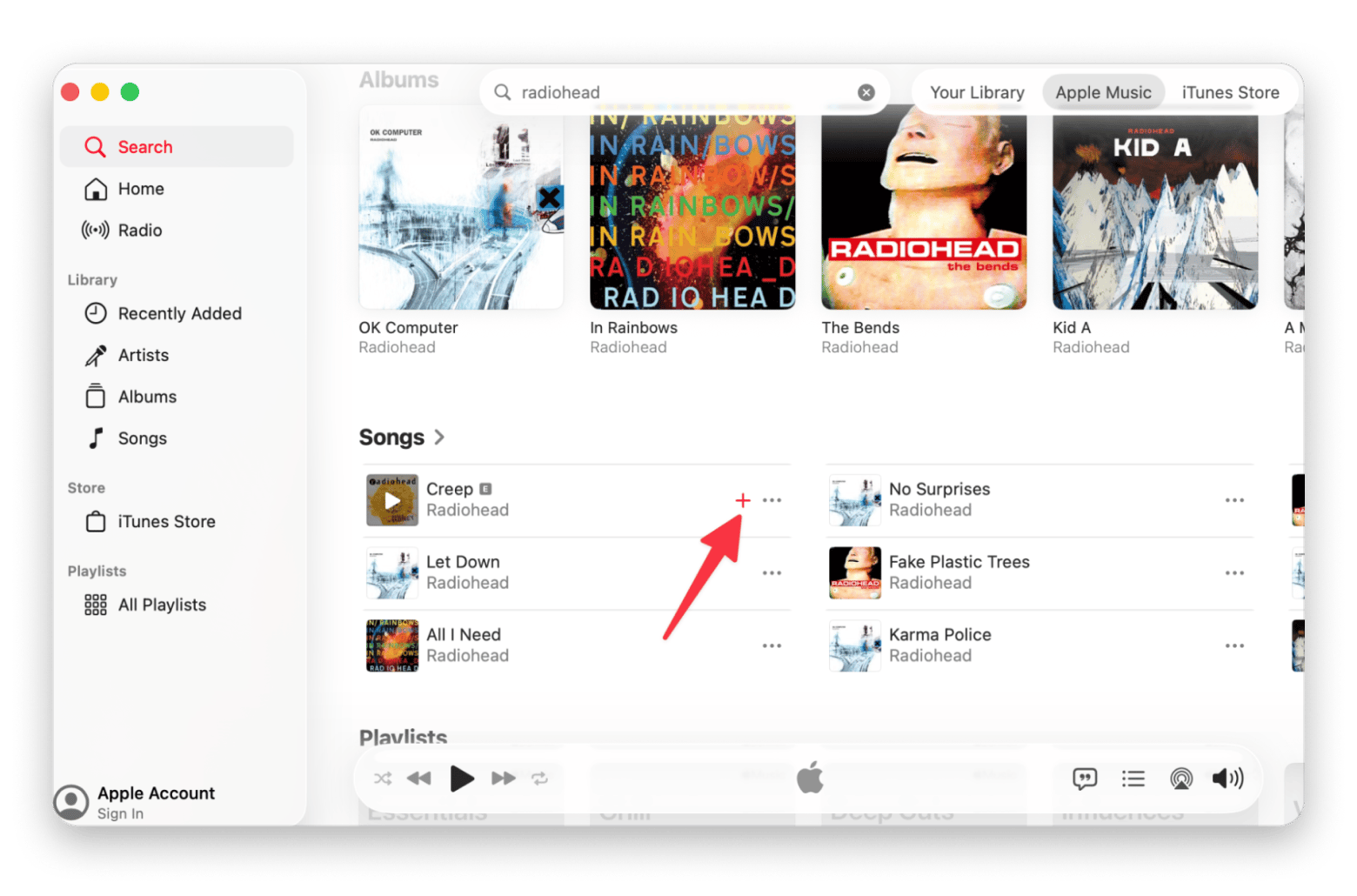
Add music by importing local files or using the + button in Apple Music. You can drag MP3s and other audio files directly into the Music app, or add tracks from Apple Music's catalog to build your cloud library.
Troubleshoot sync issues by checking your Apple Account and updating macOS. If songs aren't syncing, make sure you're signed in with the same Apple Account on all devices and running the latest software version.
Use View options to see which songs are stored locally versus in the cloud. The cloud icon with a downward arrow shows iCloud-only tracks, while locally stored songs have no icon.
Enhance your listening experience with Boom 3D and back up your library with AnyTrans for iOS. Both apps are available on Setapp, giving you access to a curated collection of top-quality Mac and iOS apps under one subscription. Get it with a seven day free trial.
If you’re like me and have built up an extensive music library on your Mac over the years, you’ve probably wondered about the best way to access it across all your devices.
Apple’s cloud music library, officially called iCloud Music Library (or Sync Library), lets you store, sync, and stream your entire music collection across your Mac, iPhone, iPad, and even HomePod.
Here’s how to get the most out of your cloud music library, keep your collection organized, and troubleshoot common issues, all with the latest macOS and Apple Music updates.
Add songs to iCloud Music Library
To add songs from iTunes or Apple Music to your iCloud library
Open the Music app on your Mac.
Find the song, album, or playlist you want to add.
Click the + button next to the song, or hover over it and click +, or drag it to your Library in the sidebar. Make sure to sign in to your account.
For local files (MP3s, etc.):
Open the Music app.
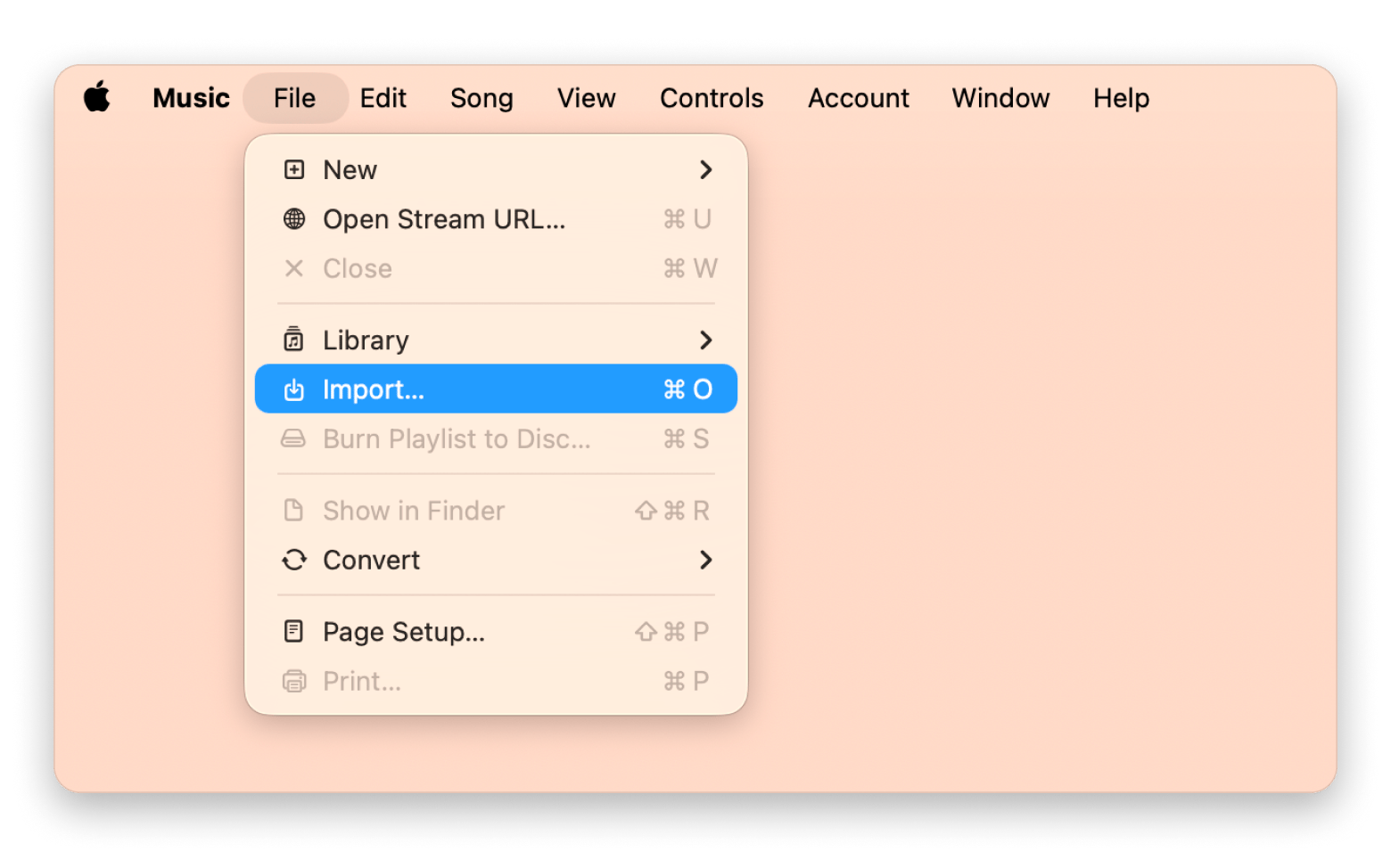
Go to File > Import.
Select your music files or folder and click Open.
If you’re using iTunes Match, your personal tracks (not available in Apple Music) will also be uploaded and matched. Also, learn more about how to back up iTunes to an external hard drive.
Find your local music on Mac
Once your music is in iCloud, you can play it from any Apple device. But if you want to see which songs are stored locally on your Mac:
Option 1:
Open the Music app.
In the sidebar, click Songs.
From the menu bar, choose View > Only Downloaded Music.
Option 2:
In the Music app, click Songs from the sidebar.
Go to View > Show View Options.
Check the iCloud Download box.
A cloud icon with a downward arrow means the song is only in iCloud. No icon means the track is stored locally. If a song is ineligible for iCloud Music Library, you’ll see a cloud icon with a slash.
Turn on iCloud Music Library
Your Mac automatically syncs your music library to iCloud once you enable Sync Library (iCloud Music Library).
Here’s how to turn it on:
Open the Music app (or iTunes on older systems).
From the menu bar, click Music > Settings (or iTunes > Preferences).
Under the General tab, select Sync Library (or iCloud Music Library).
Click OK.
If you don’t see the Sync Library checkbox, make sure, you’re signe in to your Apple account.
If you’re using iTunes Match:
Open the Music app or iTunes.
Go to Account > Sign In and log in with your Apple ID.
Subscribe to iTunes Match if you haven’t already.
Select Sync Library.
Click Add This Computer to upload and match your library
You can stream or download your music on up to 10 devices signed in with your Apple ID.
Turn off iCloud Music Library on Mac
Sometimes you need to disable iCloud Music Library. For example, you may worry about losing metadata if you lack a music collection backup, or you want to avoid syncing certain tracks.
To turn off iCloud Music Library:
Open the Music app (or iTunes).
Go to Music > Settings (or iTunes > Preferences).
Under General, deselect Sync Library (or iCloud Music Library).
Click OK.
Turning off Sync Library means your cloud music won’t be available on other devices, but you’ll still have access to any purchased iTunes Store content.
Troubleshoot common iCloud Music Library issues
The most frequent problem is iCloud Music Library not syncing correctly. If you’ve enabled Sync Library and your songs are missing, try these steps:
Check your Apple Account: Make sure you’re signed in with the same account on all devices.
Restart your Mac: Sometimes a simple restart triggers a sync.
Update macOS and Music app: Ensure you’re running the latest version of macOS (Sonoma, Ventura, etc.) and the Music app. Here’s how to update Mac in the right way.
If you don’t have a backup and your library is missing, contact Apple Support for help restoring your iCloud Music Library.
Update iCloud Music Library in iTunes
If your music library doesn’t update automatically, you can force a manual sync:
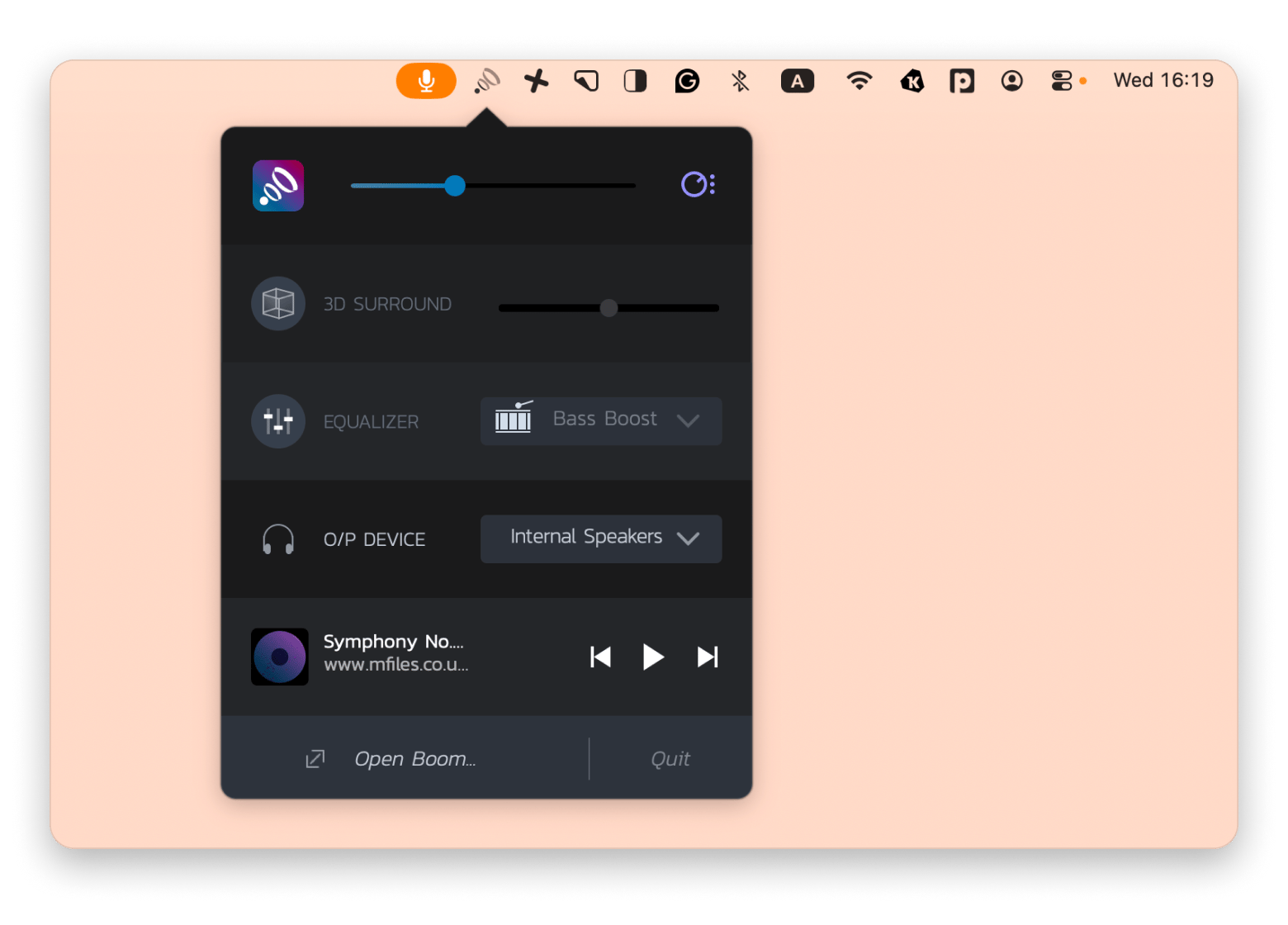
If you want to get more out of your music listening experience, there are ways to enhance your audio quality beyond the default settings. Boom 3D is an app that gives you precise control over your Mac’s audio, with advanced equalizer presets and surround sound simulation. Whether you’re using headphones or built-in speakers, it can automatically adjust for genre and environment.
For professionals and creatives, this means better focus and more immersive playback, especially during long work sessions or creative projects.
Automate iCloud Music Library backups
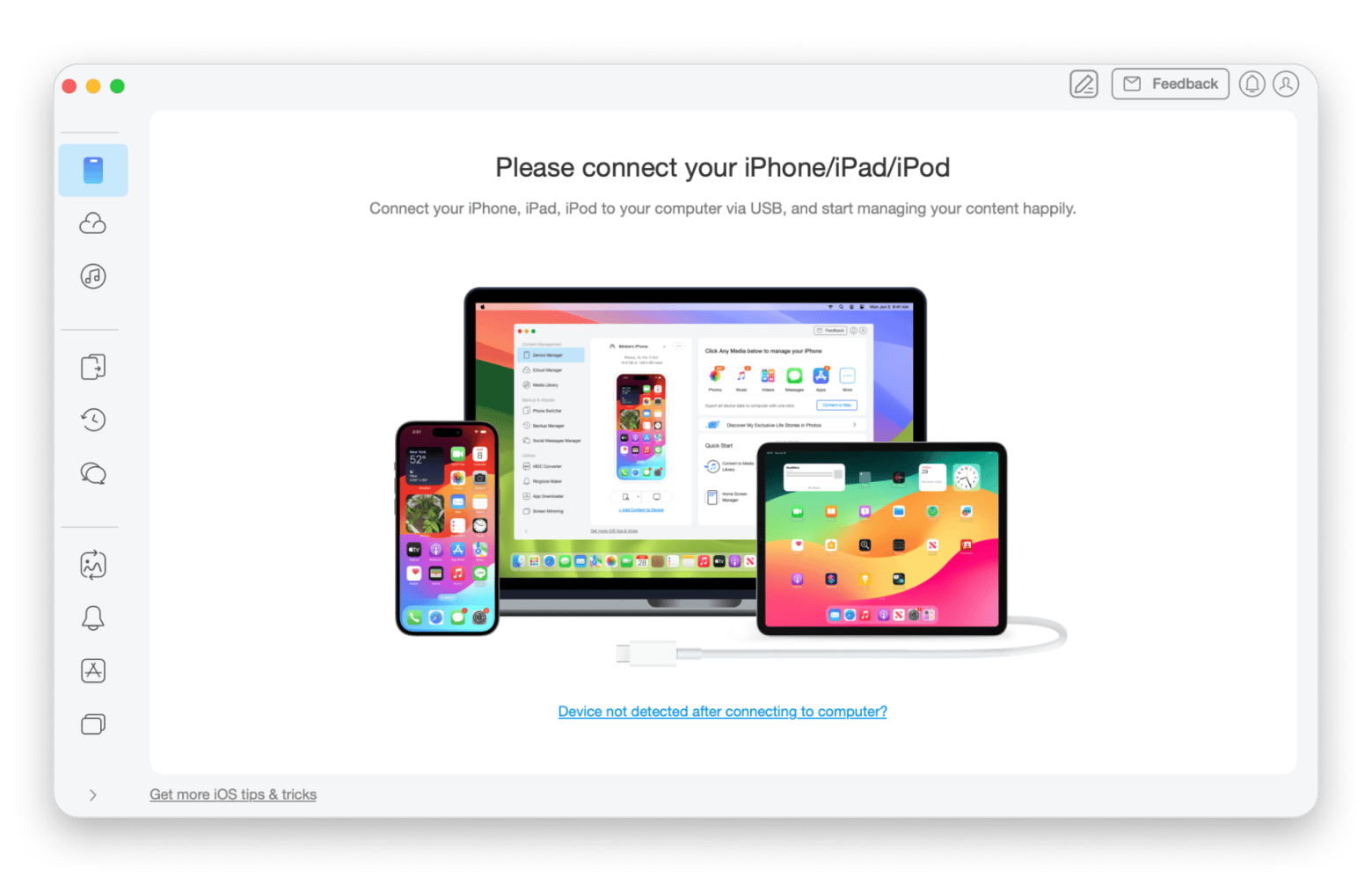
Managing iTunes or Music app backups can get confusing, especially with large libraries. I’ve found AnyTrans for iOS makes syncing and backing up your music much more straightforward. It lets you transfer music, playlists, and more between your Mac and iPhone, bypassing iCloud storage limits.
Just connect your device, open AnyTrans, and choose what you want to sync or back up. This is especially helpful for those with large music collections or who need extra peace of mind.
What is iCloud Music Library?
iCloud Music Library (now called Sync Library) is Apple’s cloud locker for up to 100,000 of your own songs. When you subscribe toApple Music, Apple matches or uploads every track and lets you stream or download it on up to ten devices.
It’s essentially your entire music collection stored in iCloud — a cloud-based repository that matches your tracks with iTunes Store versions and lets you download or stream them on any registered device, including the latest macOS and iOS devices.
Cloud music library: Final words
iCloud Music Library gives you access to your entire collection wherever you go, but having the right tools makes the experience even better.
If you have a large music collection that you want to access across all your devices,AnyTrans for iOS andBoom 3D can really improve your experience. Both apps are available throughSetapp, which gives you access to a curated collection of top-quality Mac and iOS apps under one subscription.
FAQ
How do I turn on Sync Library on my iPhone or iPad?
To turn on Senc Library:
Open Settings > Apps > Music.
Turn on Sync Library. If asked, confirm your Apple Account.
Open the Music app; your songs will start to appear in a few minutes.
Tip: Keep the device plugged in and on Wi-Fi for the fastest first sync.
Is iCloud Music Library free?
The feature isn’t free. An Apple Music subscription starts at $10.99/month. Once you have one, storing and streaming your matched or uploaded tracks costs nothing extra.
Does iCloud Music Library count against my iCloud storage plan?
No. Apple stores up to 100,000 matched or uploaded songs for you, and they do not eat into the gigabytes of iCloud Drive or Photos storage you pay for.






 Best solution
 Best solution