Plan marketing before launch.
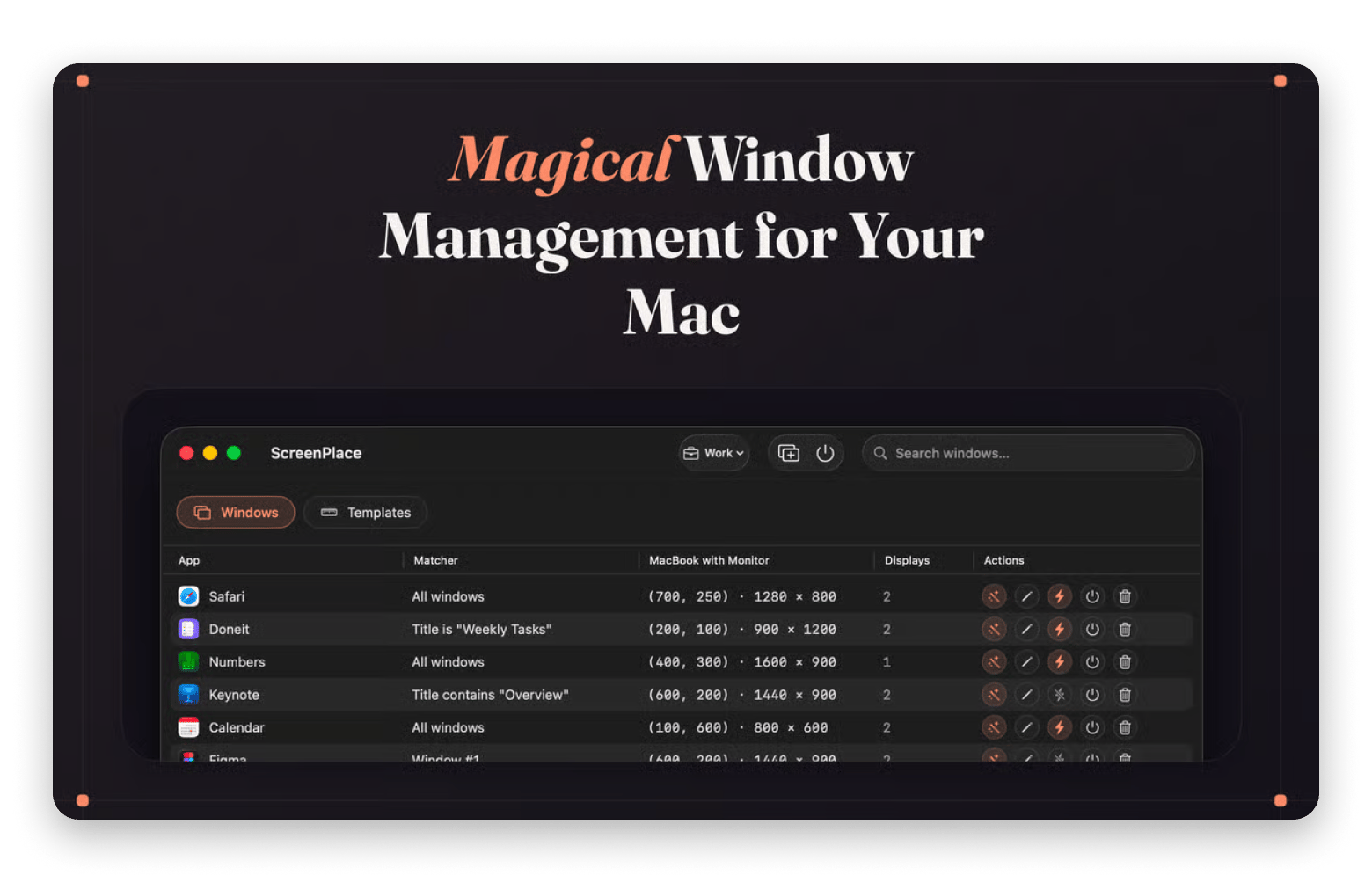
Pick two or three channels while you're still in TestFlight and collect an early email list, a lesson the ScreenPlace developer learned after release.
Validate demand, then go deep on one channel.
The maker of MacPulse and Taphouse found audiences rarely transfer between apps, and the StreamWriter Studio developer backs getting in front of communities that already care.
Measure lightly and respect privacy.
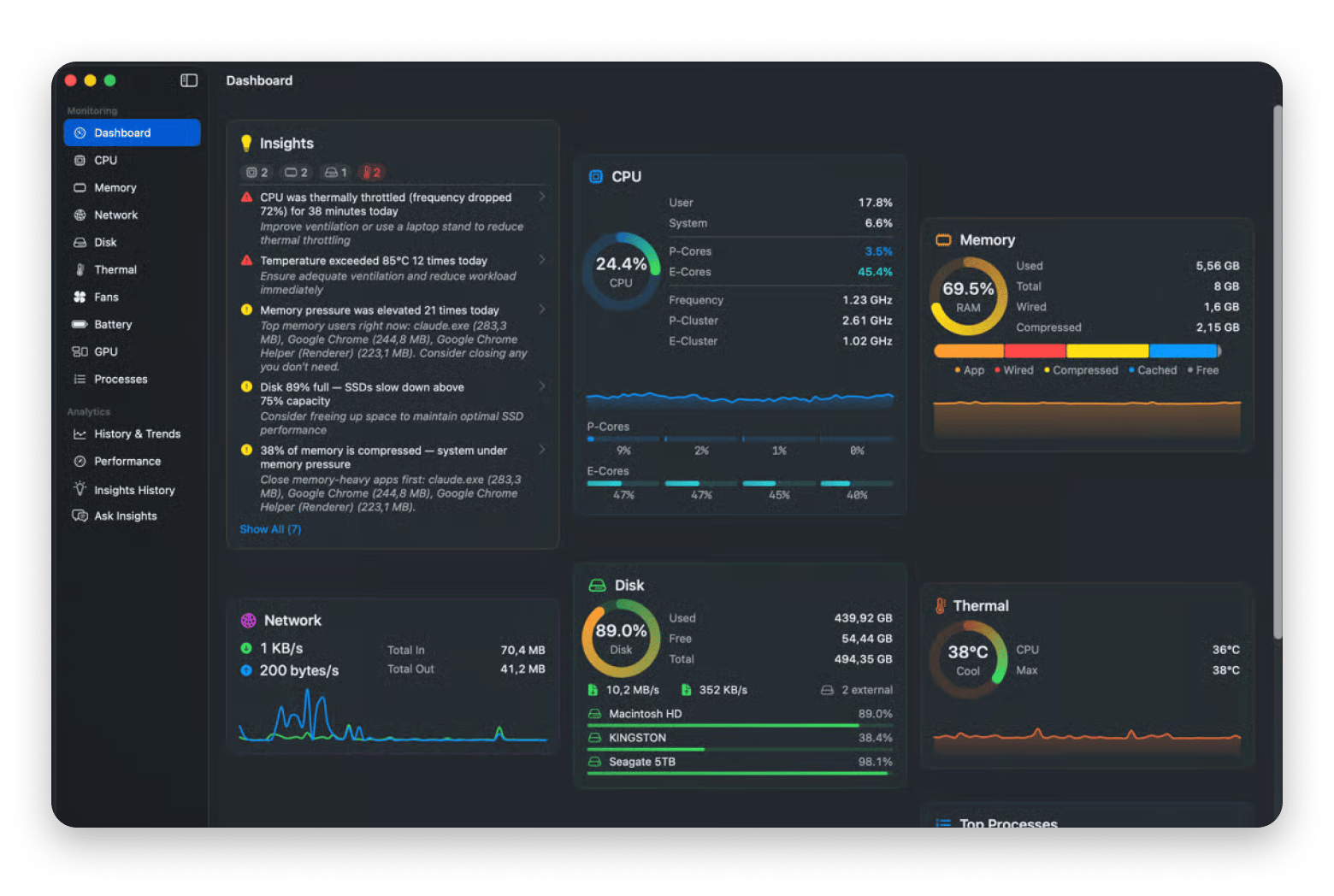
An optional anonymous usage report with an off switch, as in TickerNotch, shows installs and channels without personal data.
Distribute where users already pay.
Setapp puts your app in front of Mac users who already pay for software. See how distributing on Setapp works.
Most developers I talk to could spend an entire evening arguing about state management or memory leaks.
Give them code, and they are unstoppable. Yet when it comes to getting people to actually use what they built, everything stalls. Months spent perfecting features end with an App Store submission and absolute silence. Here are seven app marketing mistakes indie developers make, and what to do instead.
Mistake
What to do instead
Marketing only after launch
Pick channels in TestFlight
Building without demand check
Validate demand first
Scattered channels
Go deep on one channel
Blind or invasive analytics
Anonymous opt-out usage data
Weak website
Simple landing page
Ignoring word of mouth
Add a shareable moment
Familiar channels only
Evaluate platforms like Setapp
Why does this happen to smart engineers?
Engineering and marketing run on opposite logic:
Different rules. Engineering has strict rules to follow. Marketing means testing in public, and results take time.
Different skills. You spent years learning Swift, not landing page copy or audience building.
Different timing. Many founders leave marketing until the last minute.
Your product rarely fails because of bad code. It fails because nobody planned how people would ever find it.
The 7 app marketing mistakes indie developers make
Reading founder stories on the Setapp Tech Talks blog, I noticed the same patterns again and again. The most common app marketing mistakes indie developers make are treating marketing as a post-launch task, building without checking demand, spreading across too many channels, running no analytics or invasive ones, underestimating the website, ignoring word of mouth, and distributing only where it feels familiar. Each one is fixable before launch.
Mistake 1: Treating marketing as a post-launch task
Too many indie developers write the final commit, submit to the store, and only then ask, "How do I tell people about my app?"
By that point, initial launch momentum is lost. Learning how to market a Mac app while fixing bugs only adds stress. Daniils Minonoks, founder of DesignTech and creator of ScreenPlace, ran into this issue:
"If there's one thing I'd tell myself before starting ScreenPlace, it's this: understanding how you'll market an app is worth figuring out before you start building it, not after. I didn't think much about marketing while I was building, and the first few weeks after release were a real crash course."
Treat your launch like a sprint. Pick two or three channels while your app is still in TestFlight, Apple's beta testing platform. Talk to people in those communities, see how people react to your pitch, and gather an early email list. When the app goes live, you will have a group ready to install it.
Mistake 2: Building for yourself without checking the market
Solving your problem can lead to two traps. You end up with a utility only three people need, or you clone something that already has 50 competitors.
Martin Höller, founder of Blue Banana Software and creator of In Your Face, says:
"The bigger mistake I see all the time isn't bad code – it's sameness. People build yet another copy of an existing app. The classic example is, 'I couldn't find a habit tracker that fit my needs, so I built my own.' The result is often just the 501st habit tracker that looks and works like the other 500."
Validate demand first. Check community discussions, review forums, and feedback boards for frustrated users. Spotting the same annoyance over and over, like an awkward workflow or a missing feature, gives you the exact gap to build around.
Mistake 3: Betting on scattered channels instead of going deep on one
Spreading yourself thin across five networks, product directories, and micro-ads feels like hard work, but it rarely moves the needle.
Daniils tested several channels and let his analytics decide which ones stayed:
"I've been testing directories, sponsoring a few websites and newsletters, and running SEO. Some of the directories and sponsorships have already produced very good results. SEO, on the other hand, made almost no difference – based on my analytics, only a handful of visits came from search engines."
What works for one app can fail for another. Athanasios Chonias, founder of Multimodal Solutions and maker of Mac apps like MacPulse, found that traction rarely carries over across products:
"Reddit drives most traffic – the communities around Homebrew, retro gaming, and orthodox file managers are small but extremely high-intent. Taphouse is the exception, where press did the heavy lifting. The surprise for me was how little the channels transfer: an audience for one app almost never converts into an audience for another, even with all four in my email signature."
André Lobach, maker of StreamWriter Studio, also stresses the importance of reaching communities that already care about the problem:
"My advice for developers just starting out: get your app in front of the communities that already care about the problem you're solving. One good post in the right place can do more than a lot of scattered effort."
What to do instead:
Show up where your potential users already hang out. If it is a developer app, join active subreddits or developer servers. If it is a general productivity tool, focus on a solid Product Hunt release and pitch tech writers.
Stick with one channel until it generates steady downloads. Only then start testing the next one.
Mistake 4: Shipping with no analytics or invasive ones
Analytics mistakes usually go one of two ways. You either work blindly with zero telemetry or upset privacy-conscious users with tracking SDKs.
The developer behind TickerNotch ran into this dilemma:
"I respected user privacy 100%, and it made me blind. TickerNotch launched with no analytics at all, no telemetry, no account, nothing. I was proud of that, and I still think the instinct was right. But it meant I had no idea how many people had actually installed the app, whether they kept using it, or which channel had brought them. I was judging launches and even ad spend on guesses. [...] The fix was a middle ground: an optional daily usage report with nothing personal in it [...] under a random ID that one switch deletes. The lesson is that privacy and measurement are not opposites."
You don't need a mountain of data to figure out what to build next. Keep it simple: check how many people regularly open your app and see which channels bring them in. Tell people clearly what you measure on day one, and give them a switch in settings to shut it off completely.
Mistake 5: Underestimating your website and overrating directory listings
Software directories can bring a quick traffic spike, but a solid Mac app marketing strategy needs a dedicated website that converts visitors from forums, press mentions, and word of mouth.
What to do instead:
Ship a simple landing page before your public launch. Describe your product in a single straightforward line, specify who it helps, and show the interface in action.
Skip long essays. A 15-second preview of the workflow shows value faster than screenshots or heavy paragraphs. To record it, CleanShot X captures the screen as a video or GIF and lets you edit it before you share it.
Mistake 6: Ignoring word of mouth
Buying ads and dropping links feels like fast progress, but that is one of the classic indie app growth mistakes. It distracts you from genuine organic traction. Word of mouth often outperforms paid promotion for niche Mac apps. If the app actually fixes a real headache, users will bring their friends along naturally.
Martin Höller, creator of In Your Face, watched this dynamic spread naturally across offices:
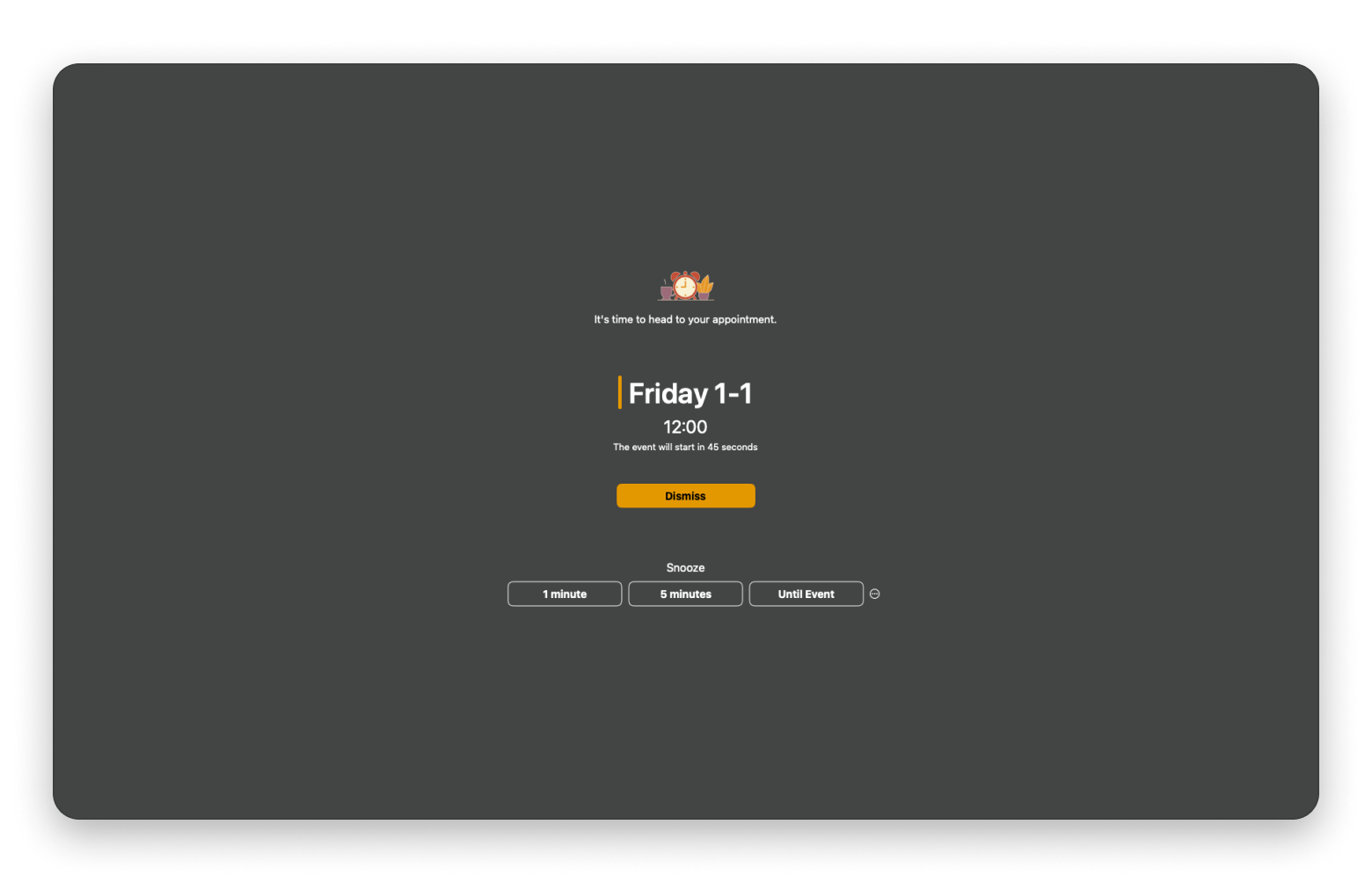
"For In Your Face, word of mouth is incredibly important. A typical scenario is that someone in a company starts using it, suddenly stops missing meetings, and their colleagues notice and ask what they're using. That's been one of the strongest growth drivers for me."
What to do instead:
Build an obvious trigger into your workflow that makes someone say, "I have to show this to someone."
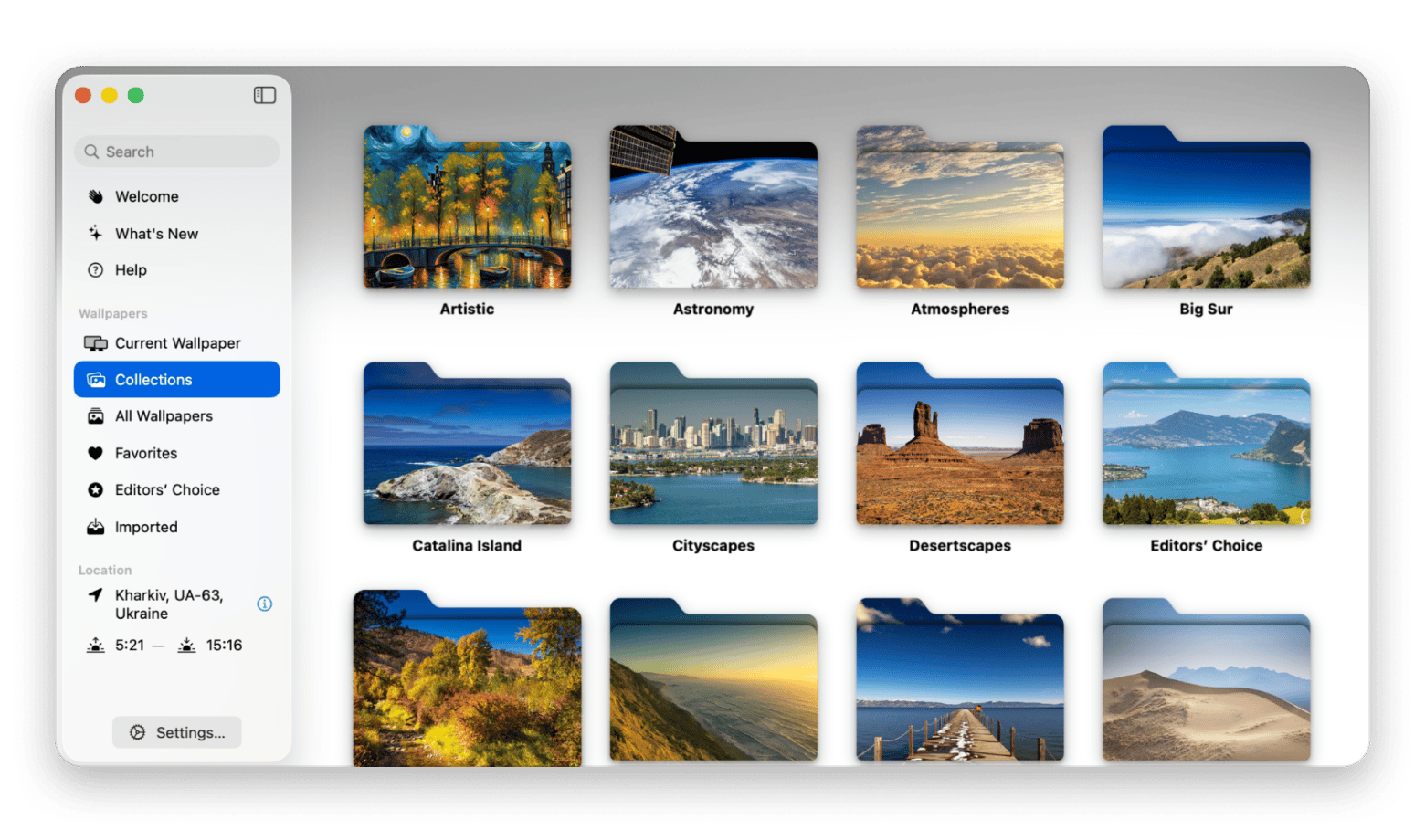
For In Your Face, that moment hits when a chronically late teammate starts showing up on time. For an app like 24 Hour Wallpaper, it happens the moment a coworker glances at your monitor. Spot the moment your product saves someone time, and remove any friction around sharing it.
Mistake 7: Distributing only where it's familiar, not where your users are
Most indie developers upload their build to the Mac App Store or sell through their own website. But default routes can leave a new app buried in search results. Alternative platforms put it in front of people who already pay for software.
The developer behind TickerNotch experienced this dynamic:
"Adding TickerNotch to Setapp seemed perfectly natural to me, as I had been a Setapp subscriber myself for almost a year before any of this [...] Setapp users are exactly the people who already pay for good Mac software, and a listing puts the app in front of them without asking them to trust a new developer's website."
Daniils, creator of ScreenPlace, found that the operational side was just as straightforward:
"I really like distributing ScreenPlace on Setapp because once I integrated the framework into the app, everything else is just so effortless. Submitting a new build takes no time, and the review process is very efficient."
What to do instead:
Find places where your potential users already spend money.
Setapp is a subscription platform with 300+ Mac, iOS, and web apps, and its subscribers already pay a flat fee for them. They know the brand, so you don't have to convince anyone to type credit card details into an unfamiliar website.
Setapp gives you two ways in. With Setapp Membership, your app joins a catalog that subscribers already pay for, and you earn a share of 70% of revenue based on how much your app is used, plus a 20% partner fee for subscribers you bring (up to 90% in total). Charlie Monroe, who makes Downie, says Setapp's Partner Program more than doubled his sign-ups. With Single-App on Setapp Marketplace, people buy your app on its own. Setapp takes 15% of subscription sales and 25% of one-time sales. That's how ScreenPlace and TickerNotch are sold.
Evaluate platforms like Setapp early on alongside direct sales and the App Store.
How to think about app marketing as an indie developer
Indie Mac apps do not follow a fixed rulebook for growth.
The founders mentioned above found traction through completely separate routes. Daniils relied on niche sponsorships and curated directories. Martin leaned on word of mouth between colleagues. Athanasios concentrated on niche subreddits and tech press outreach. Each of them tried channels that didn't work and adjusted along the way.
What unites their stories is simple: they tested, measured, and kept the channels that worked.
Growing an audience is a slow burn. Platforms like Setapp help by putting your software directly in front of Mac users who already pay for quality tools. If you want distribution beyond default app stores, take a look at how to become a Setapp developer. If you want to see what steady Setapp income looks like for an indie developer, Daniel Alm's story about Timing is worth bookmarking.
Building a Mac app people can't find? Put it where subscribers already pay. Single-App listings get a 24-hour review, and Setapp handles billing, licensing, and taxes. Get your app listed or read how Single-App works.
FAQ
How do indie developers market apps with no budget?
Join the communities where people already discuss the problem your app solves, then show the app in action with a short screen recording or a simple website. TestFlight lets early testers try a build before launch, so you can collect feedback without spending anything.
Is Product Hunt still worth it for Mac app launches in 2026?
It depends on your goal. Product Hunt can send a burst of visitors and early feedback, but a launch-day spike rarely turns into loyal daily users. Steady effort in one channel, direct outreach, and content usually pays off longer.
What analytics should indie developers track without invading user privacy?
Track where people find your app, how many active installs you have, and how many stay after the first week. None of this needs personal details. Use a random ID for usage reports, and add a settings switch that turns tracking off completely.
How does Setapp compare to the Mac App Store for indie developer distribution?
The Mac App Store is crowded, so a new app can sink in search results. Setapp Membership puts your app in front of subscribers who already pay for Mac software, and developers earn a share of revenue based on usage. You can also sell standalone through Single-App on Setapp Marketplace.
What's the biggest app marketing mistake developers make at launch?
The biggest mistake is treating marketing as a post-launch task. Developers who get traction talk to early adopters before writing code, share unpolished builds in TestFlight, and build relationships in their target communities weeks before launch.






 Best solution
 Best solution